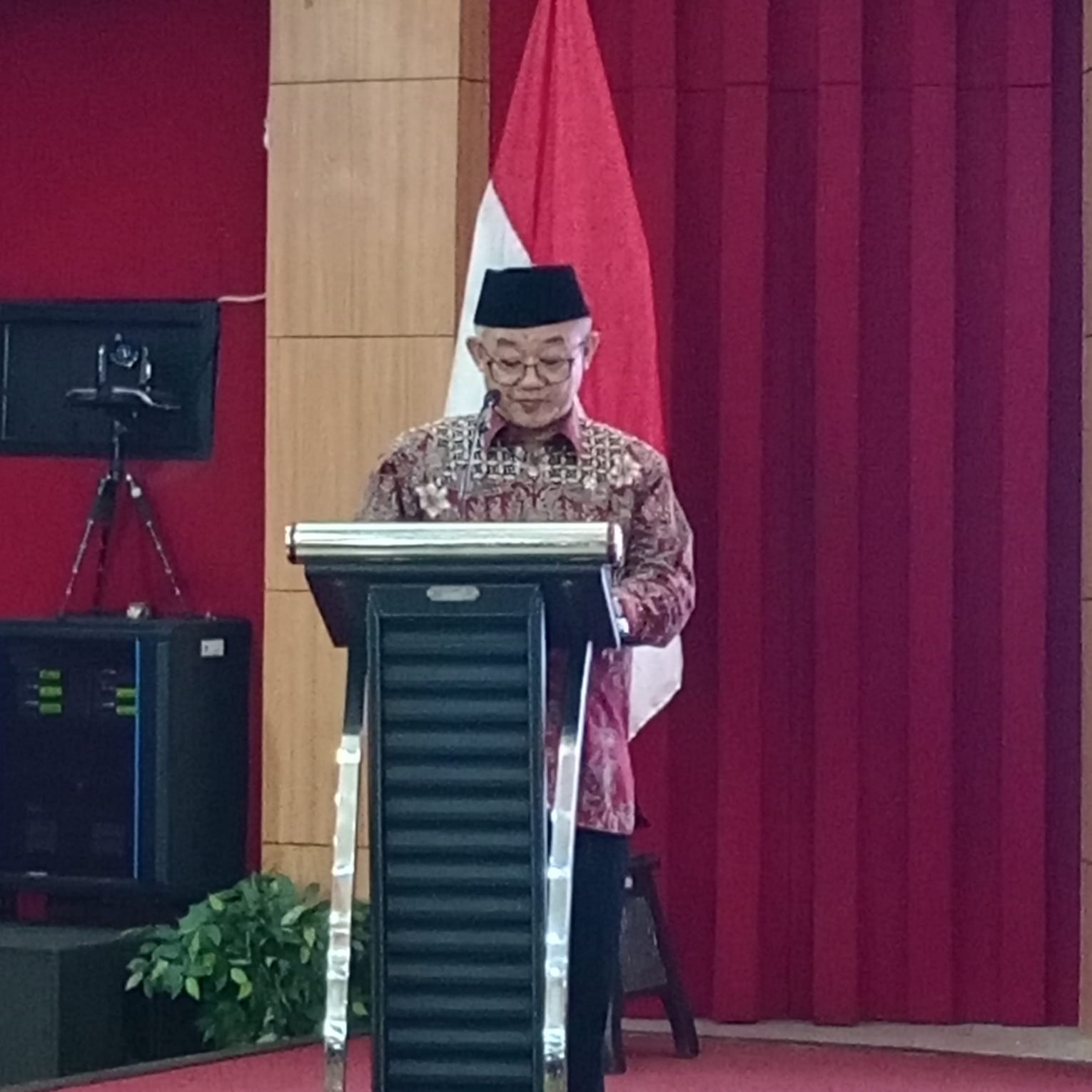
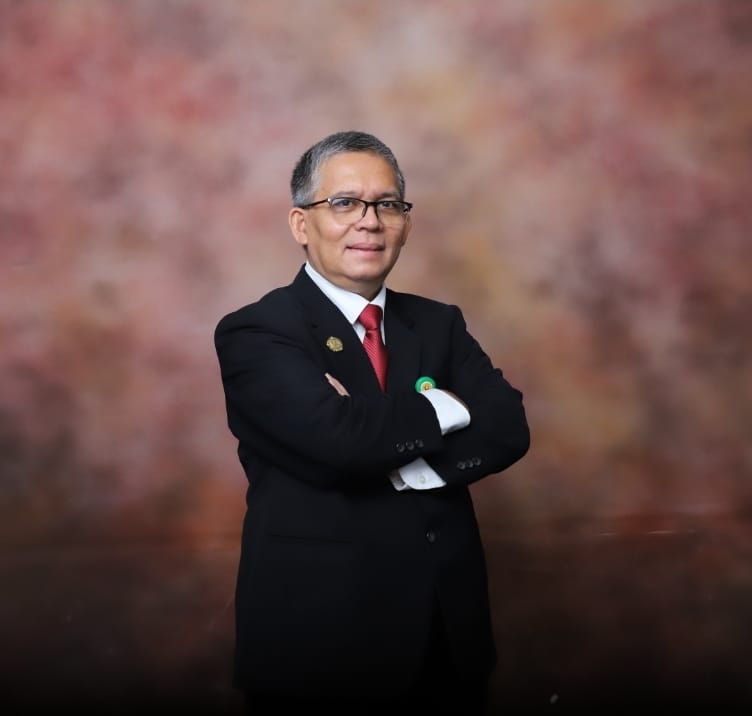
Minister of Primary and Secondary Education Abdul Mu’ti, accompanied by UPNVJ Rector Anter Venus and the Coordinator of the UTBK SNBT Center at UPNVJ, Fajar Nugroho, during an inspection of the UTBK SNBT implementation at UPNVJ, Wednesday (April 29, 2026 ). (Photo: Indah)
Enviro News Asia, Jakarta — That Wednesday morning, the atmosphere at the Universitas Pembangunan Nasional “Veteran” Jakarta campus felt different from usual. A delegation of officials moved through the gates of the Dr. Soetomo Building, not for lectures, not for an ordinary meeting, but to ensure that the fates of thousands of young Indonesians were being decided fairly behind computer screens. Minister of Primary and Secondary Education Prof. Dr. Abdul Mu’ti, M.Ed., arrived in person to inspect the implementation of the 2026 UTBK SNBT, nine days after the prestigious examination had begun at the campus. It was a signal that the government had no intention of simply waiting for reports from a desk. In the briefing room, UTBK SNBT Coordinator at UPNVJ Fajar Nugroho laid out the vast machinery operating behind the examination. It was far more than questions and computers. “The implementation of UTBK SNBT at UPNVJ is supported by cross-unit coordination — from room supervisors, information technology teams, and administrative staff, to security personnel and health services,” Fajar explained to the Minister and his delegation. Every cog turned toward a single purpose: participants arrive anxious, but leave with composure once the test is done. Having absorbed the briefing, Mu’ti walked the corridors of the Dr. Soetomo Building, peering directly into examination rooms that were in use or had just been vacated. He then stood before the first-session participants who had just emerged — young faces wearing a mixture of relief and lingering worry. To them, the minister said nothing of scores or rankings. “You have given your best. Now it is time to relax. God willing, your efforts will be assessed objectively and the results announced on schedule,” he said, quietly but firmly. Mu’ti, it seemed, wanted to convey something far deeper than a scheduling announcement. To him, UTBK SNBT is not merely a gateway to university — it is a mirror of the self. The examination, he stressed, builds mental fortitude, stamina, and intellectual resilience of immeasurable worth. “Being accepted into your chosen university is certainly a joy, but if you do not succeed this time, it is not the end of everything,” he said. The words drew a loud response from the crowd — as though many in the room had been waiting to hear exactly that. UPNVJ Rector Prof. Dr. Anter Venus made no effort to conceal his pride. A ministerial visit to an examination centre is no routine affair, and Venus understood its weight perfectly. “He came to ensure that the UTBK SNBT at UPNVJ is conducted in accordance with the applicable procedures, rules, and standards,” he said. But beyond prestige, Venus was emphatic that UPNVJ’s commitment reaches further than building readiness and equipment — it is a matter of accountability, of public trust that cannot be squandered. On the same day, the Chairperson of SNPMB 2026 Prof. Waras Kamdi also descended to monitor the situation firsthand — inspecting facilities, scrutinising the examination flow, and evaluating the supervisory systems in place at UPNVJ. Two high-level visits in a single day were no coincidence. It was a statement of intent: that the state university selection process is too consequential to be left running without layered oversight, from the institutional level all the way to the national committee. Public trust, once fractured, is never easily restored. (*)