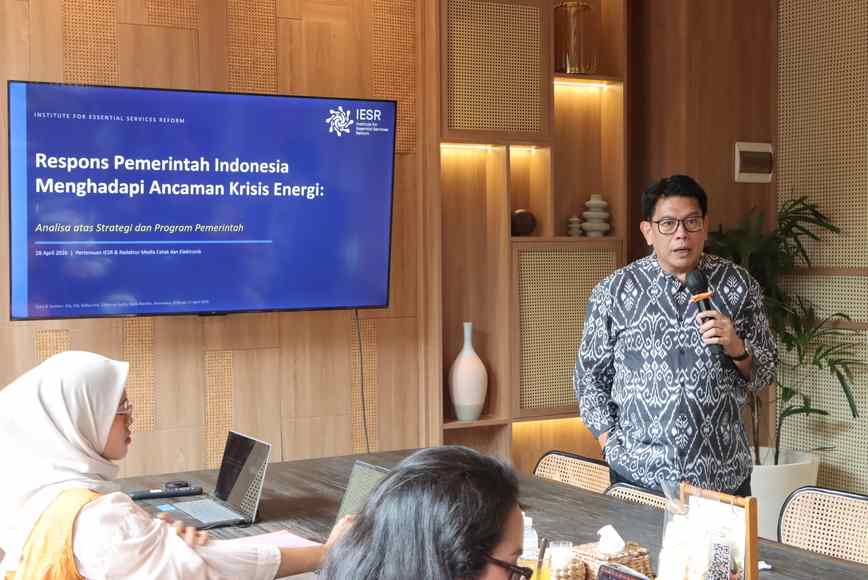
Enviro News Asia, Jakarta — Escalating geopolitical tensions in the Middle East, particularly around the Strait of Hormuz, are raising global concerns over energy security and exposing Indonesia’s continued reliance on imported fossil fuels.
As global oil prices climb and distribution risks increase, Indonesia faces mounting pressure on energy import costs, exchange rates, and fiscal stability. The situation underscores the urgency of strengthening national energy resilience.
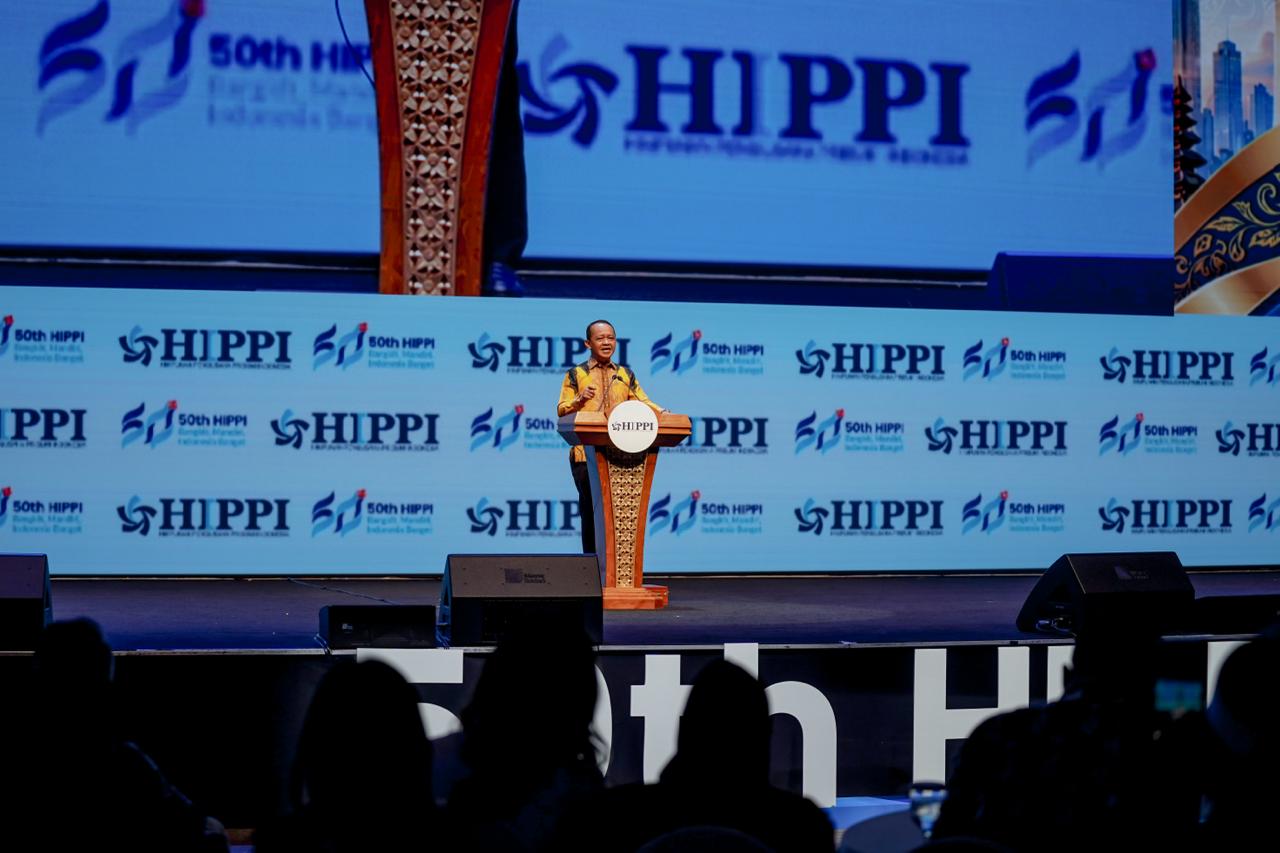
Minister of Energy and Mineral Resources Bahlil Lahadalia outlined three key strategies to maintain national energy stability amid global uncertainty. These include optimizing domestic oil and gas production (lifting), expanding biodiesel programs such as B50 to reduce diesel imports, and accelerating the development of bioethanol-based fuels like E20 for gasoline.
The government has also introduced broader energy-saving policies, including remote working arrangements for civil servants, restrictions on official vehicle usage, and increased promotion of public transportation to reduce fuel consumption.
In parallel, President Prabowo Subianto has instructed the acceleration of major energy transition programs. These include the development of 100 GW of solar power, conversion of diesel power plants to solar combined with battery storage systems, the transformation of 120 million conventional motorcycles into electric vehicles, and the expansion of the B50 biodiesel mandate.
However, the Institute for Essential Services Reform (IESR) has cautioned that while several policies are directionally sound, others require refinement to ensure feasibility and long-term impact.
IESR strongly supports the solar power expansion plan, citing Indonesia’s vast solar potential exceeding 3,200 GWp. It recommends prioritizing the conversion of diesel-based power plants in regions such as East Nusa Tenggara, Maluku, and Papua into solar-plus-storage systems to reduce reliance on costly diesel fuel.
The institute also supports electric vehicle (EV) adoption but stresses the need for a stronger ecosystem, including charging infrastructure, regulatory frameworks, and financing mechanisms. It proposes more realistic targets of 5 million electric motorcycles and 500,000 electric cars by 2030.
On biodiesel, IESR warns that the B50 program carries fiscal risks due to higher production costs compared to conventional diesel and potential impacts on palm oil exports. It recommends maintaining B40 as a long-term standard, with B50 deployed only under high oil price conditions.
A major concern highlighted by IESR is the government’s target to convert 120 million motorcycles into electric vehicles within a short timeframe. The institute deems this unrealistic given current industrial capacity and high conversion costs. Instead, it suggests a phased approach targeting high-usage segments such as ride-hailing drivers and logistics fleets.
IESR also emphasizes that achieving full energy import independence within five years is unlikely without structural transformation. A more realistic goal would be reducing fuel imports by 40–50% by 2030 through a combination of biodiesel, EV adoption, energy efficiency, and increased domestic production.
Overall, the analysis highlights that while Indonesia is moving toward energy transition, success will depend on aligning ambitious targets with practical implementation, fiscal readiness, and ecosystem development. (*)