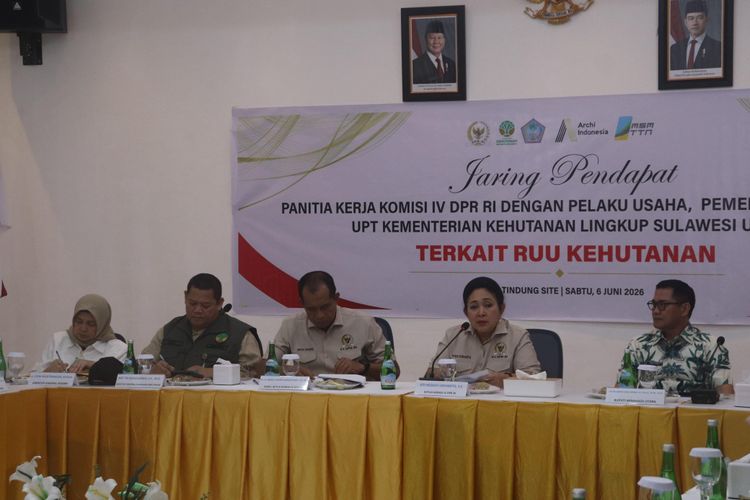
Enviro News Asia, North Sulawesi — Indonesia’s Ministry of Forestry has expressed support for a public consultation organized by the Working Committee (Panja) of the House of Representatives’ Commission IV on the proposed Fourth Amendment to Law No. 41 of 1999 on Forestry. The consultation, held in North Sulawesi on 6 June 2026, forms part of ongoing efforts to modernize Indonesia’s forestry legal framework and address increasingly complex natural resource management challenges.
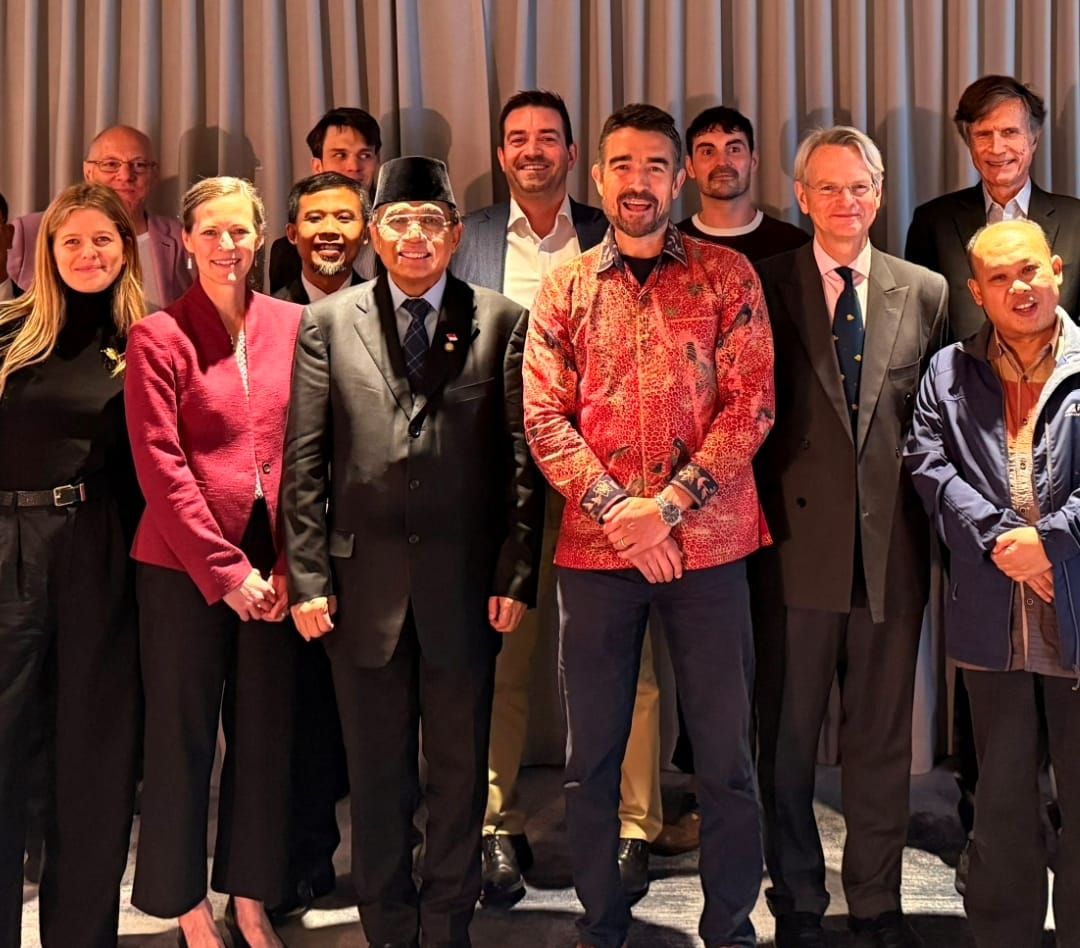
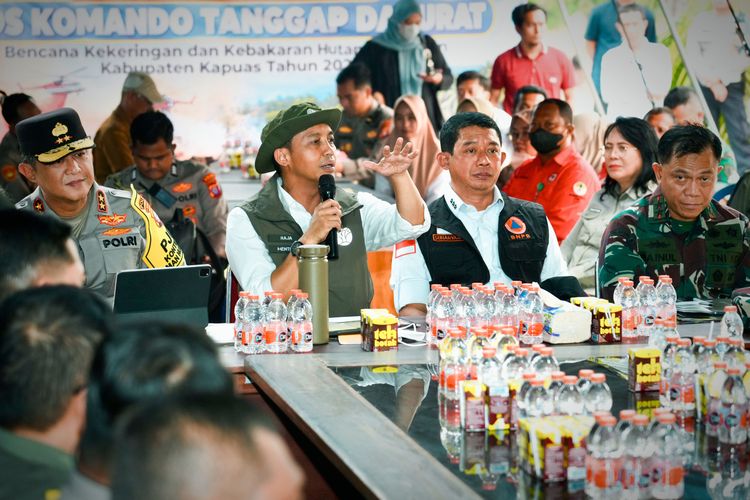
The forum brought together representatives from central and regional governments, forestry businesses, technical units of the Ministry of Forestry, and members of the Commission IV Working Committee. The consultation served as a platform for stakeholders to share field experiences, policy recommendations, and strategic perspectives to enrich the drafting process of the revised Forestry Law.
In opening remarks, representatives of the Commission IV Working Committee noted that the 1999 Forestry Law has served as the cornerstone of Indonesia’s forest governance for more than two decades. However, evolving development priorities, legal developments, social dynamics, and environmental challenges have highlighted the need for regulatory improvements to maintain a balance between ecological, economic, and socio-cultural functions of forests.
Participants discussed a range of strategic issues, including declining forest quality and coverage, ecosystem degradation, land tenure conflicts, overlapping permits, and the need for stronger integration of forestry data and information systems. The discussion also highlighted the significance of national legal developments, including Constitutional Court rulings concerning the recognition and protection of customary forests and Indigenous Peoples’ rights.
The Ministry of Forestry views the revision of the Forestry Law as a strategic opportunity to strengthen a forest governance system that is more adaptive, inclusive, and sustainable. The revised legislation is expected to provide greater legal certainty, enhance forest protection, improve the welfare of communities living in and around forest areas, and promote responsible investment practices.
Representatives from the Directorate General of Watershed Management and Forest Rehabilitation (PDASRH) and the Directorate General of Forestry Planning emphasized the importance of strengthening the role of all stakeholders, including local governments, Indigenous communities, businesses, academics, and civil society organizations, in achieving sustainable forest management.
According to ministry officials, multi-stakeholder collaboration remains essential to maintaining forests as critical life-support systems while ensuring long-term social and economic benefits.
The ministry also underlined that the regulatory reform should support Indonesia’s broader development agenda and climate commitments, particularly the achievement of the Indonesia Forestry and Other Land Use (FOLU) Net Sink 2030 target. A more responsive and forward-looking legal framework is considered vital for safeguarding Indonesia’s forests as a strategic national asset.
The consultation generated a wide range of constructive recommendations that will contribute to refining the substance of the Forestry Bill before further deliberations.
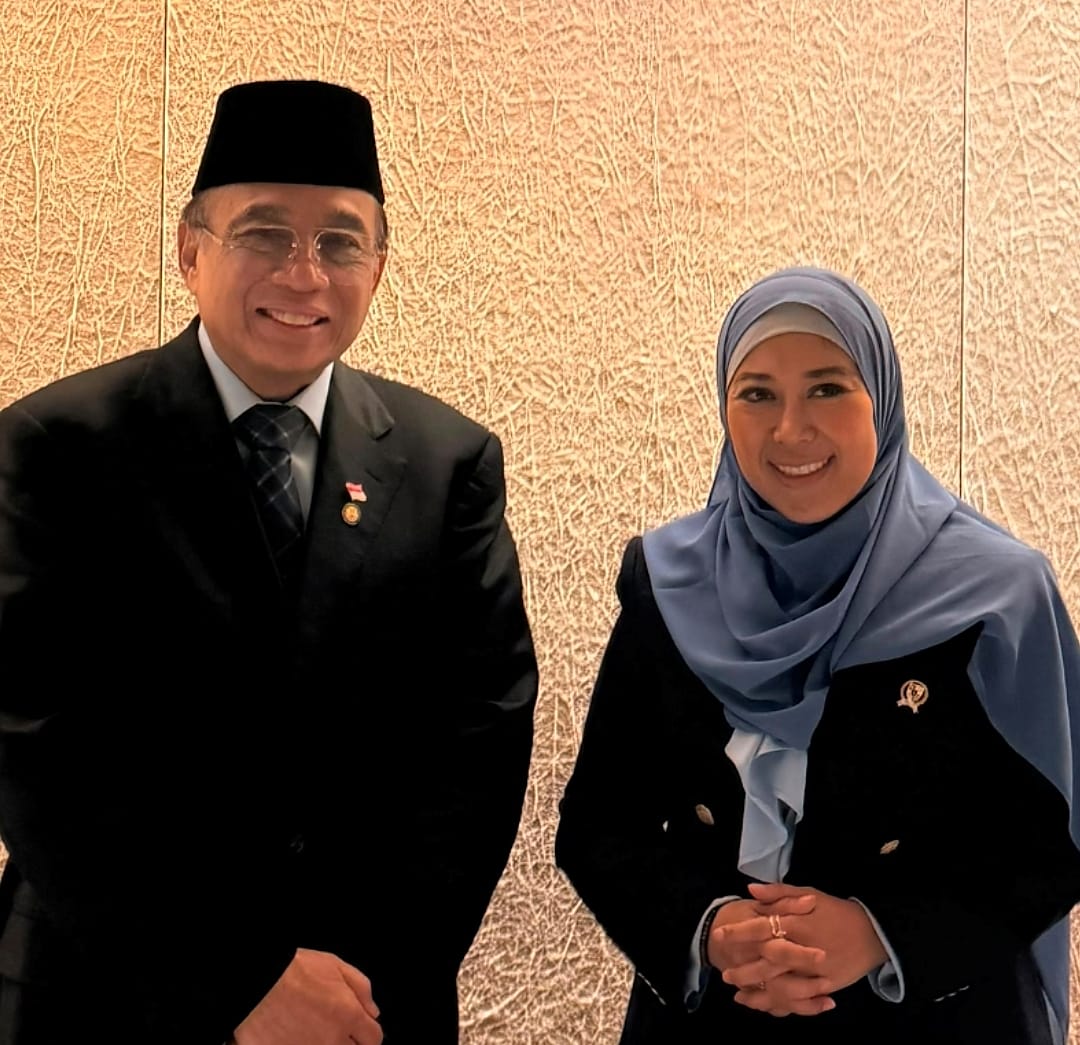
The event was attended by Commission IV Chairperson Titiek Soeharto, North Minahasa Regent Joune James Esau Ganda, North Sulawesi Police Chief Roycke Harry Langie, Director General of PDASRH Dyah Martiningsih, and Director General of Forestry Planning Ade Tri Ajikusumah, alongside representatives from provincial agencies and local governments. (*)