Enviro News Asia, Addis Ababa — Ethiopia is stepping up efforts to improve the quality of tree seeds used in its Green Legacy Initiative, the country’s flagship tree-planting programme, through a pilot training course aimed at enhancing seed procurement and strengthening forest restoration efforts.
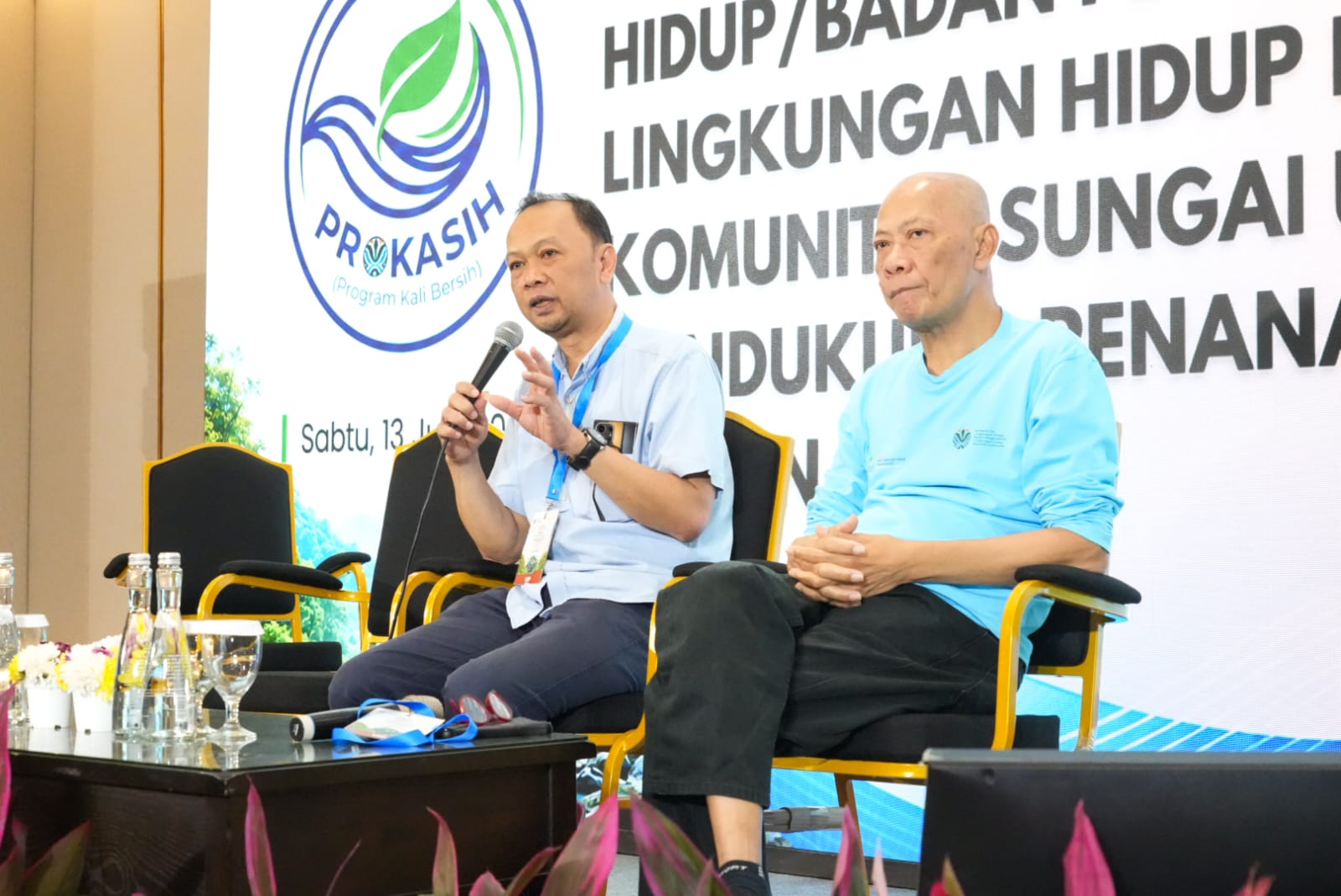
The three-day training, held from May 26 to 28, 2026, was organized by the Provision of Adequate Tree Seed Portfolios in Ethiopia project (PATSPO III) and brought together national and regional stakeholders involved in the Green Legacy Initiative. Most participants came from Ethiopian Forestry Development (EFD), while representatives from the Amhara, Oromia, and Tigray regions also attended.
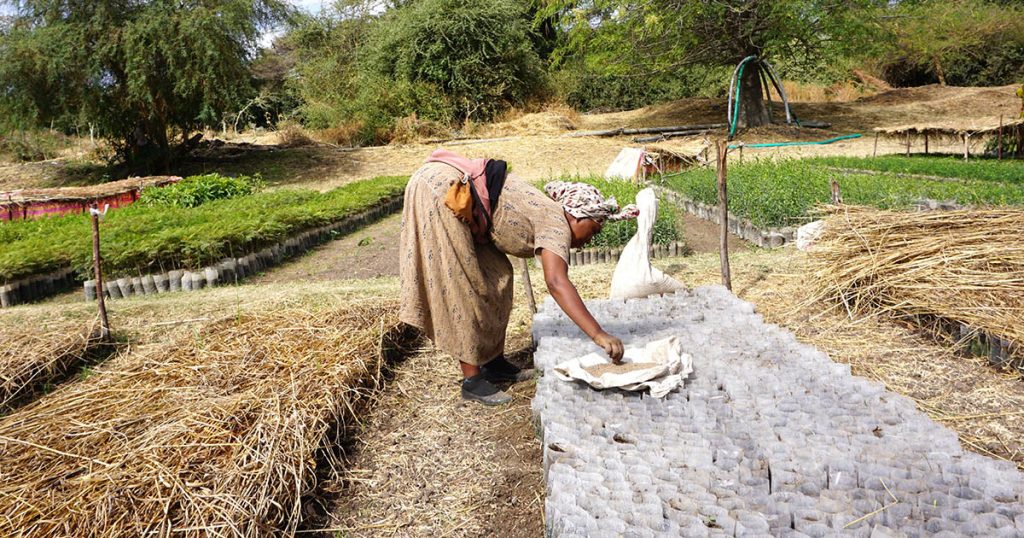
The Green Legacy Initiative, launched in 2019, forms part of Ethiopia’s strategy to build a green and climate-resilient economy. As the country’s largest tree-planting programme, it aims to produce and plant billions of seedlings each year.
PATSPO III Senior Team Leader Soren Moestrup said the pilot course was designed in response to requests from Ethiopian Forestry Development and would serve as the foundation for a more comprehensive seven-day training programme planned for several regions later this year.
During the workshop, researchers and experts highlighted persistent challenges facing Ethiopia’s tree-seed sector. PATSPO III Research Coordinator Dr. Wubalem Tadesse said poor genetic quality remains a major issue because many seeds are collected from unknown or poorly documented sources. He noted that seed quality assessments often focus only on germination rates, purity, and price, while overlooking genetic characteristics.
Wubalem attributed the problem to limited coordination among government institutions, non-governmental organizations, private seed suppliers, and community groups. He also cited insufficient technical capacity in seed collection, processing, storage, testing, and certification.
Since 2017, PATSPO has supported forest restoration programmes by identifying and registering seed sources across Ethiopia. The project has established more than 60 seed orchards and provided training to seed stakeholders and farmer seed collectors to improve seed quality and handling practices.
Participants said the training helped them better understand the importance of genetic quality in producing resilient seedlings. Emnet Wolde-Giorgis said the course changed his perception of seed quality by demonstrating that strong nursery performance alone does not guarantee success in the field.
Kidane Tadesse from the Tigray Bureau of Agriculture and Natural Resources said the training also emphasized the need for better planning to avoid seed shortages and wastage when raising seedlings.
Dr. Teshome Tamrat, a unit coordinator at Ethiopian Forestry Development, described the programme as a training-of-trainers initiative that will eventually reach regional and district levels. He said Ethiopia plans to plant between seven and eight billion seedlings annually, making seed quality a critical factor in ensuring successful restoration efforts.
Demand for quality tree seed is expected to increase as Ethiopia expands its reforestation activities. Through the Green Legacy Initiative, the country has already mobilized more than 20 million citizens and planted billions of seedlings nationwide in an effort to combat climate change and restore degraded landscapes. (*)