Enviro News Asia, Brussels — Scientists and policymakers have called for stronger investment in Africa-led research and innovation, warning that efforts to protect the Congo Basin and other Central African forests will fall short unless African institutions take a leading role in generating the knowledge required for sustainable management.
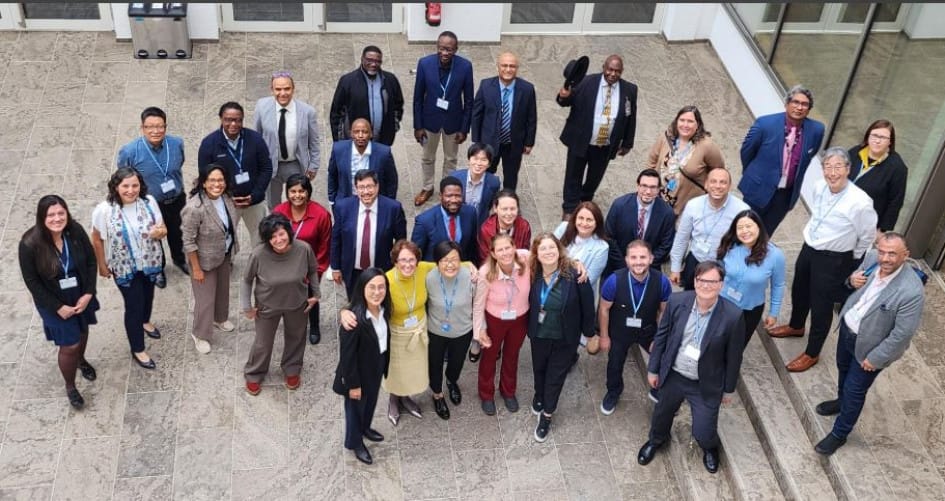
The appeal was delivered during a high-level session on advancing Africa-led research for the sustainable management of Central African forests, organized by Landscape Alliance through its European Union-funded RESSAC programme on the sidelines of the RESSAC Project Leaders Meeting and Strategic Workshop with the European Union in Brussels on 28–29 May 2026.
The meeting brought together researchers, development partners, project leaders, postdoctoral fellows, private sector representatives, and European Union officials to discuss the future of forest governance, scientific cooperation, and sustainable development amid increasing environmental and socio-economic pressures across Central Africa.
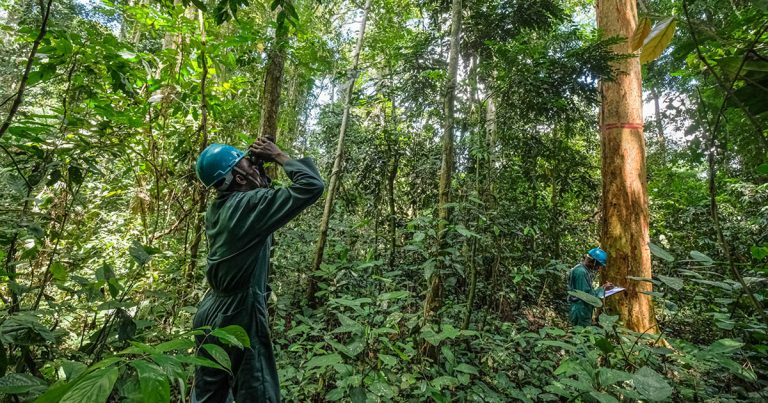
Participants highlighted the importance of the Congo Basin, which spans Cameroon, the Central African Republic, the Democratic Republic of the Congo, the Republic of the Congo, Equatorial Guinea, and Gabon. As the world’s second-largest tropical rainforest after the Amazon, the region plays a critical role in regulating the global climate, conserving biodiversity, and sustaining millions of livelihoods.However, scientists warned that deforestation, land degradation, unsustainable resource use, and climate change are intensifying pressures on these ecosystems, underscoring the need for stronger science-based solutions and local leadership in research.
Philippe Mayaux, forestry expert and former Team Leader at the European Commission’s Directorate-General for International Partnerships, emphasized that scientific knowledge accumulated through years of research must continue to guide sustainable forest management.“Building on the science, research and knowledge generated over the years will be essential to supporting the sustainable management of Central Africa’s forest ecosystems and ensuring that research continues to inform action on the ground,” Mayaux said.
Participants stressed that funding mechanisms should place African institutions at the center of research design, implementation, and leadership to ensure solutions are rooted in local realities and capable of addressing increasingly complex environmental challenges.Africa Director for Landscape Alliance, Peter Minang, said long-term investment in African expertise is indispensable to protecting the region’s forests.
“Protecting the Congo Basin and other forest landscapes across Central Africa will require long-term investment in the people and institutions that understand these ecosystems best. Strengthening African leadership in research is essential to ensuring that solutions are locally relevant, scientifically robust and capable of addressing the region’s environmental challenges,” Minang said.Discussions also highlighted the role of the RESSAC programme in bridging the gap between science, policy, and practice. Rather than supporting isolated studies, the initiative promotes collaboration among Central African scientific institutions, European research partners, and organizations involved in natural resource management.
The programme has facilitated research on forest governance, biodiversity conservation, climate resilience, and sustainable land management, while strengthening scientific cooperation across national borders.RESSAC Programme Lead at Landscape Alliance, Richard Sufo, underscored the importance of regional collaboration.“Forests do not recognise political boundaries. The solutions we develop must therefore be built through regional collaboration, shared knowledge and long-term partnerships,” Sufo said.
Participants also emphasized the need to strengthen links between scientific research and policymaking to ensure evidence-based decisions on forest governance, biodiversity protection, climate adaptation, and sustainable development.Private sector representatives noted that stronger partnerships between science and industry could promote responsible investments, sustainable value chains, and green economic opportunities for forest-dependent communities.
As international attention increasingly focuses on the role of Central African forests in addressing climate change and biodiversity loss, participants concluded that safeguarding the Congo Basin will depend not only on protecting forests but also on sustained investment in African scientific leadership, partnerships, and knowledge systems to secure these ecosystems for future generations.