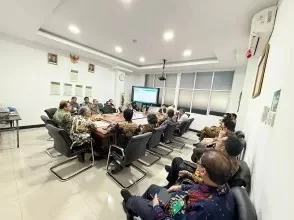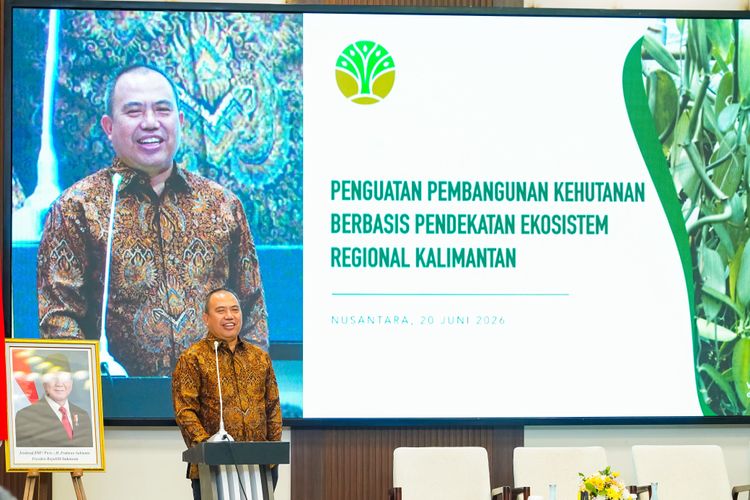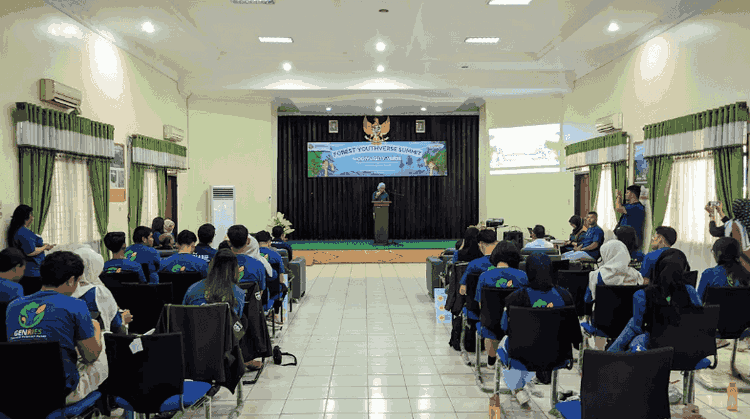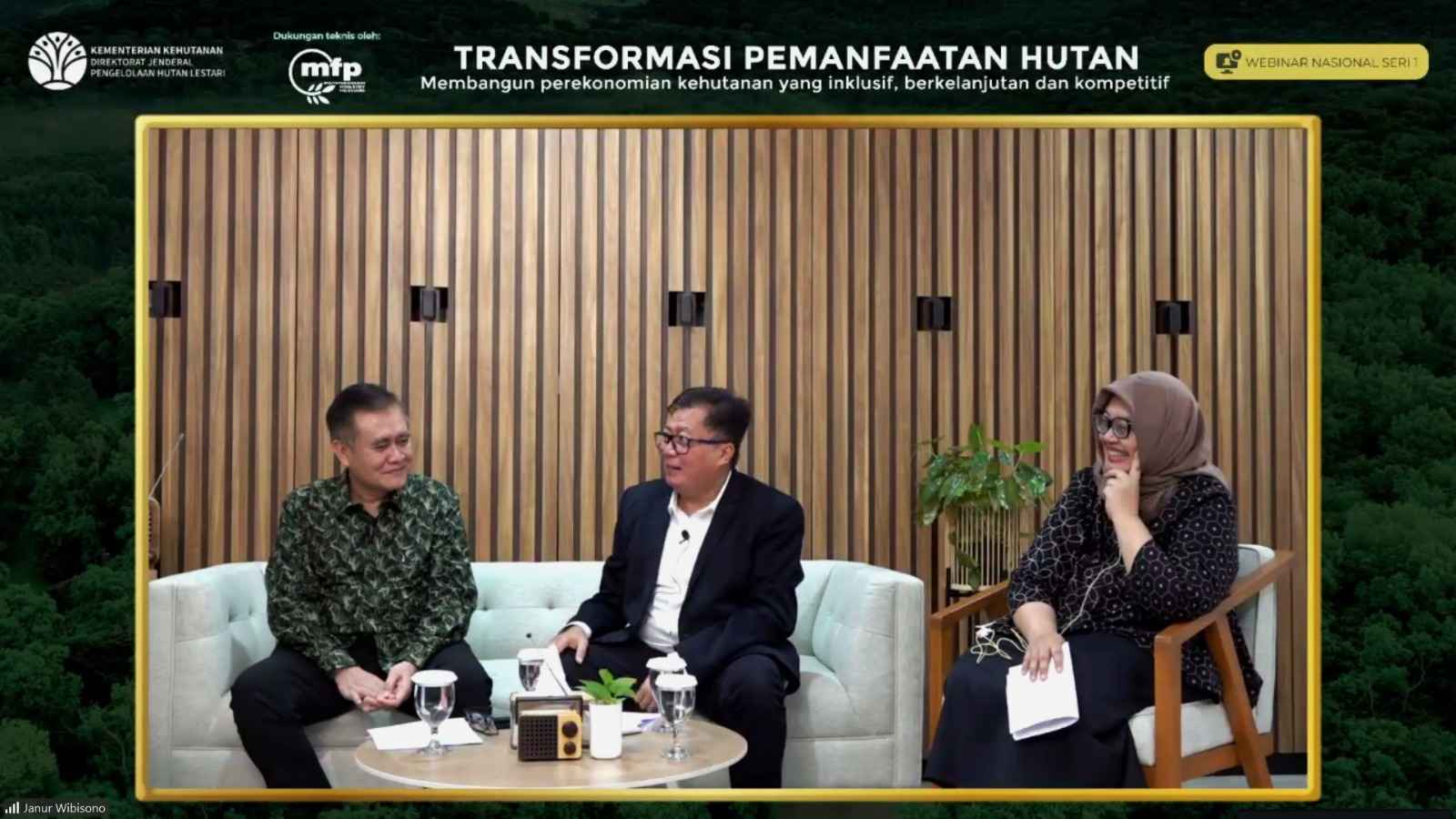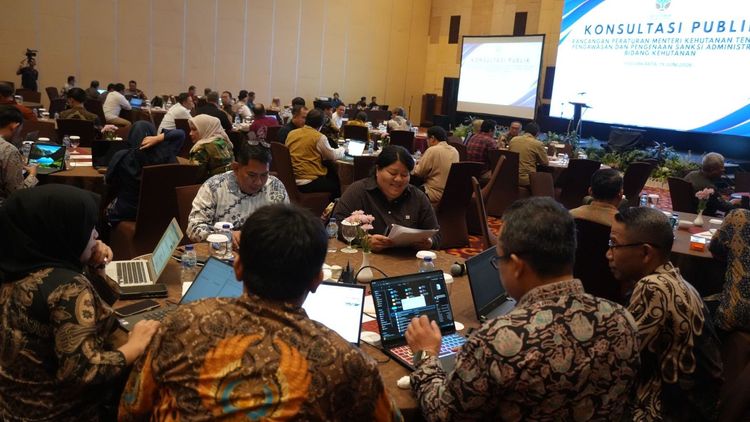
Enviro News Asia, Yogyakarta – The Directorate General of Forestry Law Enforcement (Gakkumhut) of the Ministry of Forestry held a Public Consultation Forum on the Draft Ministerial Regulation on Oversight and Administrative Sanctions in the Forestry Sector at The Alana Yogyakarta Hotel and Convention Center on Friday (6/19).
The main agenda of the meeting was to gather public input for the refinement of the Draft Ministerial Regulation (RPM) as part of efforts to strengthen the oversight and law enforcement system in the forestry sector.
Director General of Forestry Law Enforcement Dwi Januanto Nugroho said the drafting of this regulation is a direct follow-up to the mandate of Articles 272 and 290 of Government Regulation No. 23 of 2021 on Forestry Administration, as amended through Government Regulation No. 8 of 2026.
“Through this latest draft ministerial regulation, the government is committed to presenting a more responsive forest oversight mechanism as well as administrative sanction instruments that are firm, fair, and oriented toward environmental restoration,” Dwi Januanto said.
In line with this, Director of Oversight, Administrative Sanctions, and Civil Forestry Affairs Ardi Risman said active public participation is a crucial key to ensuring that the resulting regulation is both applicable and accountable.
The Ministry of Forestry received a range of inputs, suggestions, and critical notes from consultation participants, all of which will serve as material for refining the final draft of the ministerial regulation. The regulation is expected to serve as a strong and implementable instrument capable of supporting sustainable and equitable forestry management while providing legal certainty for all stakeholders and effectively protecting forest area conservation.
The forum was attended by a wide range of strategic stakeholders both in person and online, including forestry and legal academics, the Ministry of Environment, the Forest Area Control Task Force, provincial forestry agency heads, non-governmental organizations such as ICEL and COP, and a number of forestry sector business associations including APHI, APKINDO, GAPKI, ASMINDO, and APBI. (*)