Enviro News Asia, Paris – UNESCO and the OSCE Representative on Freedom of the Media have launched a new global resource for journalists covering environmental stories, releasing “Reporting the Environment: A Practical Manual for Journalists” on World Environment Day as disinformation, greenwashing, and threats against environmental reporters continue to mount.
The manual arrives at a moment when environmental journalism is simultaneously more necessary and more hazardous than ever. Climate change, biodiversity loss, and pollution have moved beyond the realm of science reporting to shape public debates on health, food, water, housing, migration, jobs, security, and governance.
“The challenge today is not only environmental change. It is ensuring that people have access to reliable information about that change. Environmental journalism sits at the intersection of both,” said UNESCO Assistant Director-General for Communication and Information Mariya Gabriel.
The publication warns that the information environment is growing increasingly complex, with AI-generated content, greenwashing, and attacks on evidence-based science fueling mistrust. OSCE Representative on Freedom of the Media Ambassador Jan Braathu said societies lose one of their most important sources of accountability when environmental journalists are unable to report freely and safely.
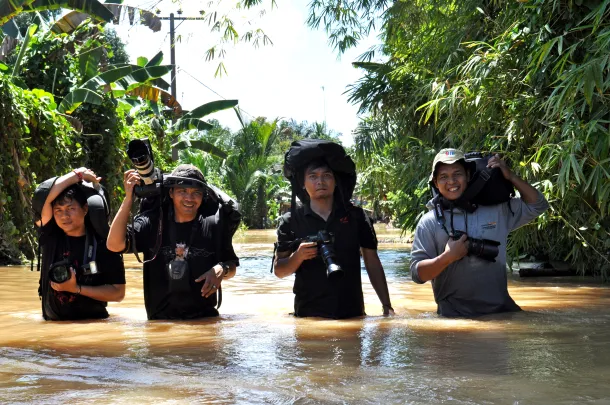
The risks are significant. UNESCO’s World Trends Report highlights that at least 749 journalists, media outlets, and reporting teams covering environmental issues were attacked in 89 countries between 2009 and 2023, and at least 46 environmental journalists have been killed since 2010, as large economic and political interests tied to energy, land, mining, and logging frequently come into play.
The manual, drawing on contributions from leading experts and practitioners, addresses challenges journalists face daily, including misinformation and disinformation, false balance, digital security, legal threats, source protection, solutions reporting, and the growing influence of AI. It also tackles one of the biggest questions facing newsrooms: how to report on environmental crises without overwhelming and disengaging audiences.
The launch was accompanied by the webinar “Santa Marta and the Future of Climate Journalism,” co-organized by UNESCO and Covering Climate Now, bringing together journalists, editors, and media trainers from different regions to discuss information integrity, audience engagement, and the evolving role of environmental journalism. The manual forms part of UNESCO’s Series on Journalism Education and will be complemented by a handbook for journalism educators. (*)