Enviro News Asia, Jakarta — Indonesia’s National Research and Innovation Agency (BRIN) is promoting the utilization of the country’s rich biodiversity through research and innovation to strengthen food security, healthcare, energy resilience, and biomaterial-based industries while supporting evidence-based policymaking.
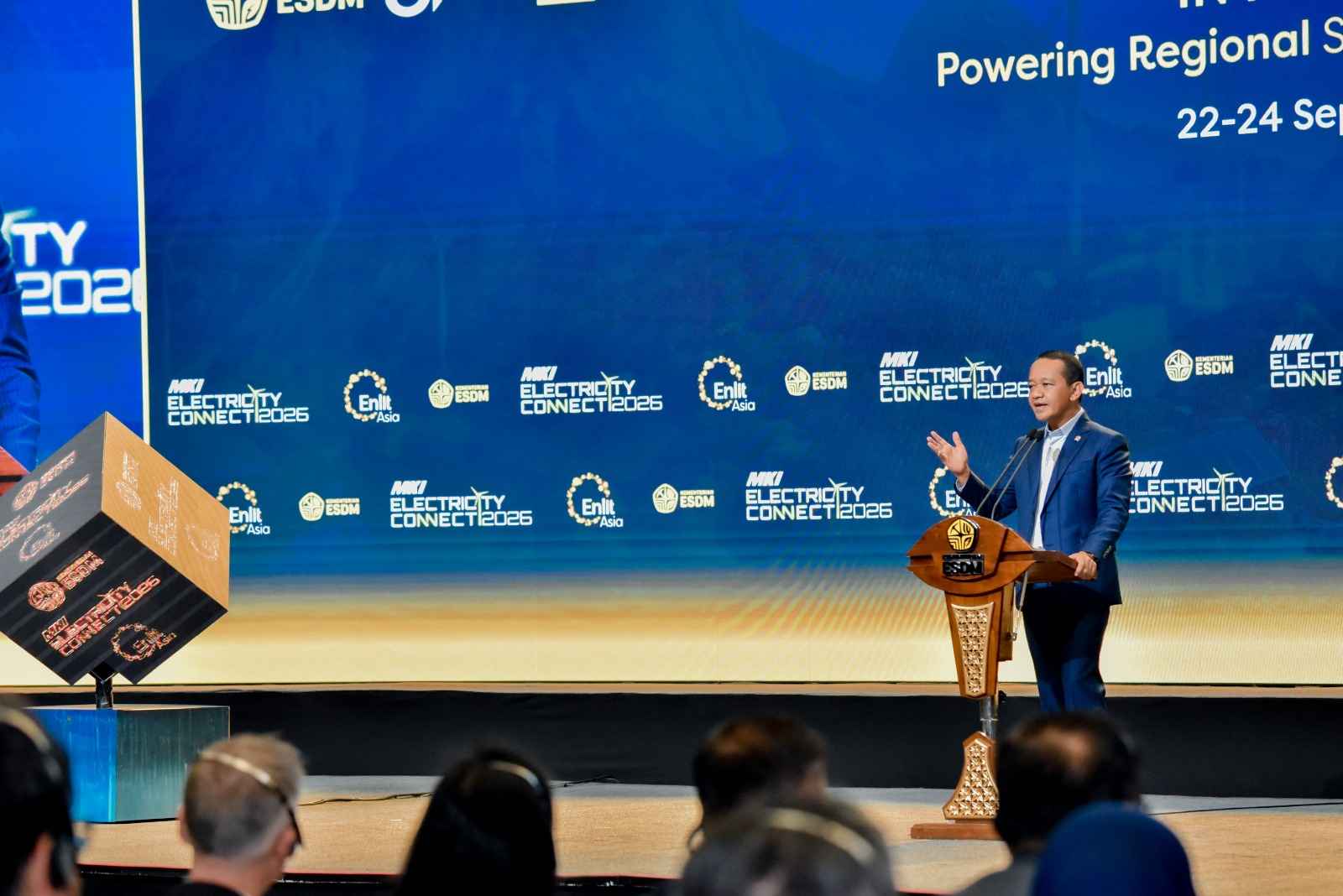
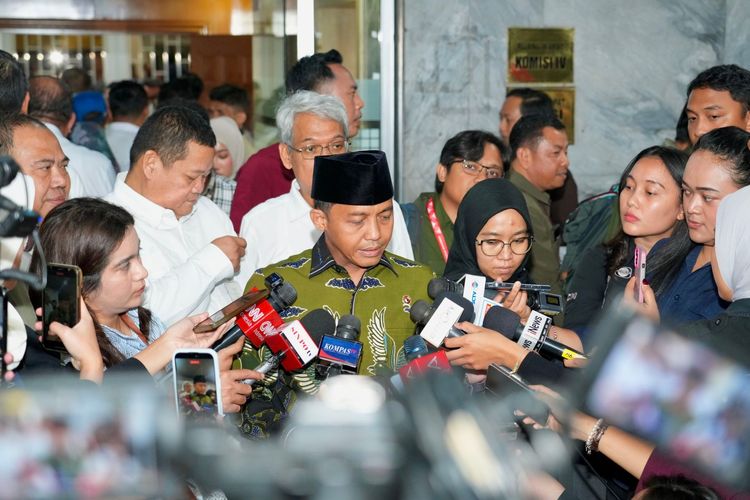
BRIN Chair Arif Satria delivered the statement during the launch of four Indonesia Biodiversity Status documents covering Bali–Nusa Tenggara, Java, Maluku, and Papua in Jakarta on Tuesday. The documents were jointly prepared by the Ministry of National Development Planning (Bappenas), the Ministry of Environment, the Ministry of Marine Affairs and Fisheries, the Ministry of Agriculture, the Ministry of Forestry, BRIN, GIZ Indonesia through the International Climate Initiative (IKI), and the KEHATI Foundation.
Arif said BRIN plays a strategic role in generating scientific knowledge that supports policymaking across sectors that depend on biological resources, including environmental management, marine affairs, fisheries, forestry, and the economy.
He said biodiversity research should go beyond discovering new species and focus on addressing development challenges by producing practical solutions that create economic and social value.
According to Arif, BRIN identified and described 49 new species throughout 2025. During the first half of 2026, researchers documented another 38 new species and recorded 87 new biodiversity records, with the figures expected to increase as more scientific expeditions are conducted.
He said Indonesia’s biodiversity holds significant potential to strengthen food security, healthcare, renewable energy, and biomaterial industries. In the health sector alone, Indonesia has around 31,000 medicinal plant species, but only about 20 have been developed into standardized phytopharmaceutical products.
Arif said expanding the utilization of biodiversity for healthcare could generate substantial economic benefits while strengthening the country’s health resilience. He added that biodiversity-based biomaterials also offer opportunities for industrial development in sectors ranging from healthcare to defense.
To support biodiversity research, BRIN continues to strengthen its scientific infrastructure, including biomolecular identification laboratories and Cryo-Electron Microscopy (Cryo-EM) facilities. Arif invited researchers, universities, and industry partners to use these facilities to accelerate innovation based on Indonesia’s biological resources. (*)