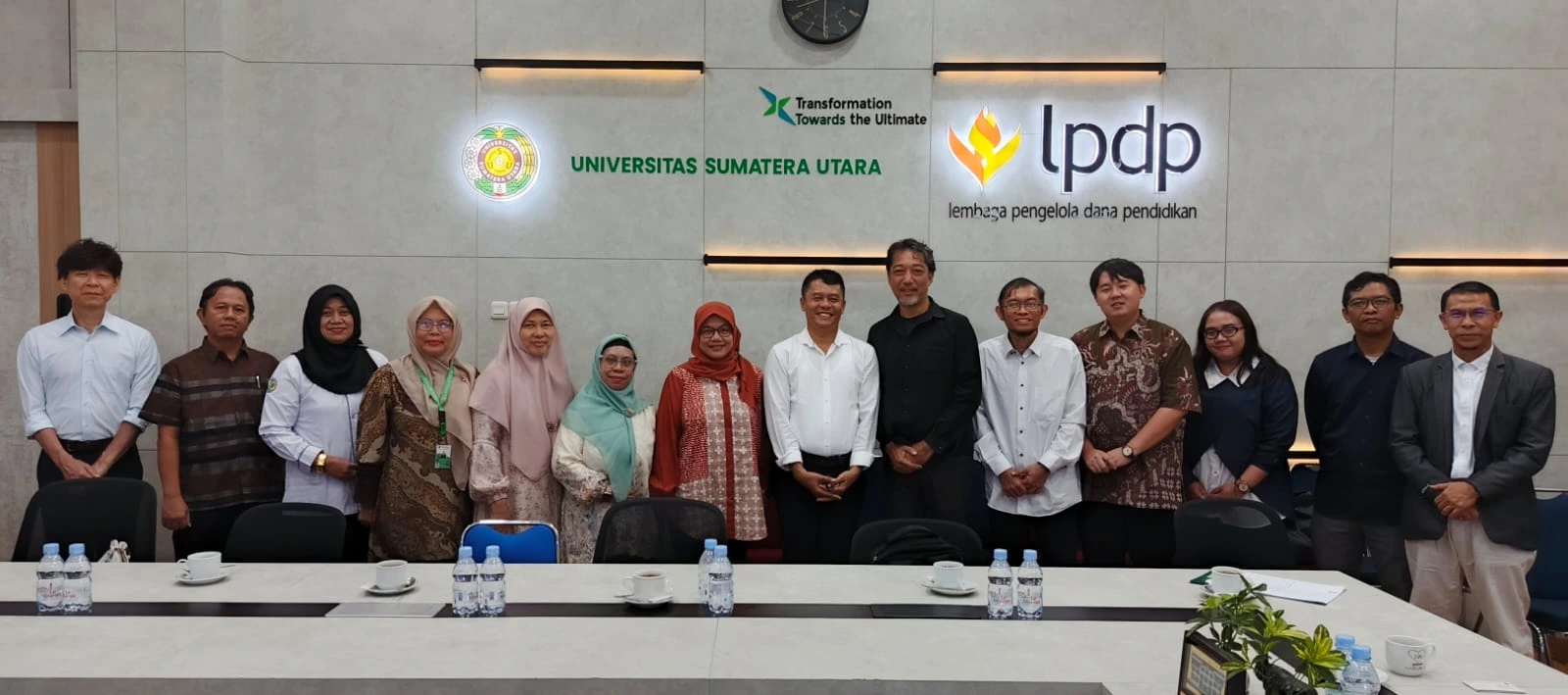
Enviro News Asia. Gowa — Indonesia’s Ministry of Forestry, through the South Sulawesi Natural Resources Conservation Agency (BBKSDA), has strengthened science-based conservation management by conducting a biodiversity inventory of flora and wildlife in the Ko’mara Wildlife Reserve from July 29 to 31, 2026.
The inventory involved staff from the Ko’mara Resort, forestry students from Hasanuddin University participating in field practice, and members of the Forest Ranger Community Partnership (Masyarakat Mitra Polhut/MMP). The initiative aims to update biodiversity data, monitor habitat conditions, and enhance collaboration among government agencies, academia, young conservationists, and local communities.
The program aligns with Forestry Minister Raja Juli Antoni’s policy that conservation areas should be managed based on reliable scientific information.
“Conservation area management must be based on strong scientific data and research,” the minister said.
The biodiversity assessment provides essential baseline information on species, populations, habitats, and ecosystem conditions to support evidence-based conservation planning, ecosystem restoration, habitat protection, and mitigation of biodiversity threats.
The initiative also supports the implementation of the Indonesia Biodiversity Strategy and Action Plan (IBSAP) 2025–2045 and contributes to the achievement of Sustainable Development Goal (SDG) 15 on protecting terrestrial ecosystems and biodiversity.
Mustari Tepu, Head of Conservation Area Division II at BBKSDA South Sulawesi, said the inventory is intended to establish baseline ecological data, map habitat conditions, and provide scientific references for more effective and sustainable management of conservation areas.
He added that the long-standing collaboration with Hasanuddin University’s Faculty of Forestry is expected to continue strengthening environmental conservation efforts in the Ko’mara Wildlife Reserve.
During the field survey conducted on July 29–30, the team documented several native Sulawesi plant species, including ebony (Diospyros celebica), narra (Pterocarpus indicus), sugar palm (Arenga pinnata), and various bamboo species. Researchers also recorded sightings of the endemic Moor macaque (Macaca maura), wild boar tracks, several bird species, butterflies, and other wildlife.
Ko’mara Resort Head Jamaluddin said involving university students not only supports conservation management but also helps build technical capacity among future forestry professionals by providing practical experience in biodiversity monitoring.
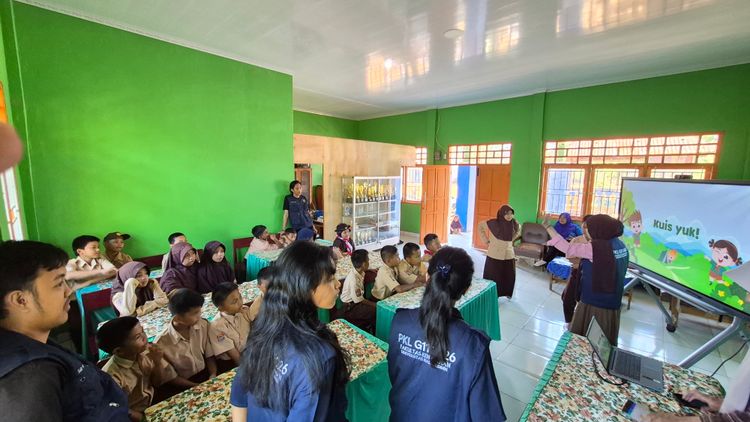
The program concluded on July 31 with a conservation awareness campaign at SDN Bissoloro Elementary School in Bungaya District, Gowa Regency. Students learned about the ecological importance of the Ko’mara Wildlife Reserve as a habitat for wildlife and plants, a genetic resource reservoir, a water catchment area, and a natural barrier against floods, landslides, and climate change impacts.
Environmental education, officials said, plays a crucial role in fostering a new generation that understands conservation areas as life-supporting ecosystems that provide clean water, maintain soil fertility, regulate local climate, and sustain surrounding communities.
The Ko’mara Wildlife Reserve occupies a strategic position within the Gowa–Takalar landscape, serving as habitat for Sulawesi’s unique biodiversity while safeguarding watershed functions that support agriculture and local livelihoods.
Daeng Talli, a member of the Forest Ranger Community Partnership, expressed hope that cooperation among government institutions, local communities, universities, and other stakeholders would continue to preserve the reserve for future generations.
Established in 1999 and covering approximately 2,972 hectares, the Ko’mara Wildlife Reserve is expected to benefit from the latest biodiversity data, which will strengthen the implementation of its 2024–2033 Long-Term Management Plan, covering habitat protection, wildlife population monitoring, ecosystem restoration, conservation education, and community partnerships.
The Ministry of Forestry reaffirmed its commitment to promoting science-based and collaborative conservation management to ensure Indonesia’s protected areas continue to preserve biodiversity while delivering long-term environmental and social benefits. (*)