

Enviro News Asia, Jakarta – The government continues to accelerate its downstreaming program by expanding the construction of oil refineries and other supporting facilities. This initiative was the main focus of a limited meeting led by President Prabowo Subianto at the Merdeka Palace, Jakarta, on Monday evening, March 10, 2025.
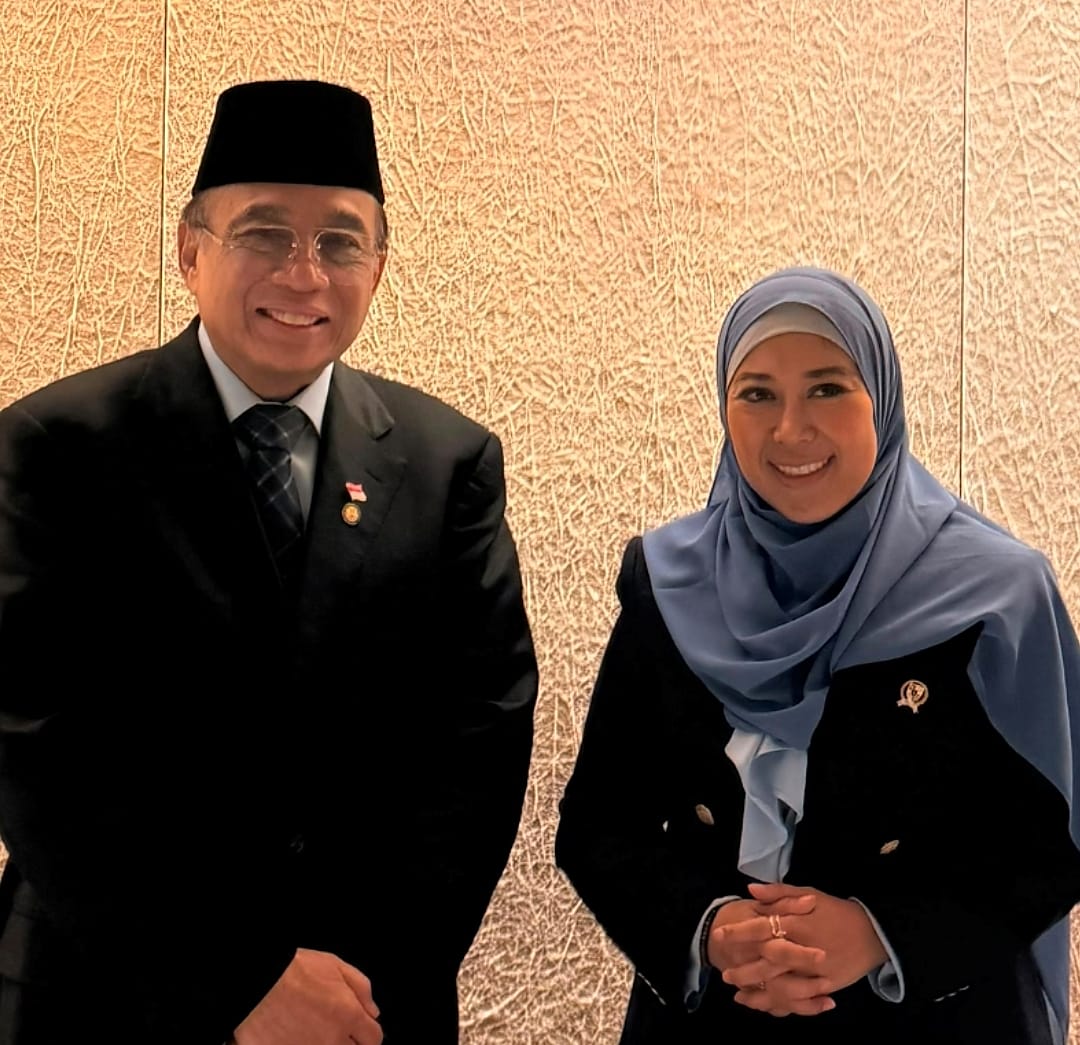
Minister of Energy and Mineral Resources (ESDM) Bahlil Lahadalia explained that the government has revised its refinery development plans. Initially, the planned refinery capacity was set at 500,000 barrels per day, but it has now been increased to 1 million barrels per day.
“We will build around 1 million barrels per day, and this will be carried out in several locations, including Kalimantan, Java, Sulawesi, and Maluku-Papua, to ensure equitable distribution,” Bahlil told the media after the meeting, as stated in a press release from the State Secretariat.
In addition, the government will also construct storage facilities with a capacity of 1 million barrels per day. In the energy sector, the government is promoting the development of dimethyl ether (DME) as an LPG substitute and expanding downstreaming efforts in the fisheries, plantation, and forestry sectors.
“In the coal mineral sector, besides bauxite, we will also focus on nickel and tin. Additionally, we will develop solar panels and quartz sand, incorporating them into critical minerals, as these present a comparative advantage for our nation,” Bahlil stated.
Meanwhile, Minister of Investment and Downstreaming Rosan Roeslani emphasized in a separate statement that the government continues to encourage investments in well-prepared downstreaming projects. The government remains open to both foreign investors and national businesses willing to invest in ready-to-run projects.
“Essentially, we will conduct an independent evaluation, considering all aspects, including return on investment, profitability, and the impact on import reduction, particularly in the energy sector. Lastly, we will assess job creation potential,” Rosan explained.
Beyond economic benefits, the downstreaming projects are also designed to align with the government’s target of achieving net zero emissions by 2060.
“This initiative is in line with our industrialization goals, ensuring that these projects remain sustainable while simultaneously reducing emissions,” Rosan concluded.
This limited meeting was part of the government’s strategy to accelerate industrial downstreaming, reduce dependence on imports, increase the added value of natural resources, and create more jobs for the public.