

Enviro News Asia, Washington, D.C. — United States, served as an important platform for Indonesia’s youth diplomacy through the Youth 20 (Y20) Summit 2026, held from August 10–14, 2026. As the official youth engagement group of the G20, Y20 brings together young delegates from member countries to formulate policy recommendations for global leaders.
The Y20 Summit 2026 was organized by Young Professionals in Foreign Policy in collaboration with Globally. Over several months, delegates engaged in negotiations and discussions before finalizing the Y20 2026 Communiqué, a document outlining the aspirations, priorities, and policy recommendations of young people to G20 leaders.
The communiqué will be submitted to G20 leaders at the G20 Summit, scheduled to take place in Miami, Florida, in December 2026.
For Indonesia, participation in Y20 carries strategic importance. As one of Southeast Asia’s largest economies and an important voice within the Global South, Indonesia sought to ensure that global solutions reflect the perspectives and interests of developing countries. The country emphasized that access to technology, development financing, clean energy, and food should not become privileges available only to certain countries.
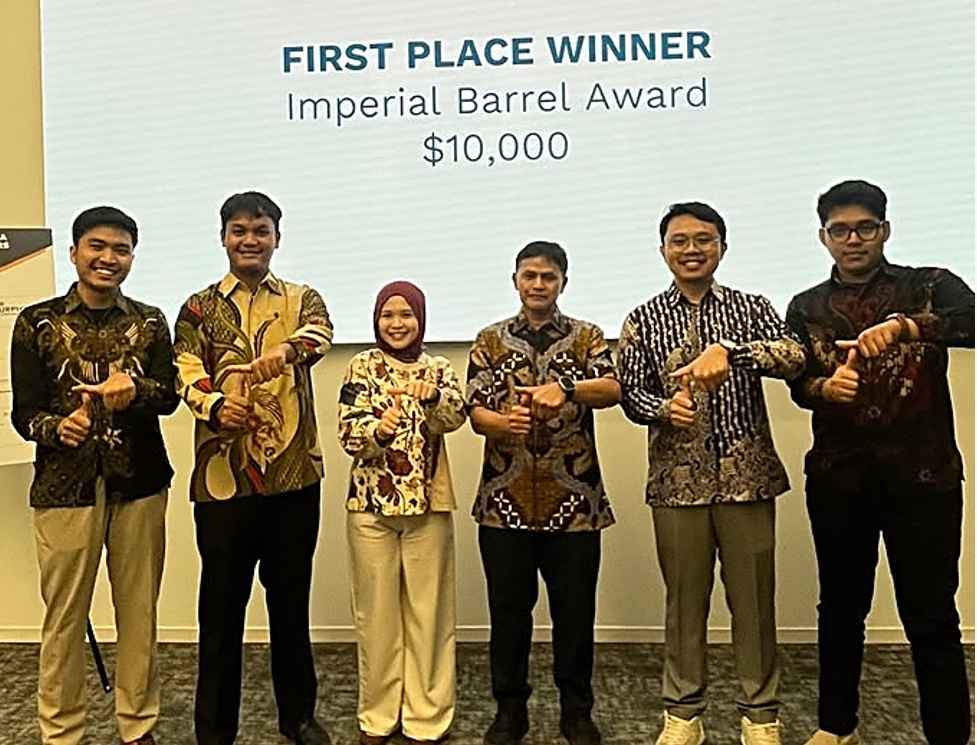
Indonesia was represented across all five Y20 tracks. Haris Hendrik represented Track 1 on global economic growth and job creation; Irhasy Muhammad Maulad represented Track 2 on energy; Moses Hasiholan Siregar represented Track 3 on innovation and digital transformation; Kenzie Sultan Ryvantya represented Track 4 on vulnerabilities, conflict, and violence; while Jessie Ellena Hedrian represented Track 5 on food security and global health.
On global economic issues, Indonesia advocated for the creation of more decent and productive employment opportunities for young people. The Indonesian delegation also highlighted the importance of digital skills development, stronger support for youth entrepreneurship, and expanded access to financing for startups and youth-led micro, small, and medium enterprises.
On energy, Indonesia promoted the principle of a just energy transition. While the transition toward cleaner energy is essential, future energy systems must also remain affordable, reliable, and capable of creating new employment opportunities. Indonesia stressed that the energy transition should not increase the burden on communities or widen the development gap between developed and developing countries.
In discussions on innovation and digital transformation, Indonesia emphasized the importance of safe, inclusive, and responsible artificial intelligence governance. The delegation also called for stronger digital infrastructure, improved digital literacy, enhanced online safety, workforce preparedness for technological change, and greater technological competitiveness in the digital economy.
Indonesia also brought its experience as an archipelagic country facing the impacts of climate change, natural disasters, and pressures on food supply chains. Under the food security and global health track, Indonesia emphasized the importance of building resilient food systems, expanding access to affordable health technologies, and promoting more equitable health financing across countries.
On August 15, 2026, the Indonesian Y20 Delegation formally handed over the Y20 2026 Communiqué to the Ambassador of the Republic of Indonesia to the United States, Indroyono Soesilo.
Ambassador Indroyono welcomed the document and emphasized the importance of ensuring that the Y20 Communiqué does not remain merely an international declaration. Instead, it should serve as an advocacy instrument to connect youth aspirations with policies and actions involving the government, private sector, universities, and civil society organizations.
Indonesia’s participation in Y20 2026 therefore represents more than its presence at an international youth forum. It provides an opportunity for young Indonesians to bring critical issues—including employment, energy, technology, peace, food security, and health—to the global policy agenda while encouraging their translation into concrete policies and actions at home. (*)