Enviro News Asia, Bangka Belitung Islands — The Bangka Belitung Regional Chapter of the Indonesian Forestry Entrepreneurs Association (APHI) said community empowerment should be a key foundation for implementing Presidential Instruction No. 11 of 2026 on Strengthening Enforcement of the Ban on Land Clearing by Burning and Forest and Land Fire Control.
Chairman of the APHI Bangka Belitung Regional Chapter Deddy Sun said strengthening the ban on land clearing through burning must be accompanied by efforts to improve community capacity, provide alternatives to burning-based land clearing, and strengthen fire prevention institutions at the village level.
“Forest and land fire prevention will be more effective when communities are positioned as a key part of the solution. Communities need continued assistance so they have the knowledge, capacity, equipment, and economic alternatives needed to manage land without burning,” Deddy Sun said.
He said village-based empowerment programs, including the Prosperous Village Caring for Nature (Desa Makmur Peduli Alam/DMPA) program, Fire-Free Village initiatives, and similar programs developed by businesses in cooperation with governments and communities, should continue to be strengthened and expanded according to local conditions.
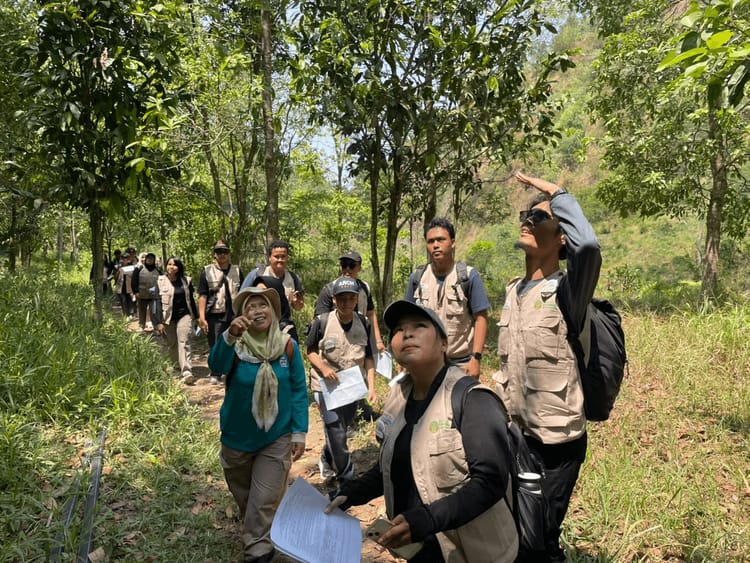
These programs can be directed toward increasing awareness of fire risks, promoting non-burning land management practices, strengthening community fire prevention groups, and involving residents in patrols, early detection, reporting, and initial fire response.
“DMPA, Fire-Free Villages, and other community empowerment initiatives show that forest and land fire prevention cannot rely solely on firefighting. Equally important is building community resilience and providing practical alternatives so economic activities can continue without the use of fire,” Deddy Sun said.
Deddy Sun welcomed the government’s issuance of Presidential Instruction No. 11 of 2026, which he said provides clearer and more coordinated direction to ministries, government agencies, and regional administrations in preventing and controlling forest and land fires.
The instruction, among other provisions, reinforces the ban on land clearing by burning, prevents central and regional government policies or decisions that could be interpreted as legalizing the use of fire for land clearing, and requires exceptions based on local wisdom to be implemented strictly and proportionately.
The application of such local-wisdom practices may only take place after conditions have been declared safe, following the completion of the emergency response, emergency alert, and emergency transition periods as determined by regional heads.
“Amid the critical conditions associated with El Niño, the government’s policy to strengthen the ban on land clearing by burning, including strict regulation of burning practices based on local wisdom, is an important prerequisite for ensuring a common approach among all stakeholders in forest and land fire prevention and control,” Deddy Sun said.
He stressed that APHI and its members support implementation of the policy and will continue coordinating with the central and regional governments. Dialogue with local communities should also be strengthened to build a shared understanding of the risks and impacts of land clearing through burning.
“Engagement with communities must be consistent, participatory, and aligned with local socioeconomic conditions. The ban must be accompanied by education, assistance, and support for safer and more productive land management practices,” he said.
Deddy Sun also commended holders of Forest Utilization Business Licenses (Perizinan Berusaha Pemanfaatan Hutan/PBPH) that have implemented standard operating procedures for forest and land fire prevention and control within their respective operational areas.
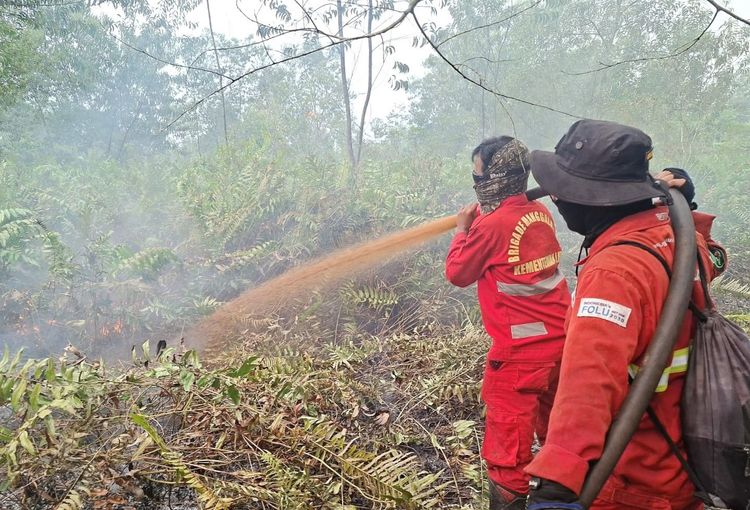
In addition to protecting their own operational areas, PBPH holders have collaborated with the National Disaster Management Agency (BNPB), the Indonesian Military (TNI), the National Police (Polri), Manggala Agni, regional governments, and other stakeholders in preventing, controlling, and extinguishing forest and land fires in surrounding areas.
“PBPH efforts are not limited to their own operational areas. Under various circumstances, APHI members have also provided personnel, equipment, patrols, and firefighting assistance in surrounding areas to prevent fires from spreading and causing greater impacts on communities,” Deddy Sun said.
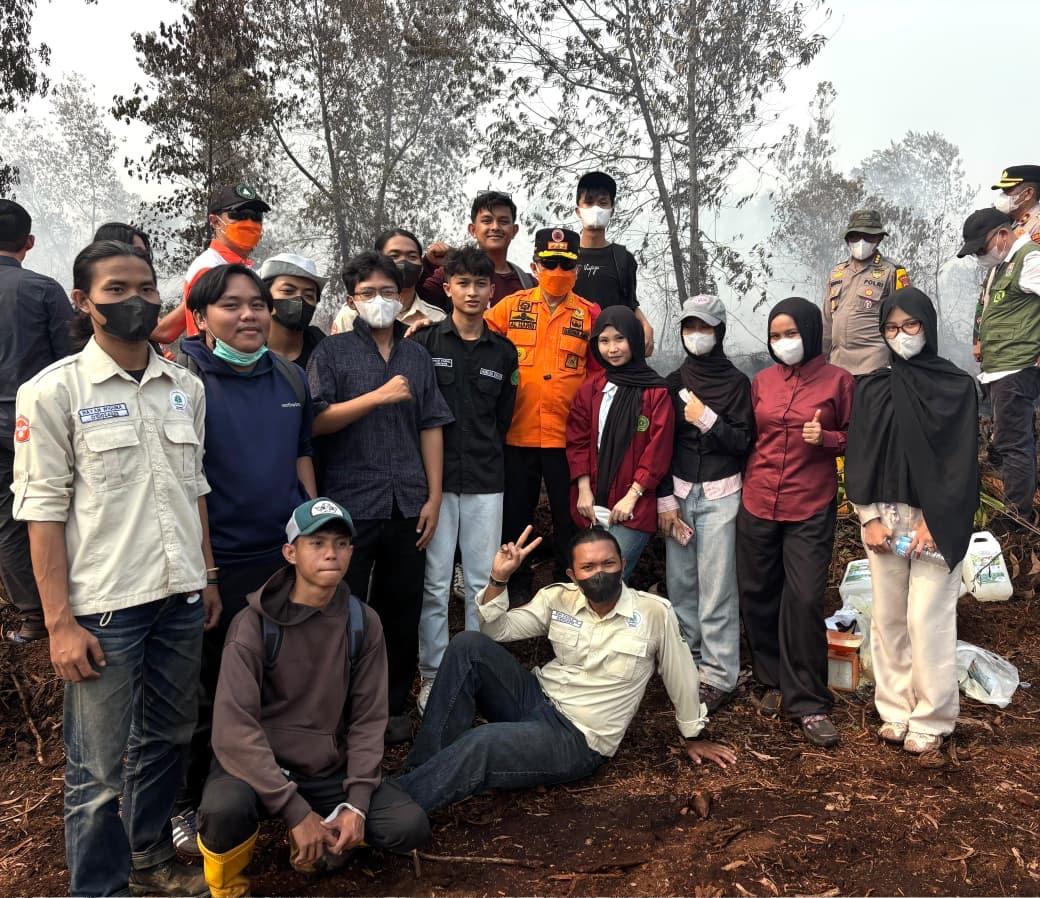
APHI, he added, is calling for stronger multi-stakeholder cooperation based on the spirit of mutual assistance. Collaboration among central and regional governments, the TNI, Polri, Manggala Agni, businesses, academics, and communities is needed to strengthen community empowerment, early detection, integrated patrols, rapid response, and firefighting.
“Forest and land fires are issues that cross administrative boundaries and areas of authority. Therefore, mutual support and resource sharing are essential to ensure that prevention and response efforts are coordinated, rapid, and effective,” Deddy Sun said.
Regarding law enforcement, APHI hopes the government will objectively and proportionately consider the maximum efforts made by PBPH holders to prevent and control fires within their operational areas, as well as their assistance in responding to fires in surrounding areas.
Such assessments, APHI said, should be based on field facts, compliance levels, prevention and response measures undertaken, and applicable laws and regulations.
Through stronger community empowerment, multi-stakeholder collaboration, and objective law enforcement, the implementation of Presidential Instruction No. 11 of 2026 is expected to strengthen forest and land fire prevention at the field level, accelerate fire response, and protect communities, forests, and the environment. (*)