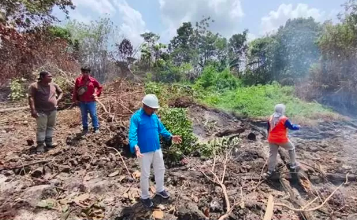
Enviro News Asia, Samarinda — The Indonesian Forest Concessionaires Association (APHI) East Kalimantan Regional Chapter is strengthening forest and land fire (Karhutla) preparedness by urging all members holding Forest Utilization Business Licensing (PBPH) to intensify prevention, monitoring, early detection, and rapid response throughout the 2026 dry season.
APHI East Kalimantan Regional Chapter Chairman Asrul Anwar said preparedness must be established before fires occur, rather than only after an incident has begun. He emphasized that prevention, monitoring, early detection, and adequate resources are essential to ensure potential fires can be addressed at the earliest stage.
“Every PBPH must ensure the readiness of personnel, facilities, and infrastructure for forest and land fire management within their respective operational areas,” Asrul said.
APHI East Kalimantan began strengthening its preparedness measures on April 17, 2026, through Circular Letter No. 040/SI/Komda Kaltim-APHI/PUK/IV/2026 on Early Anticipation of Forest and Land Fires in Response to the 2026 El Niño.
The circular was issued in response to forecasts indicating the potential development of El Niño from May 2026, which could increase dryness in several regions, including East Kalimantan.
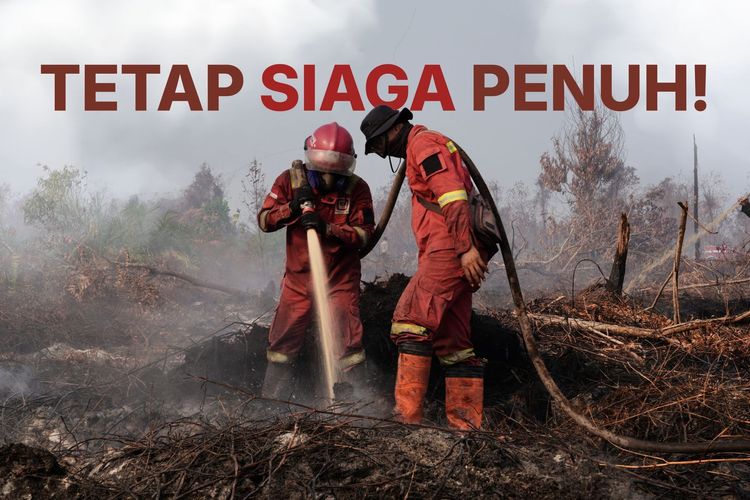
Through the circular, APHI called on all PBPH members to increase preparedness, particularly in areas with high fire vulnerability. Companies were urged to ensure the availability of firefighting equipment, water sources, observation towers, and early warning systems, while activating their Forest and Land Fire Management Teams (RPK), personnel, and field command systems.
PBPH members were also encouraged to strengthen integrated patrols, improve coordination with local governments, security forces, and relevant agencies, and conduct public awareness campaigns on the dangers and prohibition of land burning in communities surrounding their operational areas.
The preparedness measures were required to be reported to the APHI East Kalimantan Regional Chapter before the peak of the dry season.
Daily Hotspot Monitoring Supports Early Response
In addition to the circular, APHI East Kalimantan conducts daily early-warning activities by distributing information on satellite-detected hotspots through the SIPONGI monitoring platform to PBPH members. The information covers hotspots detected both within and around company operational areas.
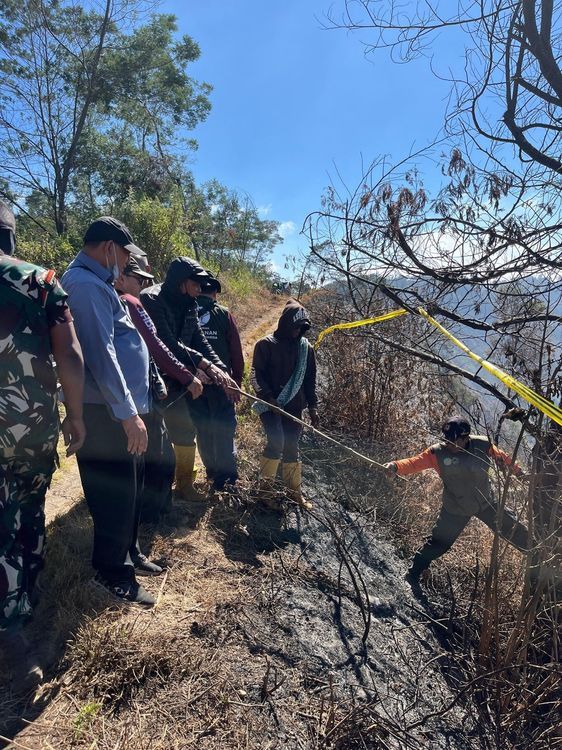
The data serves as an early indication for companies to conduct field verification and determine whether a detected hotspot represents a normal thermal anomaly or has developed into an actual fire.
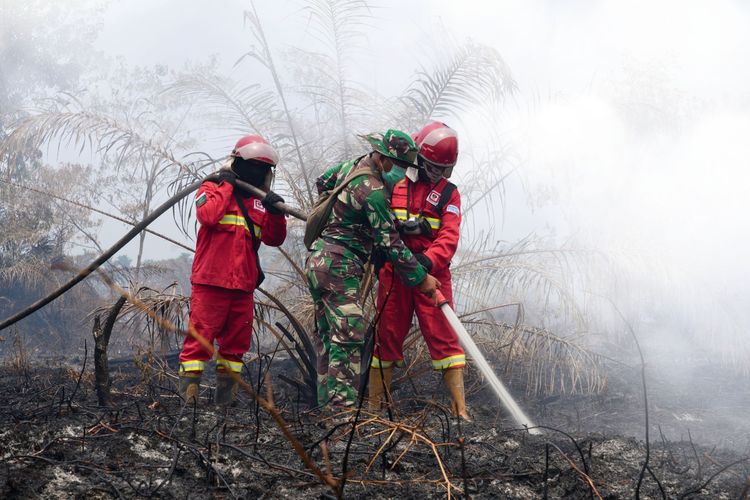
When field verification confirms a fire, the PBPH concerned is expected to immediately undertake firefighting operations in accordance with applicable procedures and report the incident to relevant authorities.
The system is designed to shorten the response chain between detection, verification, reporting, and field action, allowing potential fires to be contained before they spread over wider areas.
PT Surya Hutani Jaya Supports Firefighting Outside Its Operational Area
The preparedness of APHI East Kalimantan members is also reflected in their involvement in fire response beyond their own operational areas.
PT Surya Hutani Jaya (SRH), for example, routinely conducts integrated and joint patrols involving government agencies, security personnel, and local communities. The company also supports Community Fire Awareness Groups (MPA) through education, monitoring, and early reporting at the community level.
Throughout 2026, PT SRH has participated in forest and land fire prevention campaigns in Muara Bengkal, Sebulu, and Muara Kaman districts, involving village governments, local communities, and security personnel.
APHI East Kalimantan emphasized that consistent coordination among PBPH operators, government institutions, security forces, and communities remains essential to prevent isolated hotspots from developing into large-scale forest and land fires.
The association is encouraging all PBPH operators to maintain a high level of readiness throughout the dry season, particularly as changing weather conditions and prolonged dry periods can increase fire risks across vulnerable landscapes. (*)