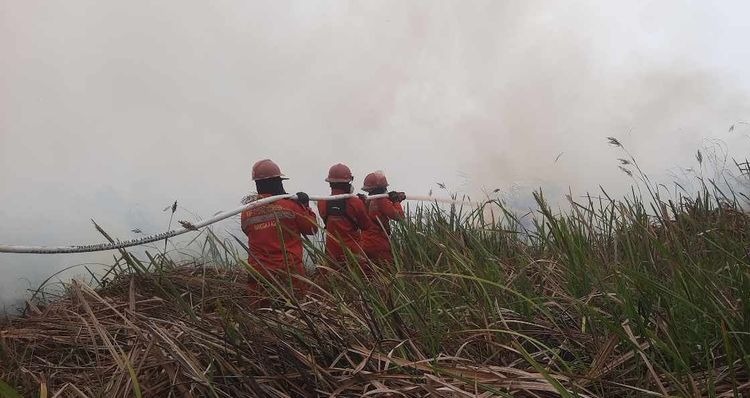
Enviro News Asia, Jambi — Forest and land fire (karhutla) prevention in Jambi Province needs stronger multi-stakeholder cooperation, improved site-level management and greater community empowerment in fire-prone areas, the Indonesian Forest Concessionaires Association (APHI) Jambi chapter said.
APHI Jambi Chairman Taufik Qurochman said government agencies, businesses, security forces, academics, civil society organizations and local communities need to coordinate their efforts to make fire prevention and response more effective.
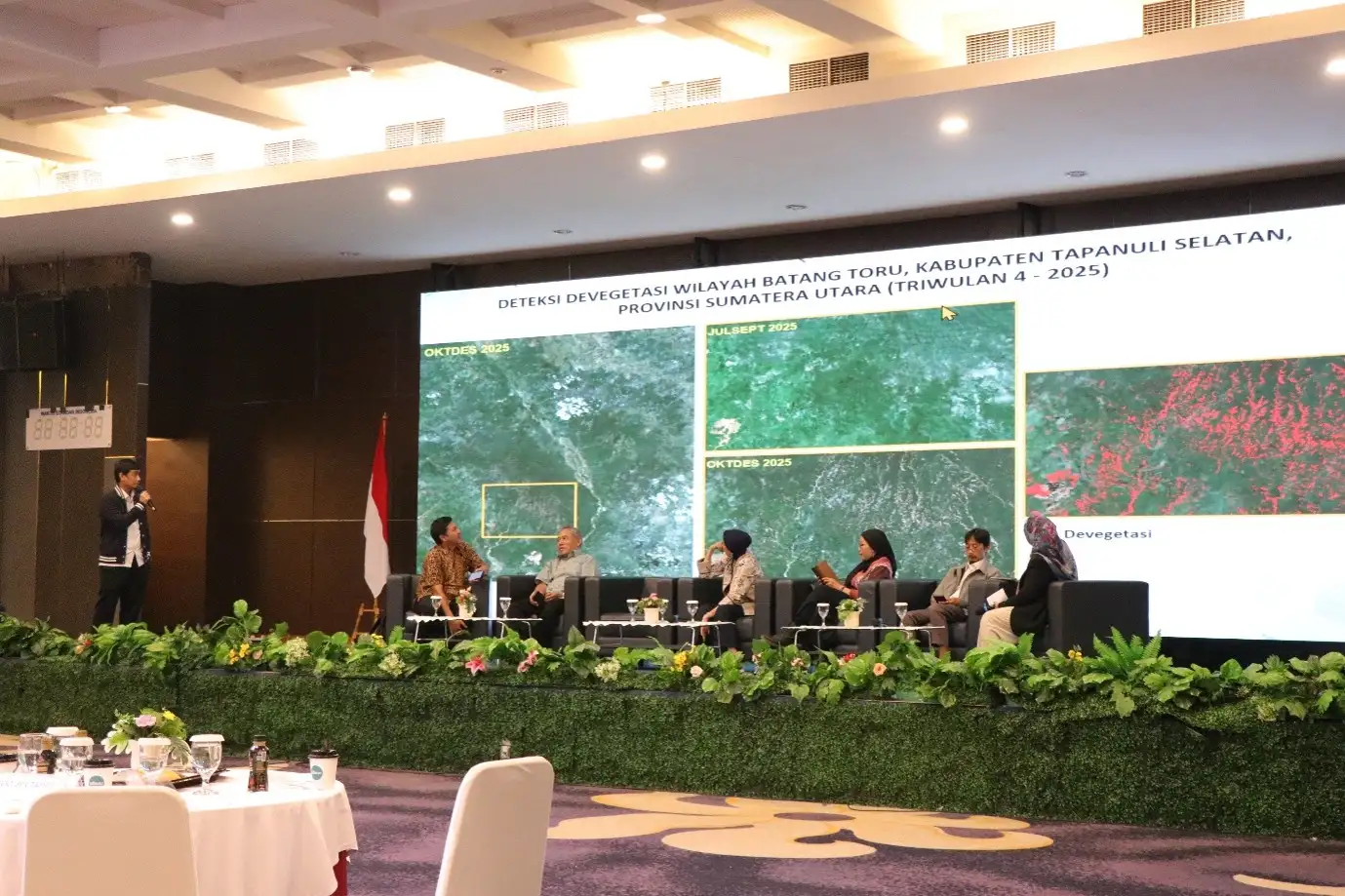
“Forest and land fires are a shared challenge that requires clear division of roles. We need to sit together, map vulnerable areas, identify field needs and agree on measures that can be implemented consistently,” Taufik said during the Jambi Bicara discussion program titled “Protect Forests, Save the Environment” on TVRI Jambi on Tuesday (September 8).
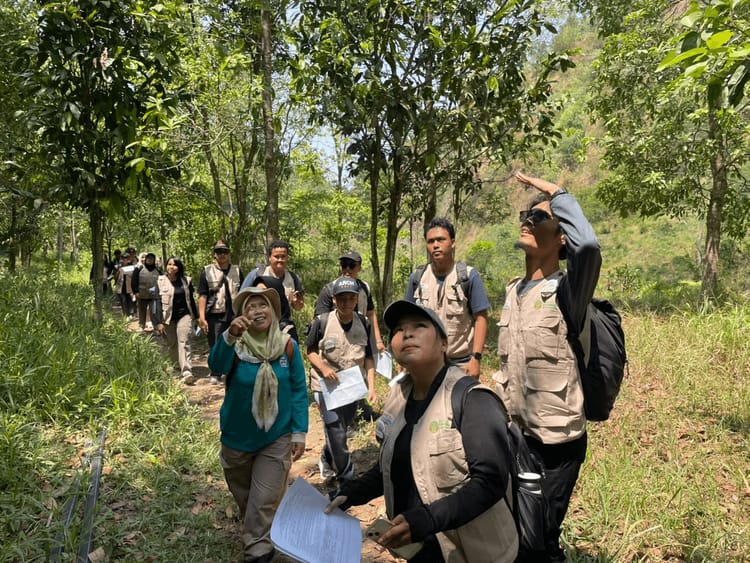
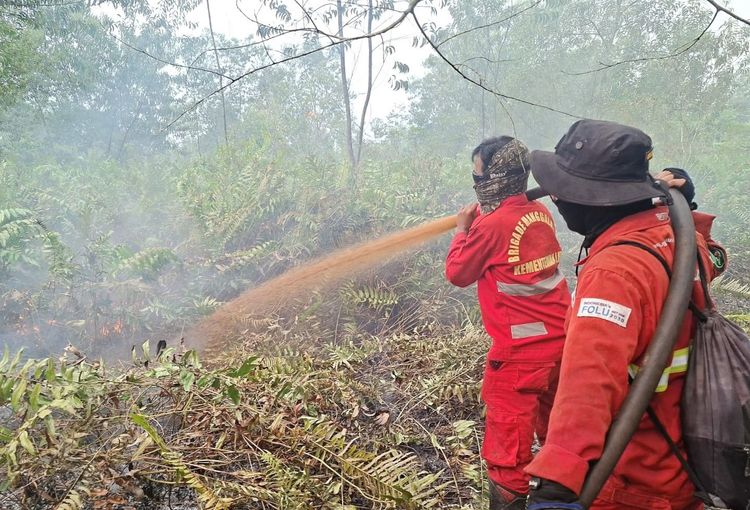
He said preparedness should begin before dry conditions reach their peak. Measures include mapping fire-prone areas, conducting integrated patrols, positioning personnel, strengthening early detection, preparing firefighting equipment and ensuring accessible water sources.
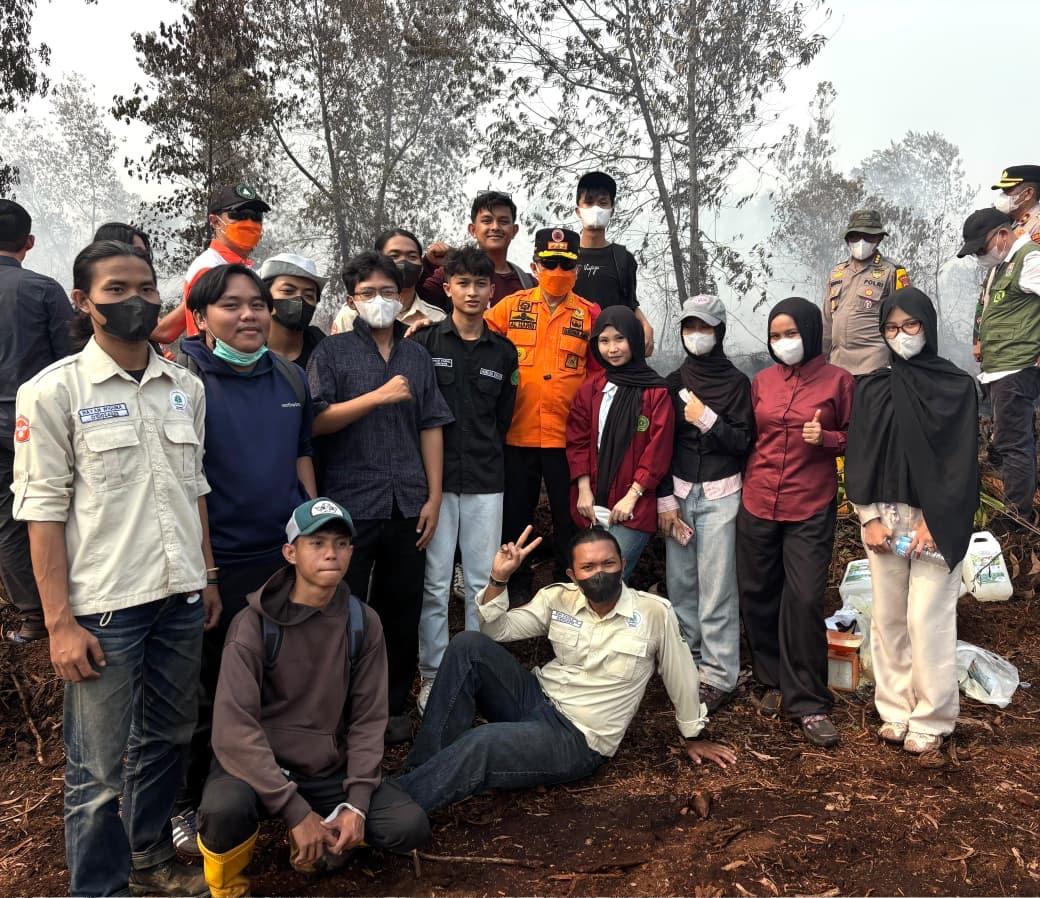
Taufik said 81 mitigation posts have been established in several high-risk areas involving companies, the Indonesian Military (TNI), National Police (Polri), Regional Disaster Management Agency (BPBD) and Manggala Agni. Stronger field coordination is needed to ensure every indication of fire is verified and addressed before it spreads.
“Fire control cannot rely on a single approach. Each area has different needs, so water availability, access to fire locations, land conditions, monitoring technology and community support must be integrated into plans that reflect site-specific characteristics,” he said.
Taufik also urged residents to exercise greater caution during the dry season by avoiding activities that could trigger fires, including discarding cigarette butts, making campfires and using fire on plantations or other land without adequate supervision.
Meanwhile, Universitas Jambi academic Bambang Irawan said prevention should remain the top priority because suppressing fires in dry landscapes, particularly peatlands, requires substantial resources and often takes considerable time.
“Long-term solutions must begin with improved site-level governance. High-risk areas need active management, clear responsibility and adequate human resources and facilities,” Bambang said.
He said villages vulnerable to forest and land fires should become priority locations for development programs. Agriculture, plantations, social forestry, community-based businesses, environmental education and support for fire-free land clearing could be integrated in these areas.
Such an approach would not only reduce fire risks but also strengthen community livelihoods, knowledge and economic alternatives, Bambang said. Central and local governments should align their programs and budgets, while businesses can contribute through community empowerment programs and technical assistance.
“When communities have access to knowledge, facilities, financing and sustainable economic activities, preventing forest and land fires becomes a shared interest at the village level,” he said.
Yopi Santiantoro, Secretary General of the Joint Secretariat for Forest Resource Management (Sekber PSDH) of Jambi Province, said collective awareness and continuous communication are also essential to strengthen community resilience during the dry season.
“Our focus is to ensure who does what, where and with what support. A multi-stakeholder contingency plan needs to be developed in an integrated manner so prevention, early detection, resource mobilization and field response can take place more quickly,” Yopi said.
He encouraged broader participation from government agencies, businesses, universities, civil society organizations and local communities. Multi-stakeholder forums can help synchronize data, establish priority areas, strengthen the capacity of site-level managers and coordinate personnel and equipment.
Yopi also praised firefighters and volunteers working in the field. He said firefighting teams need consistent prevention efforts to reduce the risks faced by personnel and limit the impact of forest and land fires on public health, education, the economy and the environment.
The three speakers agreed that fire prevention should be carried out throughout the year rather than only during the dry season or after fires have occurred.
Fire-risk maps, weather forecasts, hotspot data, water-source conditions and community empowerment plans should be integrated as a basis for decision-making and preparedness.
Through sustained commitment, consistent monitoring, stronger site-level management and fair multi-stakeholder cooperation, efforts to protect Jambi’s forests and environment can become more effective while safeguarding communities and future generations from the impacts of forest and land fires. (*)