Enviro News Asia, Maluku – The Indonesian Forest Concession Holders Association (APHI) has called for the implementation of the Multi-Business Forestry (Multiusaha Kehutanan) approach to optimize forest resources while increasing the forestry sector’s contribution to economic growth and community welfare in North Maluku.
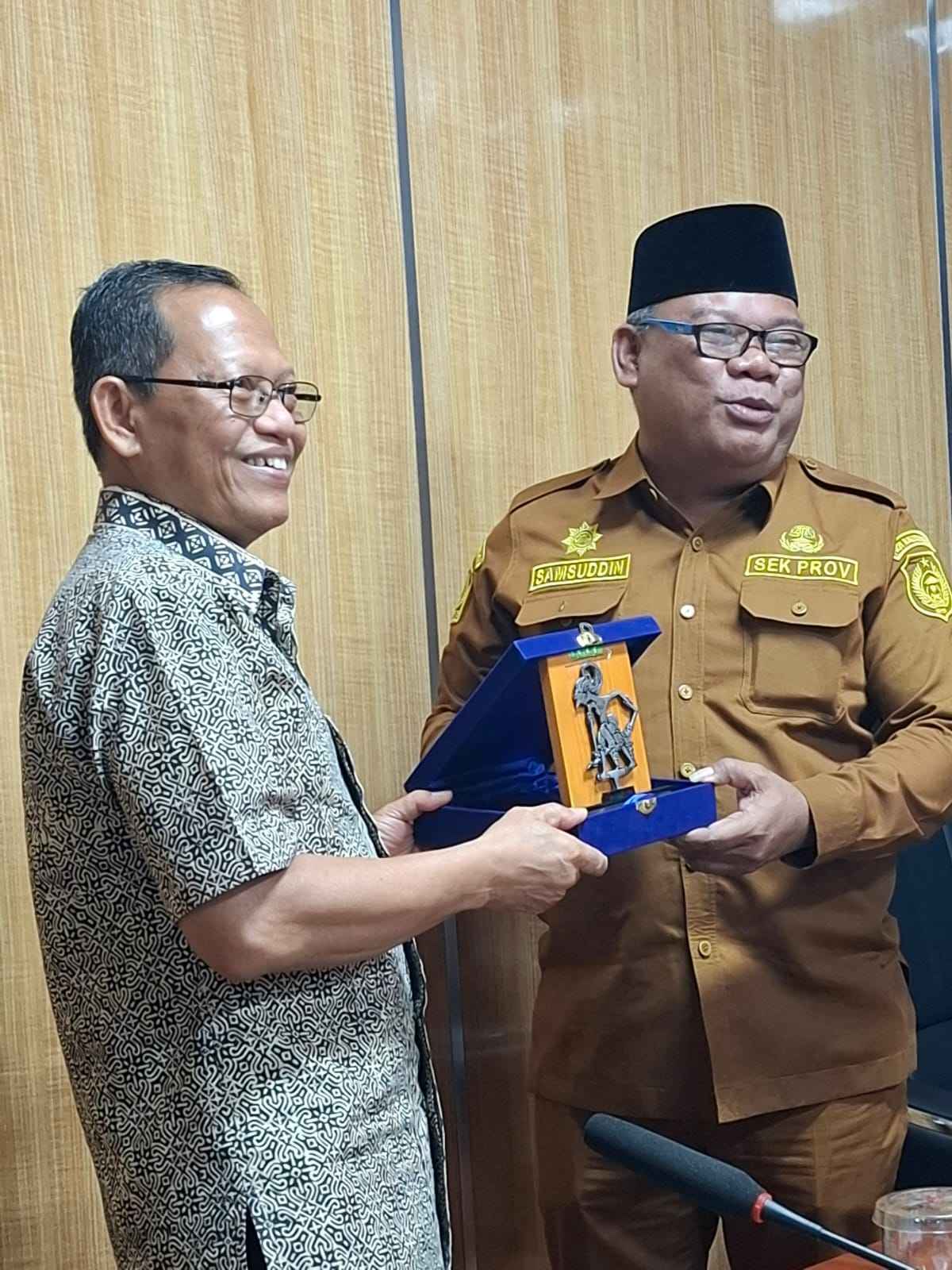
The proposal was presented by APHI Chairman Soewarso during a meeting with APHI North Maluku Regional Chair Arif Budiantoro and the association’s board members, alongside North Maluku Regional Secretary Samsuddin A. Kadir and the province’s Forestry Office officials in Sofifi on Tuesday.
According to Soewarso, North Maluku currently has 16 Forest Utilization Business Licenses (PBPH) covering a total area of 739,026 hectares, consisting of natural forest and industrial plantation forest concessions. However, changes in production trends indicate that the province’s forestry sector is undergoing structural transformation.
He noted that natural forest timber production has continued to decline, while output from plantation forests has increased, highlighting the need for a more adaptive, productive, and sustainable forest management model.
Soewarso said the Multi-Business Forestry policy enables PBPH holders to diversify beyond timber production by developing non-timber forest products, environmental services, agroforestry, carbon-related businesses, and other forest-based economic activities.
He emphasized that such diversification would optimize the utilization of North Maluku’s forest resources while maintaining environmental sustainability and improving the welfare of communities living around forest areas.
“Forest management should no longer rely solely on timber production. Expanding non-timber forest products and environmental services will generate greater economic, social, and ecological benefits from North Maluku’s forest resources,” he said.
Soewarso added that one of the forestry sector’s key challenges is its relatively lower competitiveness compared to the mining industry, despite its significant long-term potential to support sustainable economic development.
He stressed that successful implementation of the Multi-Business Forestry model would require close collaboration among the provincial government, PBPH holders, local communities, universities, and other stakeholders.
North Maluku Regional Secretary Samsuddin A. Kadir welcomed APHI’s initiative and reaffirmed the provincial government’s support for strengthening forestry investment and improving the performance of forest concession holders.
He emphasized that business licenses granted to PBPH holders should generate tangible economic benefits for the province while improving community welfare.
“The North Maluku Provincial Government fully supports the implementation of Multi-Business Forestry to improve PBPH performance. These licenses must deliver maximum benefits for regional economic development and public welfare,” Samsuddin said.
He noted that North Maluku is one of Indonesia’s leading producers of cloves, nutmeg, and copra, adding that these commodities have strong potential to be developed through agroforestry systems within PBPH concession areas in accordance with existing regulations.
According to Samsuddin, agroforestry can diversify forestry business activities while creating new economic opportunities for communities living inside and around forest areas.
He also encouraged PBPH holders to adopt more inclusive forest management practices by expanding community participation through Forestry Partnership (Kemitraan Kehutanan) programs, which could help address social challenges, improve community access, reduce tenure conflicts, and ensure a more equitable distribution of economic benefits.
The meeting concluded with a shared commitment to strengthen collaboration between the North Maluku Provincial Government, APHI, PBPH holders, and local communities in developing productive, inclusive, and sustainable forest management that balances economic growth, environmental conservation, and community welfare. (*)