Enviro News Asia, JAKARTA — The West Papua and Southwest Papua chapter of the Indonesian Forestry Entrepreneurs Association (APHI) has urged forest concession holders to maintain routine monitoring and readiness as part of efforts to prevent forest and land fires, including when no fire incidents are detected.
Haryoto, chairman of the APHI West Papua and Southwest Papua chapter, said fire prevention requires continuous field activities to identify potential threats and enable early response.
“The absence of fire incidents is not a reason to reduce vigilance. Routine monitoring and personnel readiness must be maintained so potential fires can be anticipated as early as possible,” Haryoto said in Jakarta on September 15, 2026.
He said companies’ preparedness should be supported by effective communication among field personnel, management, government authorities and surrounding communities. Such communication is essential for accelerating the flow of information when signs of a fire are detected.
“APHI encourages its members to make prevention a continuous activity. Equipment readiness, personnel vigilance and coordination with stakeholders are important elements in protecting forest areas and the surrounding environment,” Haryoto said.
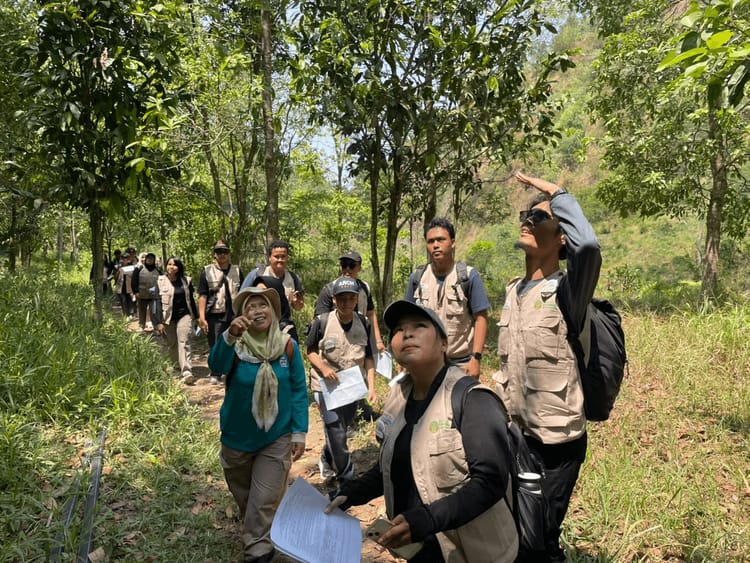
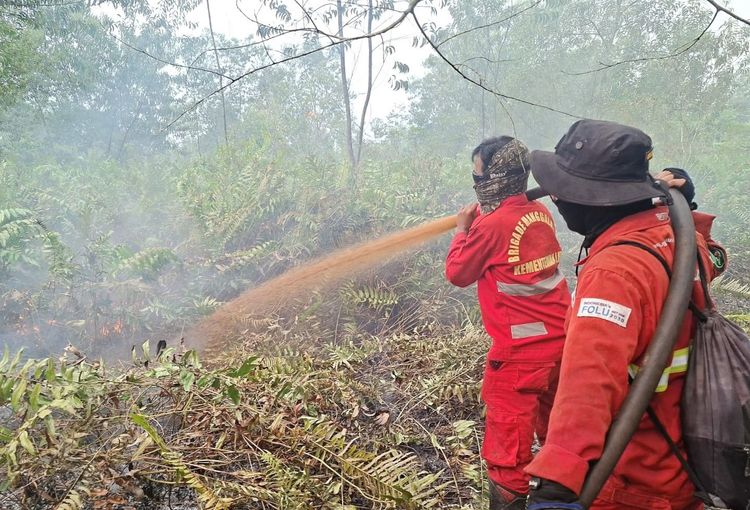
One example of such preparedness was carried out by PT Wanagalang Utama. According to the company’s daily forest and land fire control report dated September 12, 2026, personnel conducted monitoring and preparedness activities using supporting fire-control equipment.
Steven, Manager of Forest Management at PT Wanagalang Utama, said the report recorded no forest or land fire incidents on that date. The recorded burned area was zero, and no operational obstacles were reported.
“During the monitoring on September 12, no fire incidents were found. Four personnel participated in monitoring and preparedness activities to ensure vigilance in the field remained in place,” Steven said.
Steven added that routine monitoring forms part of the company’s efforts to maintain readiness against potential forest and land fires. Regular field records also provide a basis for evaluating preparedness requirements.
“We continue to maintain the readiness of our personnel and supporting equipment. Routine monitoring is important for understanding field conditions and supporting follow-up action if signs of fire are detected,” he said.
APHI expects consistent monitoring and preparedness by forest concession holders, supported by communication and cooperation with stakeholders, to strengthen forest and land fire prevention while protecting forests and the safety of surrounding communities. (*)