Enviro News Asia, Belém — Indonesia’s efforts to strengthen climate action based on carbon integrity took center stage during the CEO Talks session titled “Corporate Climate Leadership for Indonesia’s Net Zero Action through High Integrity Carbon” at the Indonesia Pavilion, during the 30th United Nations Climate Change Conference (COP30). The session brought together key players from the energy, forestry, and finance sectors to discuss the strategic role of corporations in supporting Indonesia’s net zero emission goals through a credible and sustainable carbon market. The discussion was moderated by Ir. Agus Pambagio, Senior Expert Advisor to the Ministry of Environment.
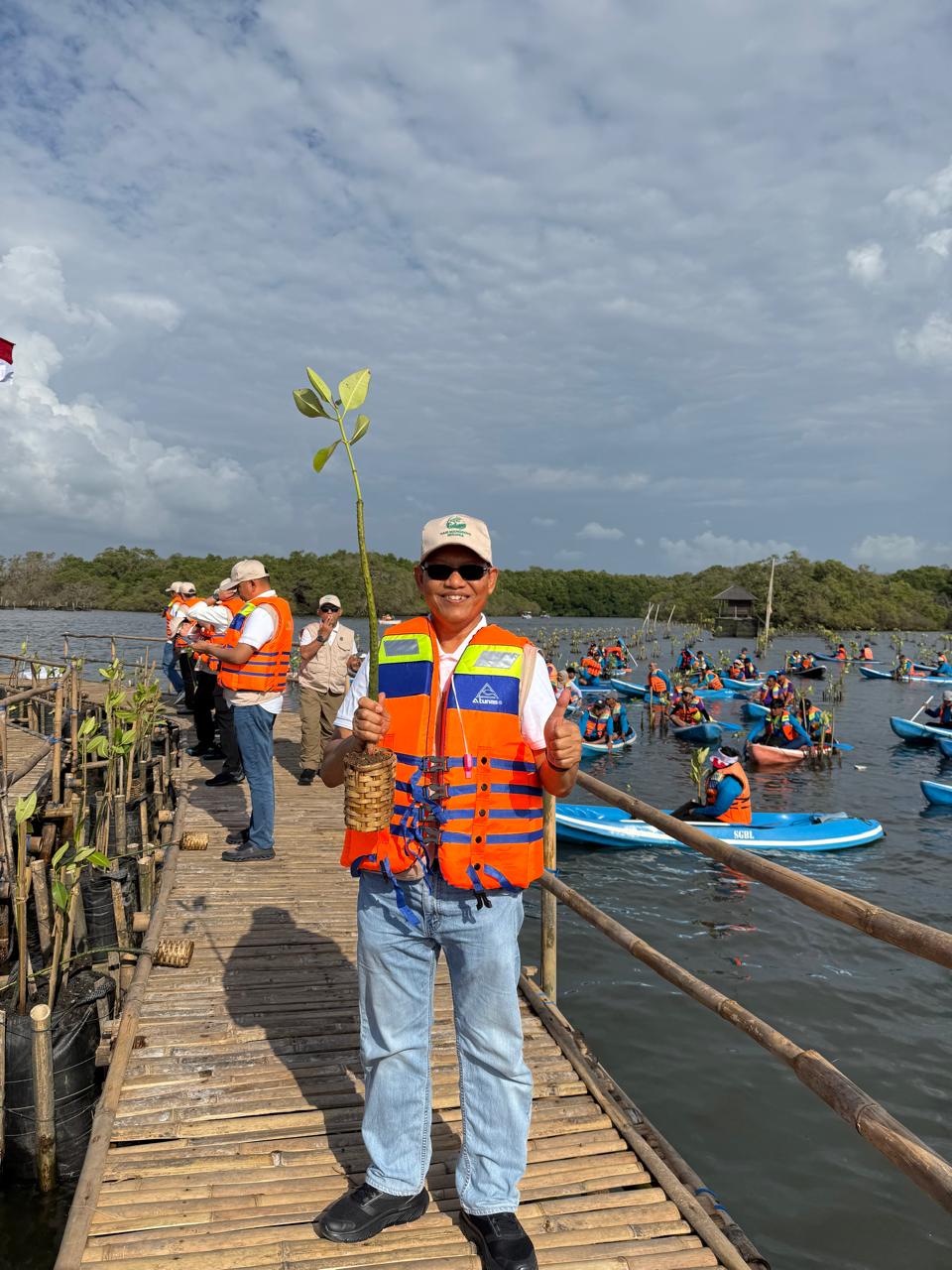
During the session, APP Group reaffirmed its commitment to supporting nature-based solutions through ecosystem restoration, forest protection, peatland management, and blue carbon development in mangrove areas as part of its sustainability platform Regenesis.
“Indonesia’s forests hold vital potential in supporting the achievement of national climate targets. As a pulp and paper company, APP Group is committed to maintaining sustainable management to ensure a responsible supply chain for the industry’s raw materials. Through science-based landscape restoration and local community empowerment, we aim to create tangible benefits for both the environment and surrounding communities. This effort requires strong partnerships among the government, private sector, and communities to ensure long-term and sustainable positive impacts,” said Elim Sritaba, Chief Sustainability Officer, APP Group.
APP Group emphasized that its forest restoration commitment is guided by its Forest Positive Policy, an evolution of the 2013 Forest Conservation Policy. Through the Regenesis initiative, APP Group allocates US$30 million annually over ten years for ecosystem restoration and to strengthen the socio-economic resilience of communities surrounding priority landscapes.
This approach aligns with Indonesia’s national FOLU Net Sink 2030 target, as well as global frameworks such as Article 6 of the Paris Agreement, PEFC/FSC standards, and the development of a national carbon market under IDXCarbon and the supervision of the Financial Services Authority (OJK).
To ensure integrity and transparency, APP Group implements:
- Satellite, drone, and AI-based monitoring of forest cover, crop productivity, and fire prevention;
- Public grievance mechanisms and an independent advisory panel;
- A Measurement, Reporting, and Verification (MRV) system aligned with the national registry in preparation for participation under Article 6.2.
The company’s restoration model is designed to deliver simultaneous benefits for climate, biodiversity, and community livelihoods. The Desa Makmur Peduli Alam (DMPA) program, for example, has contributed to reducing fire incidents across more than 460 villages while strengthening alternative sources of income for local residents.
Cross-sector collaboration is also crucial in enhancing the national carbon ecosystem. From the financial sector, Bank Mandiri reaffirmed its commitment to strengthening the role of financial institutions in supporting Indonesia’s transition toward a low-carbon economy.
“To support Indonesia’s transition to a low-carbon economy, PT Bank Mandiri (Persero) Tbk actively facilitates the carbon trading ecosystem through three strategic pillars—Supply, Market Enablers, and Demand—to ensure a strong framework for carbon credit development, trading, and purchasing,” said Monica Yoanita Octavia, Senior Vice President ESG, Bank Mandiri.
APP Group’s participation in this session underscores the strategic role of the private sector as a key government partner in enhancing carbon market governance and supporting the achievement of Indonesia’s Net Zero Emission 2060 target. (*)