

Enviro News Asia, Jakarta — The Meteorology, Climatology, and Geophysics Agency (BMKG) has warned that southern Indonesia is entering an active tropical cyclone period expected to last from November 2025 through the first quarter of 2026. This condition increases the potential for major storms, extreme rainfall, and hydrometeorological disasters in various regions.
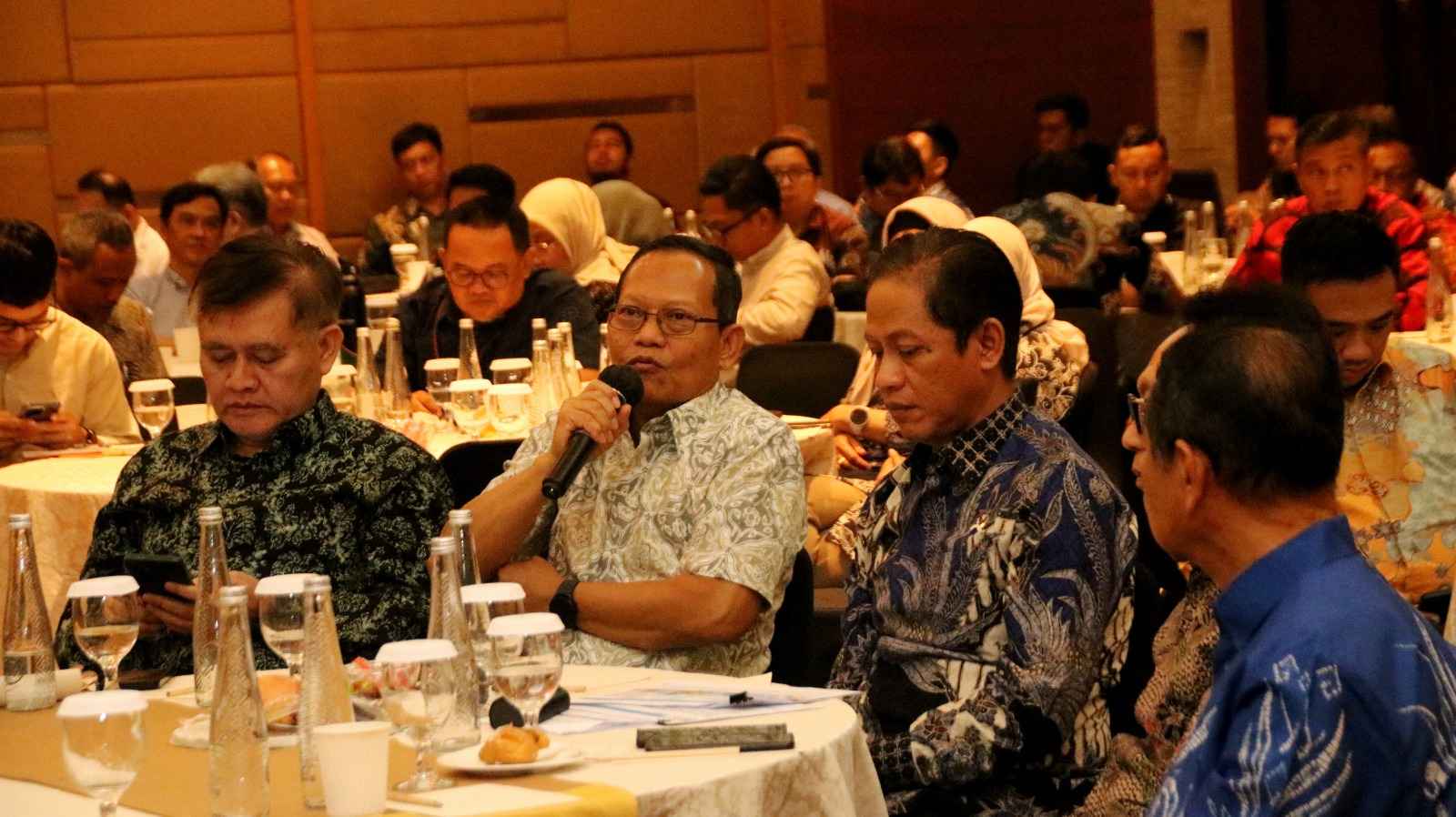
BMKG Head Dwikorita Karnawati stated that a phenomenon similar to Cyclone Seroja, which struck East Nusa Tenggara in April 2021, could recur. “We remember that in 2021, Cyclone Seroja occurred in early April, and such potential may reappear during this phase,” she said during a press conference in Jakarta, Saturday (November 1, 2025).
According to Dwikorita, rising sea surface temperatures in southern Indonesian waters are a key trigger for the formation of low-pressure systems that lead to tropical cyclones. “Warmer seas increase evaporation and storm energy,” she explained.
BMKG reported that tropical cyclones could bring strong winds, heavy rainfall, and major storms capable of triggering floods and landslides. The highest risk areas include southern Java, Bali, Nusa Tenggara, and parts of southern Maluku.
Global atmospheric activity such as the Madden-Julian Oscillation (MJO) and Rossby and Kelvin waves are also enhancing rain cloud formation in central and eastern Indonesia. This combination makes late 2025 to early 2026 a high-risk period for extreme weather.
Dwikorita added that BMKG has detected a potential weak La Niña, caused by temperature differences between the Pacific Ocean and the Indonesian archipelago. However, she emphasized that this La Niña is unlikely to have a major impact on national rainfall levels. “The increase in rainfall is more strongly influenced by warmer sea surface temperatures, not solely by La Niña,” she said.
BMKG urged local governments and communities to heighten preparedness for potential hydrometeorological disasters, including floods, landslides, and high waves. “We hope the public will not panic but remain alert and responsive to every early warning we issue,” Dwikorita advised.
With the intensifying tropical cyclone activity and warmer southern seas, Indonesia faces a phase of extreme weather that demands collective vigilance. BMKG underscored the importance of early warning systems and cross-sector coordination to minimize disaster impacts. (*)