Enviro News Asia, Jakarta — National Research and Innovation Agency (BRIN) and the Ministry of Environment and Forestry of Indonesia are intensifying efforts to strengthen the integration of carbon market systems and methodologies as Indonesia seeks to enhance the credibility and competitiveness of its national carbon trading ecosystem.
The initiative comes as Indonesia enters a critical phase in accelerating its carbon market development following the official launch of the Indonesia Carbon Exchange in 2023. Despite the progress, experts believe the country’s carbon trading performance still has significant room for expansion considering Indonesia’s vast natural carbon assets and green economy potential.
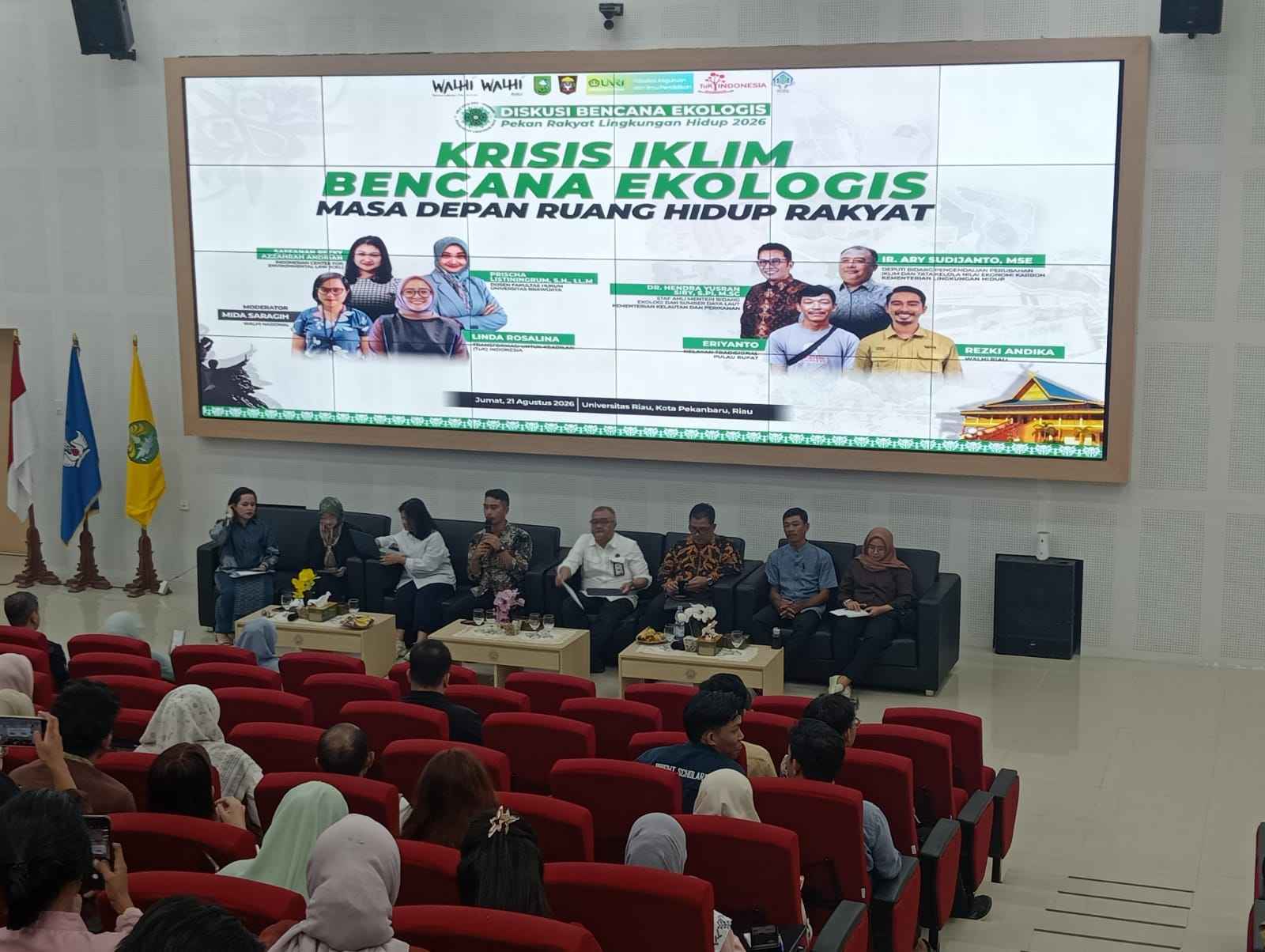
Senior Researcher at the Research Center for Ecology BRIN, I Wayan Susi Dharmawan, emphasized that system integration is essential to building a competitive and globally credible carbon market. He delivered the remarks during a webinar titled “Unlock the Carbon Market: Tactical Steps for Optimizing SRN PPI for the Private Sector” organized by BRIN’s Research Center for Behavioral and Circular Economy on Friday (8/5).
According to I Wayan, domestic carbon trading transactions currently remain relatively modest compared to Indonesia’s overall market potential.
“The current transaction value is still relatively small compared to Indonesia’s enormous natural asset potential. Business participation also remains limited, while domestic carbon prices have yet to match international market standards,” he explained.
To address these challenges, the government has established five strategic priorities, including strengthening the national carbon registry system, improving certification mechanisms, and integrating carbon trading systems. Authorities are also focusing on refining Carbon Economic Value (NEK) policies and enhancing the credibility of Monitoring, Reporting, and Verification (MRV) systems to ensure mitigation actions can be scientifically validated.
“This effort is further reinforced by the launch of Indonesia’s first international carbon trading scheme in 2025 as a gateway for global market expansion,” he added.
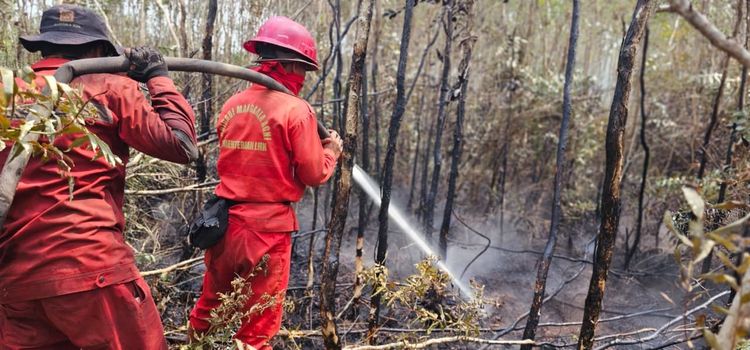
I Wayan also highlighted implementation challenges in the forestry and land sectors, which are considered technically high-risk areas for carbon projects. Among the issues frequently encountered are poor historical data quality affecting baseline accuracy, difficulties in proving additionality, as well as risks of emission leakage and reversal caused by disasters such as forest and land fires.
“Companies should not enter the carbon market without thorough preparation. Strict feasibility assessments covering economic, environmental, and institutional aspects are necessary to ensure emission reductions are significant and proportional to investment costs,” he stressed.
Meanwhile, Rully Dhora Carolyn from the Ministry of Environment explained that the government is currently developing the Carbon Unit Registry System (SRUK) under Presidential Regulation No. 110 of 2025. The new digital system will remain integrated with the National Registry System for Climate Change Control (SRN PPI).
The integration aims to create a transparent and traceable ecosystem capable of real-time monitoring. By adopting digital technologies including blockchain, the government seeks to prevent double counting and ensure interoperability with international standards such as Verra and Gold Standard.
The transformation also forms part of Indonesia’s commitment to implementing Article 6 of the Paris Agreement. Officials expect the strengthened system will not only help Indonesia meet national emission reduction targets but also provide greater legal certainty and investment security for global investors participating in Indonesia’s carbon market.
As Indonesia moves toward a more integrated carbon trading framework, BRIN emphasized the importance of strengthening technical human resources and developing clearer operational guidelines to reduce methodological risks and improve market confidence.
“With strong system readiness and credible documentation, access to the carbon market can become faster and more efficient. This is not only about fulfilling environmental obligations, but also about creating real economic benefits for sustainable development in Indonesia,” I Wayan concluded. (*)