Enviro News Asia, Cibinong — Indonesia’s National Research and Innovation Agency (BRIN) and Japanese research partners are strengthening bilateral cooperation to develop an integrated bio-circular economy by converting food and energy estate waste into biofuels and value-added biochemicals.
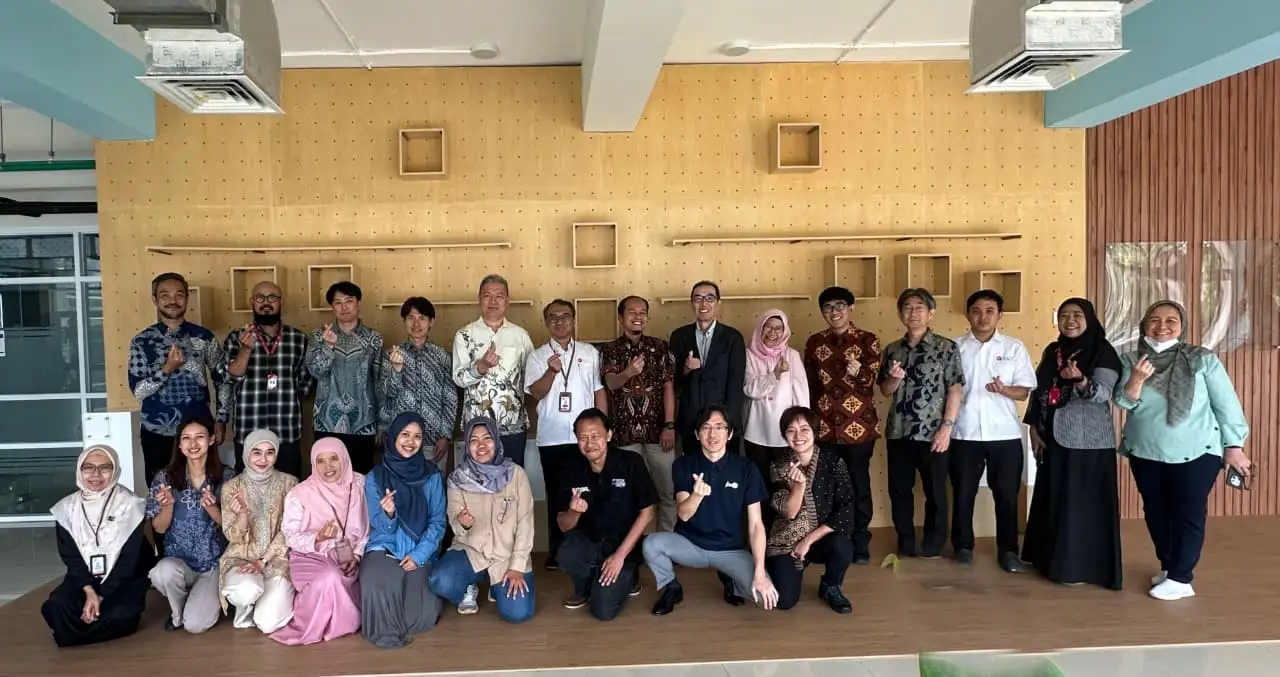
The cooperation was discussed during the 2nd Joint Coordinating Committee (JCC) Meeting of the Science and Technology Research Partnership for Sustainable Development (SATREPS) 2026, held at the B.J. Habibie National Center in the Dr. (H.C.) Ir. Soekarno Science and Technology Area in Cibinong on Wednesday.
The meeting served as a forum to evaluate project progress and formulate implementation strategies for research collaboration between Indonesia and Japan in developing biomass-based bio-circular economy technologies.
Head of BRIN’s Research Organization for Life and Environmental Sciences and Indonesian Project Director Andes Hamuraby Rozak said the JCC meeting was strategically important to ensure that the project remains on track.
“Through this meeting, we reviewed project progress, evaluated the work plan, refined the Project Design Matrix and Plan of Operation, and discussed strategic issues to ensure more effective implementation and optimal results,” Andes said.
BRIN Director of Research and Innovation Funding Arthur Ario Lelono said the SATREPS project represents an international collaboration that can contribute to the development of bioenergy and Indonesia’s Net Zero Emissions target through the conversion of biomass waste into biofuels and value-added biochemicals.
He said collaboration among BRIN, universities, industry and Japanese partners was expected to generate not only research innovations but also broader opportunities for future cooperation. BRIN is also scheduled to reopen SATREPS proposal submissions for the 2027 fiscal year.
JICA Indonesia Office Senior Representative Akira Sato said the project demonstrated strong synergy between Indonesian and Japanese researchers.
JICA, he said, has continued to support the project by providing research equipment, including High Performance Liquid Chromatography (HPLC) and Gas Chromatography (GC), as well as supporting the development of a mobile bioreactor.
“We hope this project will further strengthen cooperation between Indonesia and Japan, encourage technological innovation, and produce outputs that support sustainable bioeconomic development,” Sato said.
Japan Science and Technology Agency (JST) Research Supervisor Masaru Nakaiwa said the SATREPS project aims not only to develop new technologies but also to establish a bio-circular economy system capable of delivering environmental, social and economic benefits.
He said the project’s results were expected to contribute to reducing greenhouse gas emissions and provide part of the solution to global climate change challenges.
Meanwhile, Kobe University Project Director for the Japanese side Chiaki Ogino said the project has entered its third year of implementation, with a focus on deploying technologies in the field through the development of a mobile bioreactor.
The project is also preparing for the downstream commercialization of research results and the establishment of innovation-based startups.
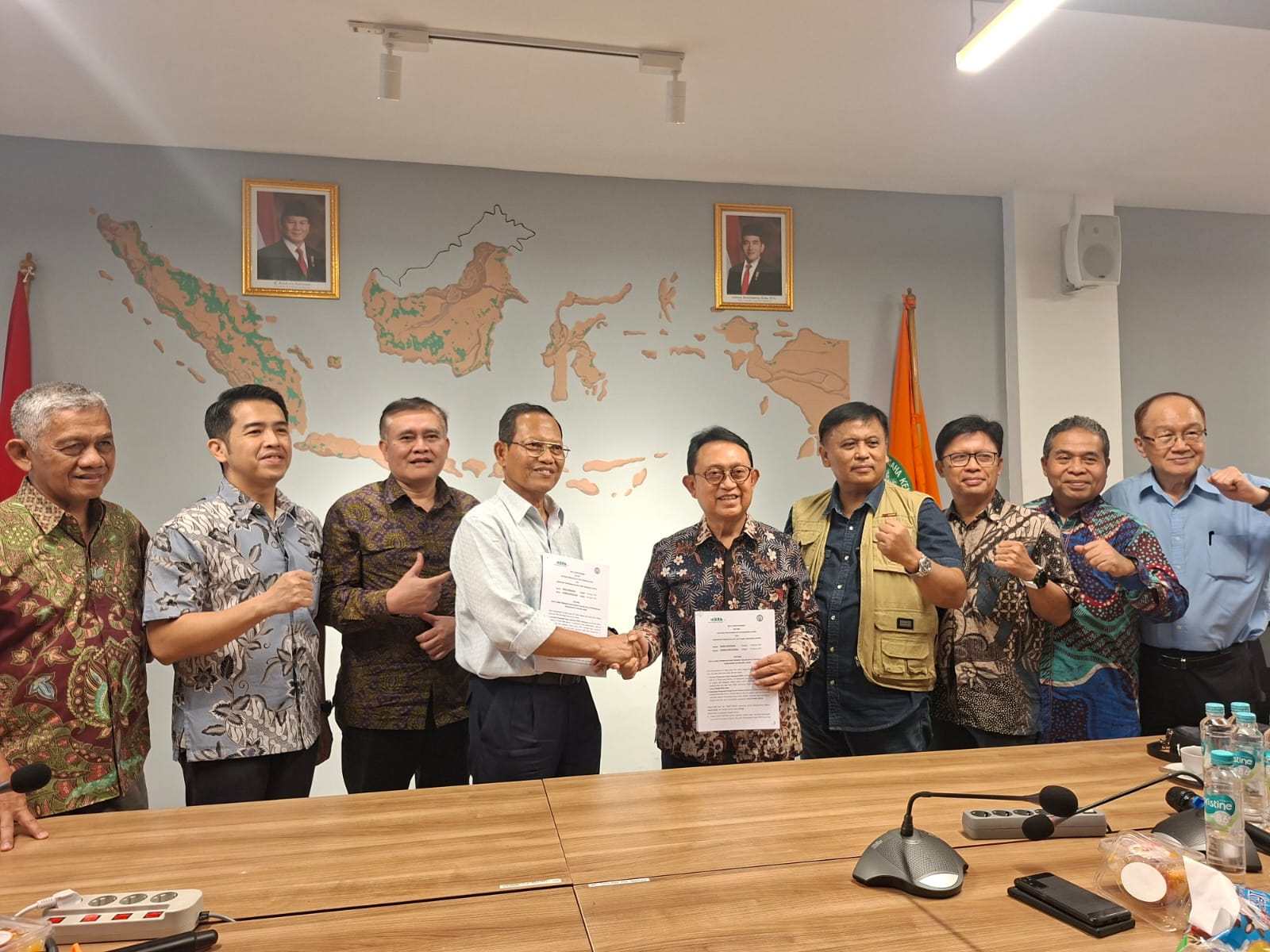
During the meeting, BRIN and the Japanese consortium also held a signing ceremony for the Certificate of Handover for the project, signed by Andes Hamuraby Rozak and Chiaki Ogino.
The signing symbolized the commitment of both sides to strengthen the implementation of the SATREPS project and advance strategic Indonesia-Japan cooperation in developing bio-circular economy technologies based on the conversion of food and plantation sector waste into biofuels and value-added biochemicals.
BRIN Head of the Research Center for Biosystematics and Evolution Arif Nurkanto expressed appreciation to all partners for their commitment and constructive discussions throughout the meeting.
He said cooperation among research institutions, universities, government agencies and industry would be essential to developing a bio-circular economy that delivers long-term benefits to society.
The 2nd JCC Meeting reaffirmed BRIN and its Japanese partners’ commitment to strengthening international research cooperation and developing bioenergy and bioeconomic innovations that support low-carbon development, a green economy and Indonesia’s energy resilience. (*)