Enviro News Asia, Bandung — Indonesia’s National Research and Innovation Agency (BRIN) is strengthening photovoltaic device research through a collaboration with Bandung Polytechnic for Manufacturing (Polman) to develop dye-sensitized solar cells (DSSC) as a potential clean and sustainable energy technology.
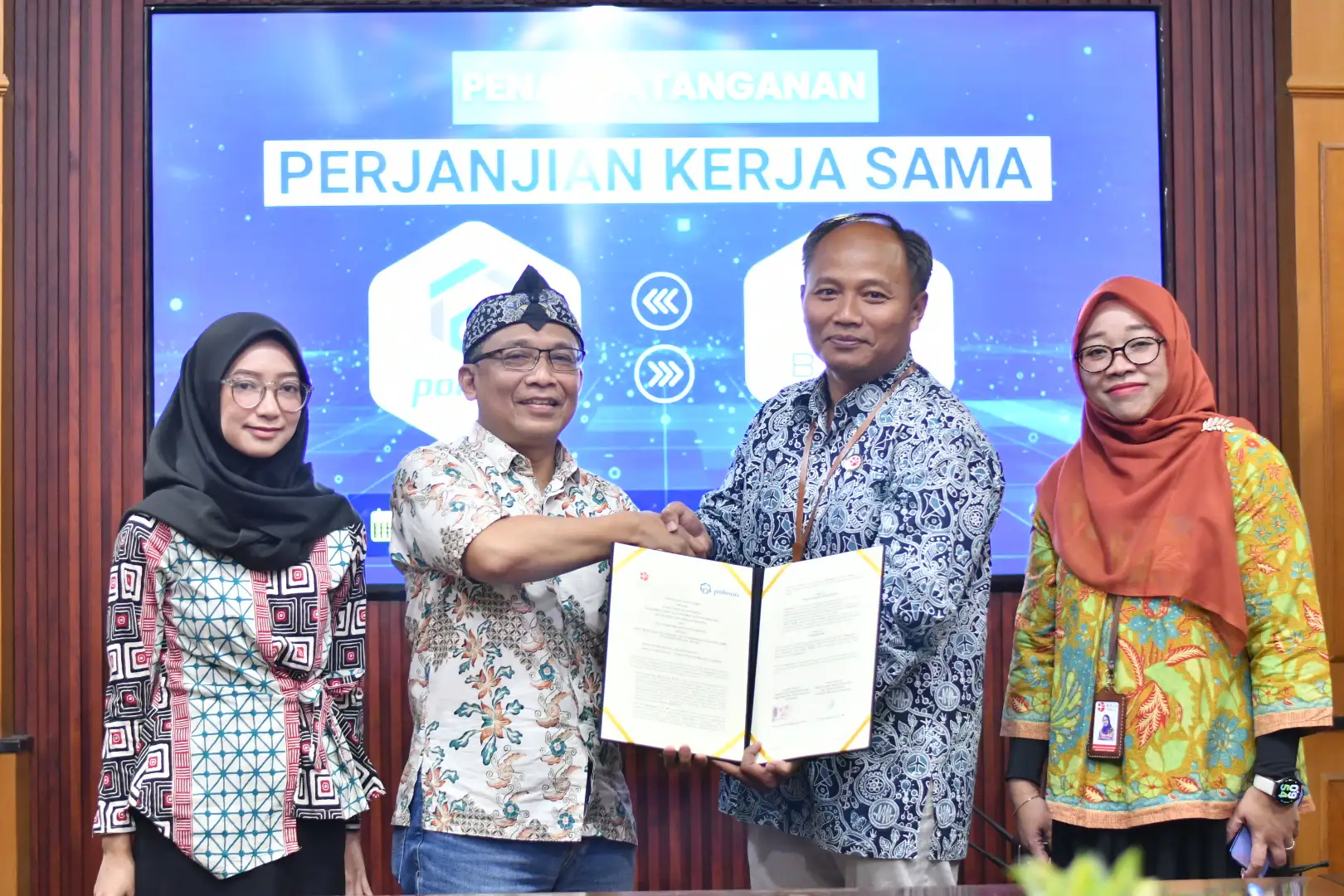
The collaboration was established by BRIN’s Electronics Research Center (PRE) and Polman on September 15, 2026, focusing on the research and development of modified photoanodes to improve DSSC performance.
Photovoltaic devices convert sunlight directly into electricity and are being explored as an alternative to energy sources dependent on fossil fuels. DSSC is a third-generation photovoltaic technology that has potential advantages including relatively low material costs, environmentally friendly energy conversion, and simpler fabrication processes compared with conventional solar cell technologies.
Under the collaboration, BRIN and Polman will conduct research, development, testing, and prototype production of DSSC technology. The work will include the development and modification of semiconductor-based photoanode materials using titanium dioxide (TiO₂).
The research will examine ways to improve the material characteristics, charge-transfer mechanisms, light absorption, and overall performance of DSSC devices.
Yusuf Nur Wijayanto, Head of BRIN’s Electronics Research Center, said collaboration with higher education institutions is important for strengthening the development and application of electronics technologies, particularly photovoltaic systems.
He said Polman’s expertise in manufacturing and mechanical engineering would be important in supporting the transition of electronic-device research from laboratory scale toward industrial applications.
“DSSC solar cell research needs support from Polman, particularly in manufacturing and mechanical aspects, to facilitate the transition of electronic-device research from the laboratory to industry,” Yusuf said.
He added that the collaboration is expected to create benefits for both institutions while contributing to the development of new and renewable energy technologies that can ultimately serve communities.
Yusuf also expressed hope that the partnership would increase the potential for research outcomes to be applied more widely while supporting continued invention, innovation, and research activities.
Polman Vice Director for Academic Affairs and Information Systems Aris Budiyarto said the collaboration could strengthen institutional ties between BRIN and Polman while contributing to the development of clean energy technology.
“Through this collaboration, we hope to further strengthen the relationship between BRIN and Polman Bandung and produce research outcomes capable of generating clean and green energy with meaningful impacts,” Aris said.
The development of DSSC technology forms part of broader efforts to expand the use of sunlight as an abundant and environmentally friendly energy resource.
By strengthening research into photovoltaic materials and devices and expanding cooperation between research institutions and universities, BRIN and Polman aim to advance solar energy technology and contribute to Indonesia’s development of new and renewable energy solutions. (*)