

Enviro News Asia, Depok — Indonesia has an estimated 83.4 million tonnes of biomass resources annually that could support the development of biohydrogen as a lower-carbon energy source, according to state-owned electricity group PLN’s energy subsidiary.
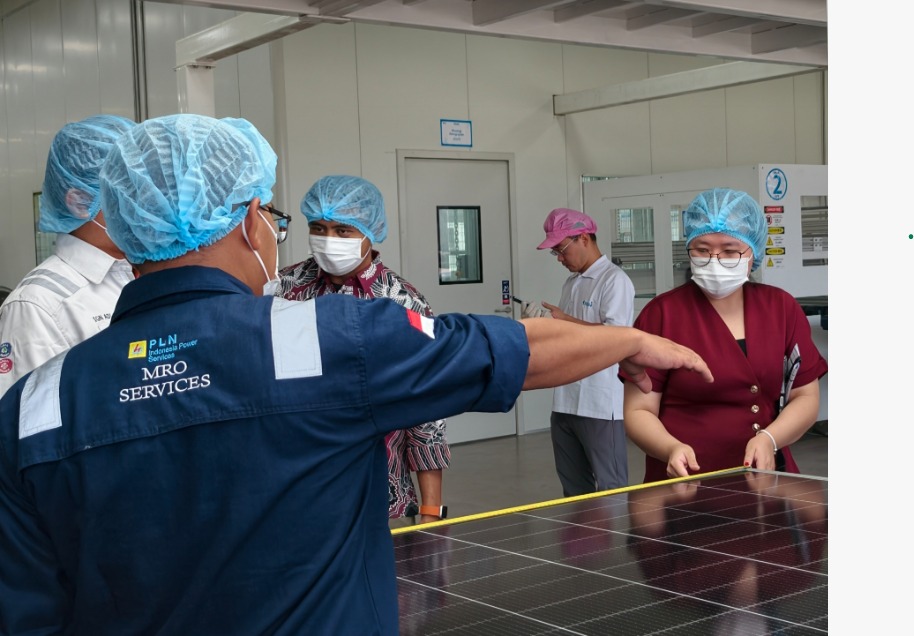
PT PLN Energi Primer Indonesia (PLN EPI) is exploring ways to convert agricultural residues, wood waste, rice husks and agro-industrial waste into biohydrogen as part of efforts to diversify the country’s energy mix, reduce dependence on fossil fuels and imports, and increase the value of domestic resources.
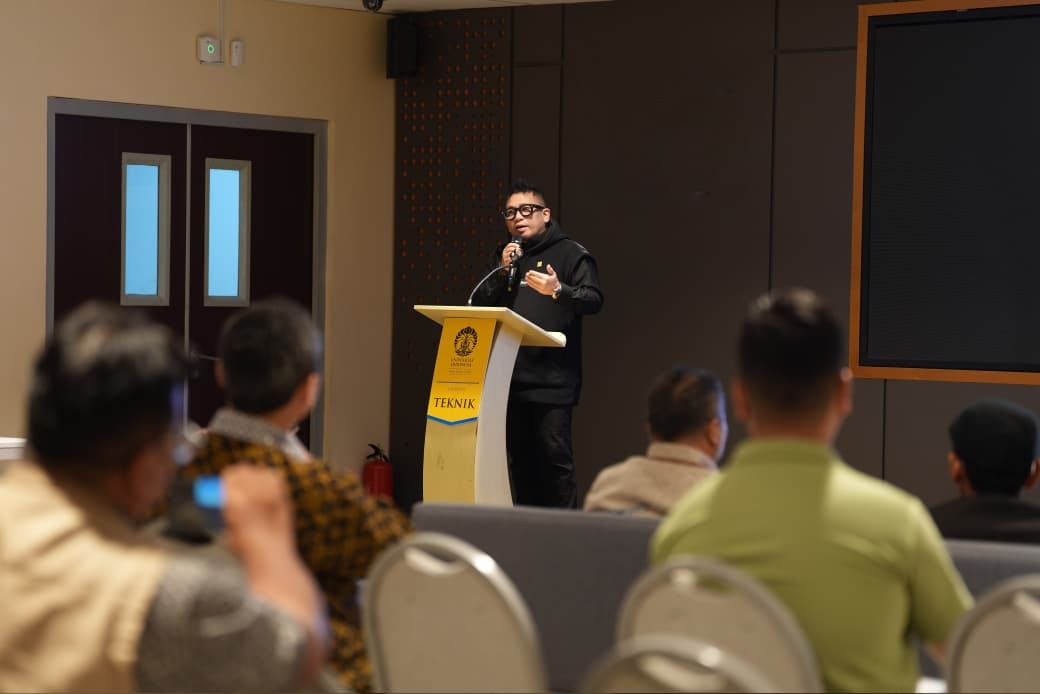
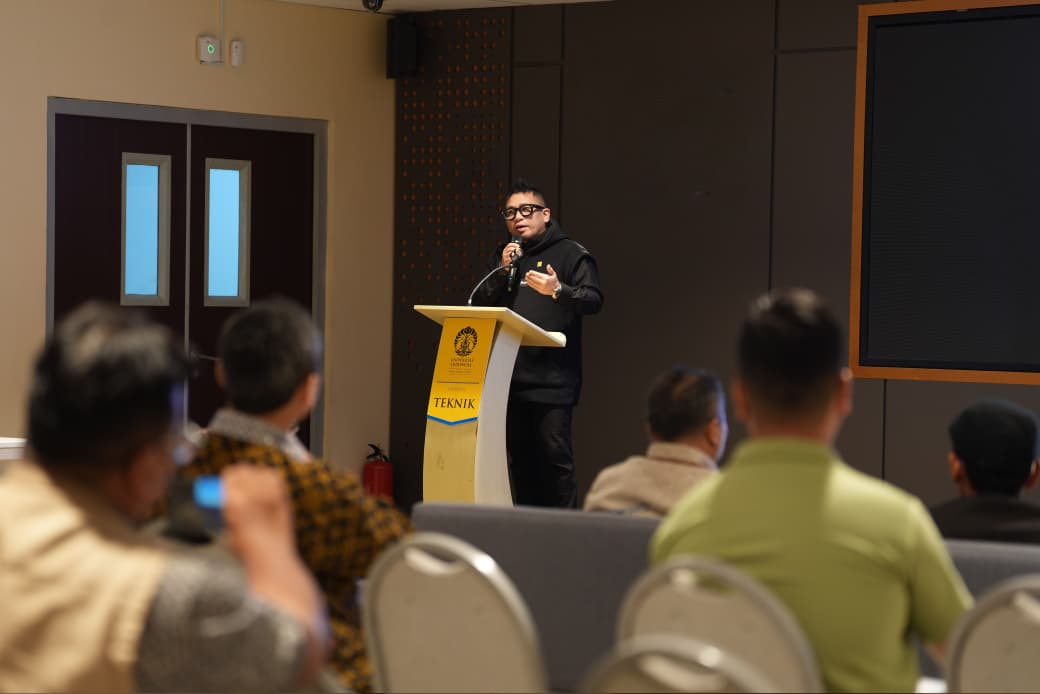
PLN EPI Biomass Director Hokkop Situngkir outlined the initiative during the Diaspora Berdampak 2026 programme, themed “Hydrogen: National Prospects and the Global Landscape,” at the Faculty of Engineering at the University of Indonesia in Depok on October 23.
According to PLN EPI’s resource mapping, Sumatra has the largest estimated biomass potential, at 42.8 million tonnes annually, followed by Kalimantan with 18.9 million tonnes and Java with 13.1 million tonnes. Approximately 60.6 million tonnes of the national total are estimated to remain unused.
Hokkop cautioned that the figures are indicative and do not yet fully account for technical feasibility, economic viability, accessibility or supply-chain readiness. Further assessments are needed to identify resources that can be developed sustainably and commercially.
Beyond using biomass for co-firing at coal-fired power plants, PLN EPI is exploring higher-value products, including biochar, synthesis gas (syngas), compressed biomethane gas (CBG), waste-management solutions and biohydrogen.
Biohydrogen can be produced by gasifying biomass to generate syngas, which is then purified to obtain hydrogen of high purity. The resulting hydrogen could serve industrial users and potentially contribute to lower-carbon energy supply chains.
However, Hokkop said abundant feedstock and available technology alone would not be enough to establish a commercially viable biohydrogen industry. Regulatory certainty, investment, production costs and market development would also be essential.
He cited the biomass co-firing programme as an example of how policy support and pricing mechanisms can provide businesses with greater certainty to develop supply chains. By contrast, CBG and hydrogen still require stronger regulatory frameworks and viable business models.
PLN EPI is assessing several partnership models, including securing biomass supplies, purchasing hydrogen from partner producers and investing jointly in production facilities. The options will be evaluated according to technological readiness, economic feasibility, feedstock availability and market demand.
The company is also exploring international partnerships to develop technology and potential markets. These include work on biohydrogen for electro-sustainable aviation fuel (e-SAF) with Singapore-based eFuels SEA, as well as studies on biohydrogen and green ammonia with China’s CISRI Hypore.
Hydrogen development forms part of PLN EPI’s bioenergy business roadmap through 2030. In 2026, the company is focusing on studies of hydrogen and ammonia supply, with subsequent plans directed towards testing applications and gradually blending hydrogen into relevant systems.
Hokkop said collaboration among government agencies, businesses, industrial users, technology partners, investors and local enterprises would be essential to connect Indonesia’s domestic resources with the technology, financing and demand needed to develop the sector.
By advancing biohydrogen, PLN EPI aims to expand biomass use beyond conventional fuel applications towards higher-value energy products. The company says appropriate regulation, investment, technology and market development could help turn Indonesia’s biomass resources into part of a lower-carbon energy ecosystem while strengthening national energy security and self-reliance. (*)