Enviro News Asia, Jakarta – Indonesia’s Minister of Environment and Head of the Environmental Control Agency, Moh Jumhur Hidayat, said climate action should be viewed as a future business opportunity rather than a burden, emphasizing that emissions reduction can strengthen industrial competitiveness while supporting the transition to a low-carbon economy.
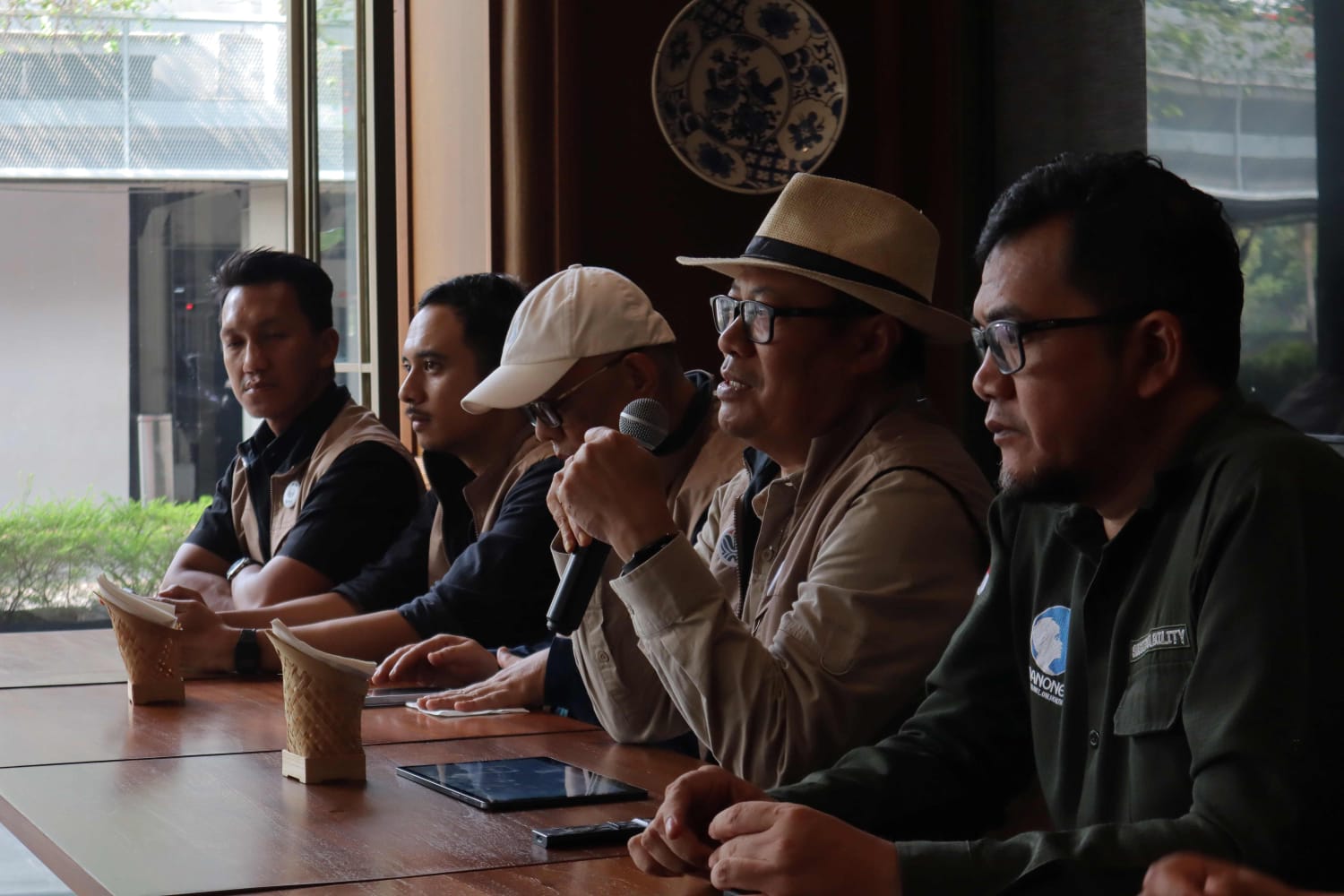
Speaking at Pertamina’s HSSE Leadership Forum Q2 2026, themed Managing Climate Risk in Oil and Gas Business: Strengthening Resilience and Sustainability Across the Value Chain, Jumhur stressed that climate-related risks have become business risks that require strategic responses from companies.
“Climate risk is business risk. Reducing emissions is not only about protecting the environment but also about creating investment opportunities, carbon trading, and low-carbon technological innovation,” he said.
The minister noted that the global transition toward net-zero emissions is accelerating, driving increasing demand for green investment. He said Indonesia is well positioned to benefit from this shift through its vast natural assets, including tropical rainforests, mangrove ecosystems, peatlands, and rich biodiversity.
According to Jumhur, these natural resources not only provide ecological services by absorbing carbon but also hold significant economic value when managed through sustainable mechanisms.
He highlighted Indonesia’s mangrove ecosystems as one of the country’s greatest climate assets, noting that more than 700,000 hectares of mangroves still require rehabilitation. Restoring these areas, he said, could improve environmental quality while creating investment opportunities through carbon markets.
“Planting mangroves is not only about protecting the environment, but it can also generate economic value through carbon trading. This is an opportunity that the national business sector should seize,” he said.
Jumhur also pointed to emissions reduction opportunities from approximately 400 open dumping sites across Indonesia. He explained that methane generated from unmanaged waste could be captured and utilized as an energy source while generating additional revenue through carbon trading.
“If methane emissions are properly managed, we gain two benefits at once: a cleaner environment and economic opportunities through methane utilization and carbon trading,” he said.
The minister praised Pertamina Group for advancing its decarbonization agenda through energy efficiency programs, mangrove restoration, low-carbon technology development, and Carbon Capture and Storage (CCS) initiatives.
He said these efforts demonstrate that environmental protection and business growth can go hand in hand, adding that companies capable of managing climate risks will be better positioned to compete in the evolving global economy.
Jumhur emphasized that successful industrial decarbonization depends not only on technology but also on leadership committed to environmental responsibility.
“Every leader must possess environmental ethics. Business decisions should balance economic growth with environmental sustainability,” he said.
In line with Indonesia’s national climate strategy, the Ministry of Environment continues to encourage businesses to accelerate decarbonization by expanding carbon trading, reducing methane emissions, implementing nature-based solutions, and adopting low-carbon technologies.
Closing his remarks, Jumhur urged businesses to integrate climate risk management into their long-term corporate strategies rather than treating it solely as a regulatory obligation.
“Companies that manage climate risks today will become more resilient, more competitive, and better prepared for future challenges,” he said. (*)