

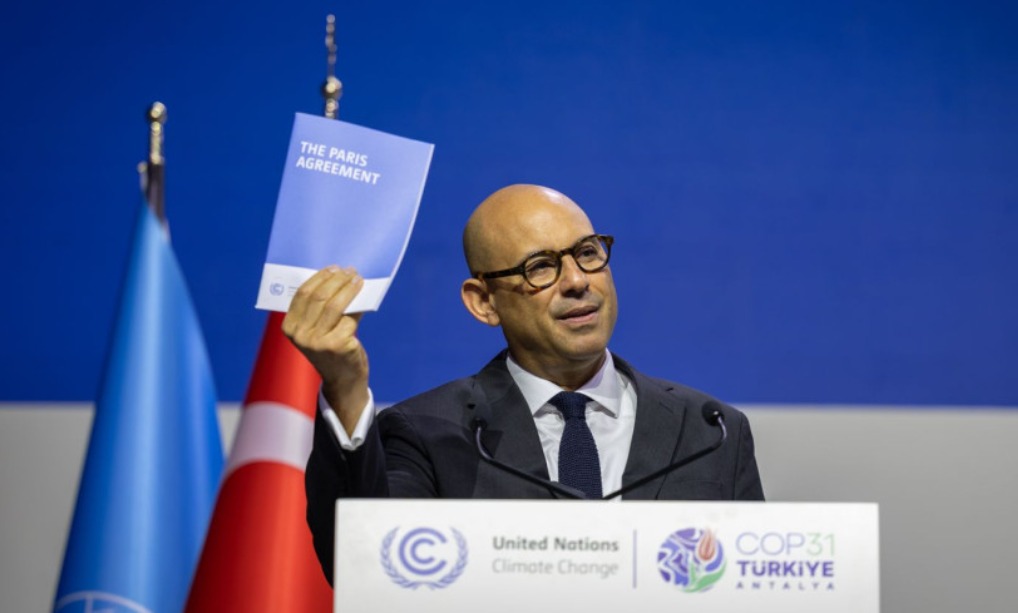
Enviro News Asia, Antalya — The 31st United Nations Climate Change Conference (COP31) in Antalya, Türkiye, opened with calls for climate negotiations to move beyond signals and targets and deliver practical solutions. UNFCCC Executive Secretary Simon Stiell described the conference as part of an “era of implementation.”
Since the adoption of the Paris Agreement, Stiell said, COP conferences have sent signals to political systems and global markets, helping make large-scale renewable energy projects cheaper than fossil fuel alternatives in 90 percent of cases.
“However, progress remains far from sufficient and far from fair,” he said during the opening of COP31, which runs from November 9 to 20, 2026, in Antalya, Türkiye.
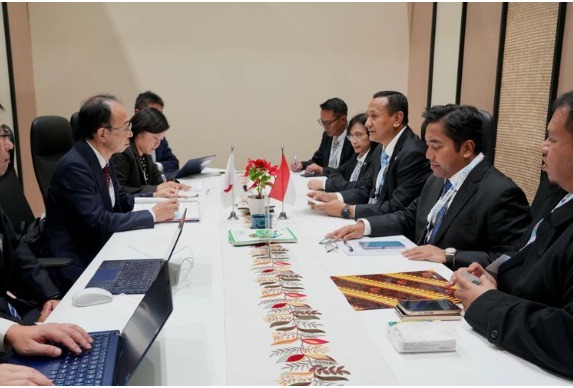
The conference brings together high-level delegates from around 200 countries and also serves as the eighth meeting of the Parties to the Paris Agreement (CMA 8). Negotiators, scientists, civil society representatives, and youth delegates are attending the conference, which includes an agenda to turn commitments made at COP30 in Belém into concrete action.
Stiell urged COP31 to translate global targets and national plans into practical steps. These include implementing the agreement to triple adaptation finance, simplifying access to pledged funding, and tripling global renewable energy capacity by 2030.
He also emphasized the need to cut methane emissions, particularly from the oil and gas and waste sectors. According to Stiell, action on methane and electrification could reduce projected global warming by half a degree.
On the negotiation track, he expressed hope for agreements on the Just Transition Mechanism, adaptation, mitigation, and climate finance. These discussions should also clarify how to deliver the US$300 billion and US$1.3 trillion climate finance commitments without reopening previously agreed arrangements.
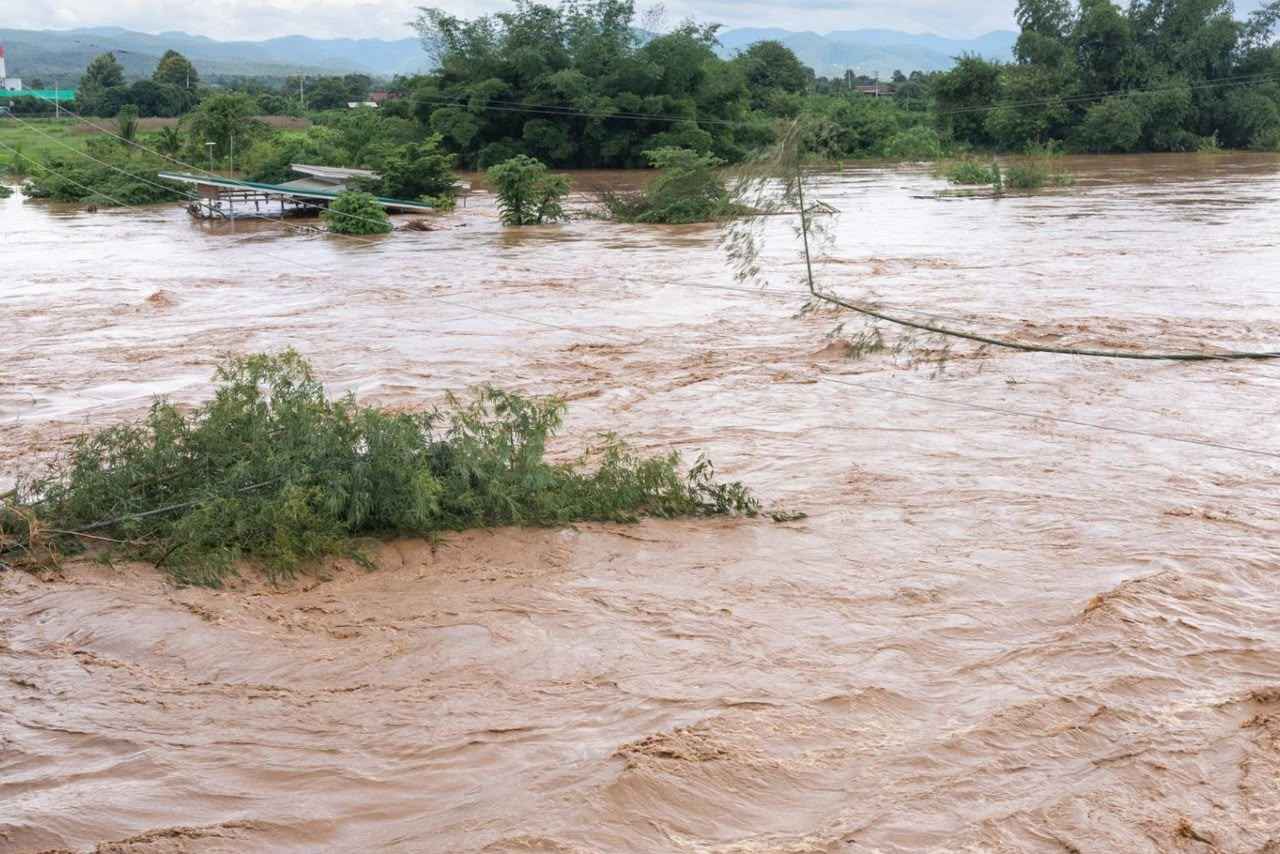
Stiell also warned of mounting pressure from the climate crisis. He referred to tragedies in the Himalayan region, an El Niño phenomenon he described as a “monster,” and this year’s fossil fuel cost volatility, which has placed pressure on households and fueled inflation.
At the same time, global renewable energy saved approximately US$500 billion last year and a further US$265 billion in the first half of this year.
He also acknowledged that the UNFCCC is facing budgetary challenges.
“Mandates are growing, while funding is shrinking,” he said.
COP31 President Murat Kurum described a rapidly changing world marked by wars, geopolitical tensions, economic uncertainty, debt burdens, and rising living costs.
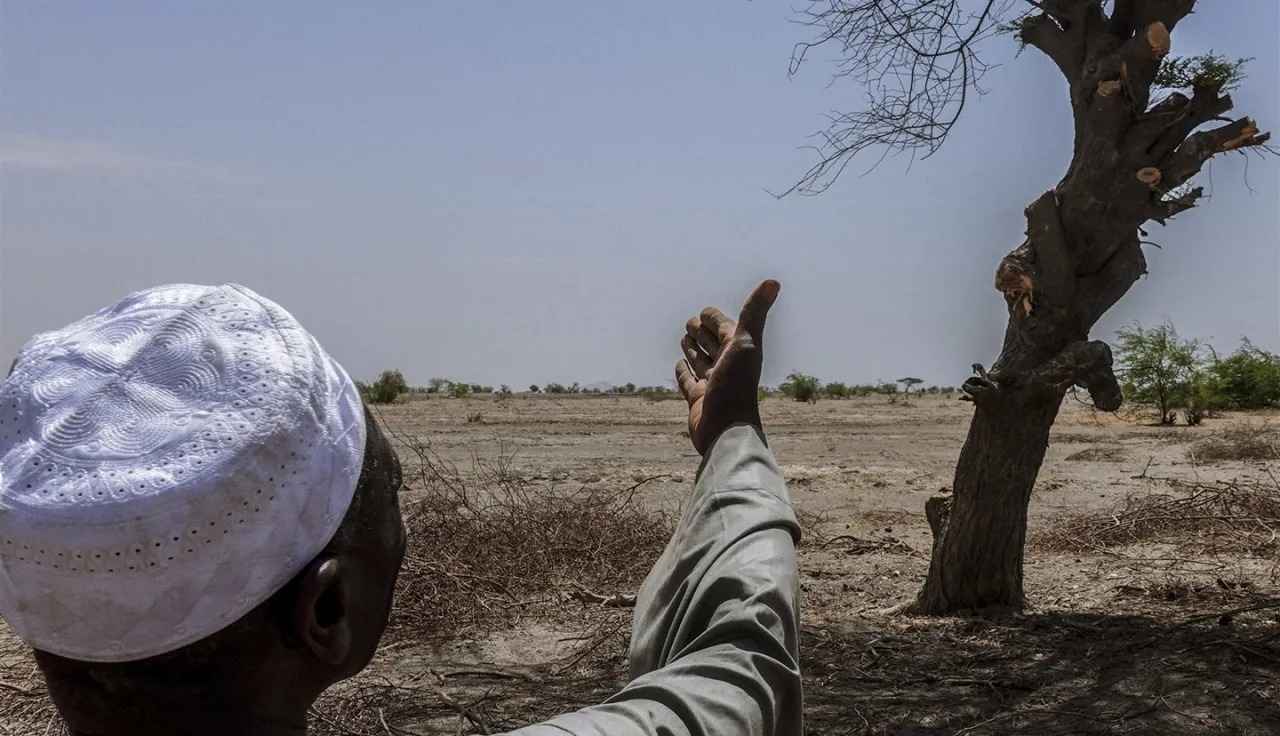
He said the world now lives under the same “climate calendar,” meaning that drought in one region can affect food supplies and household budgets in another.
Kurum introduced the “Antalya Call,” urging countries to strengthen dialogue amid growing divisions, rebuild trust, mobilize resources, and close the gap between political pledges and people’s everyday lives.
Three principles will guide his COP31 presidency: dialogue, consensus, and action, with the 1.5-degree Celsius target remaining the guiding benchmark.
Kurum outlined the Global 35-by-35 Electrification Pledge, which aims to increase electricity’s share of final energy consumption to 35 percent by 2035.
He also introduced the Climate Implementation Bridge, an initiative designed to connect investors with projects, countries in need of technology with technology providers, and local needs with global capabilities.
Drawing on the spirit of imece, a Turkish tradition of collective cooperation, Kurum expressed hope that Antalya would be remembered for the work initiated there.
“If we want to share a future, we must share responsibility for that future,” he said. (*)