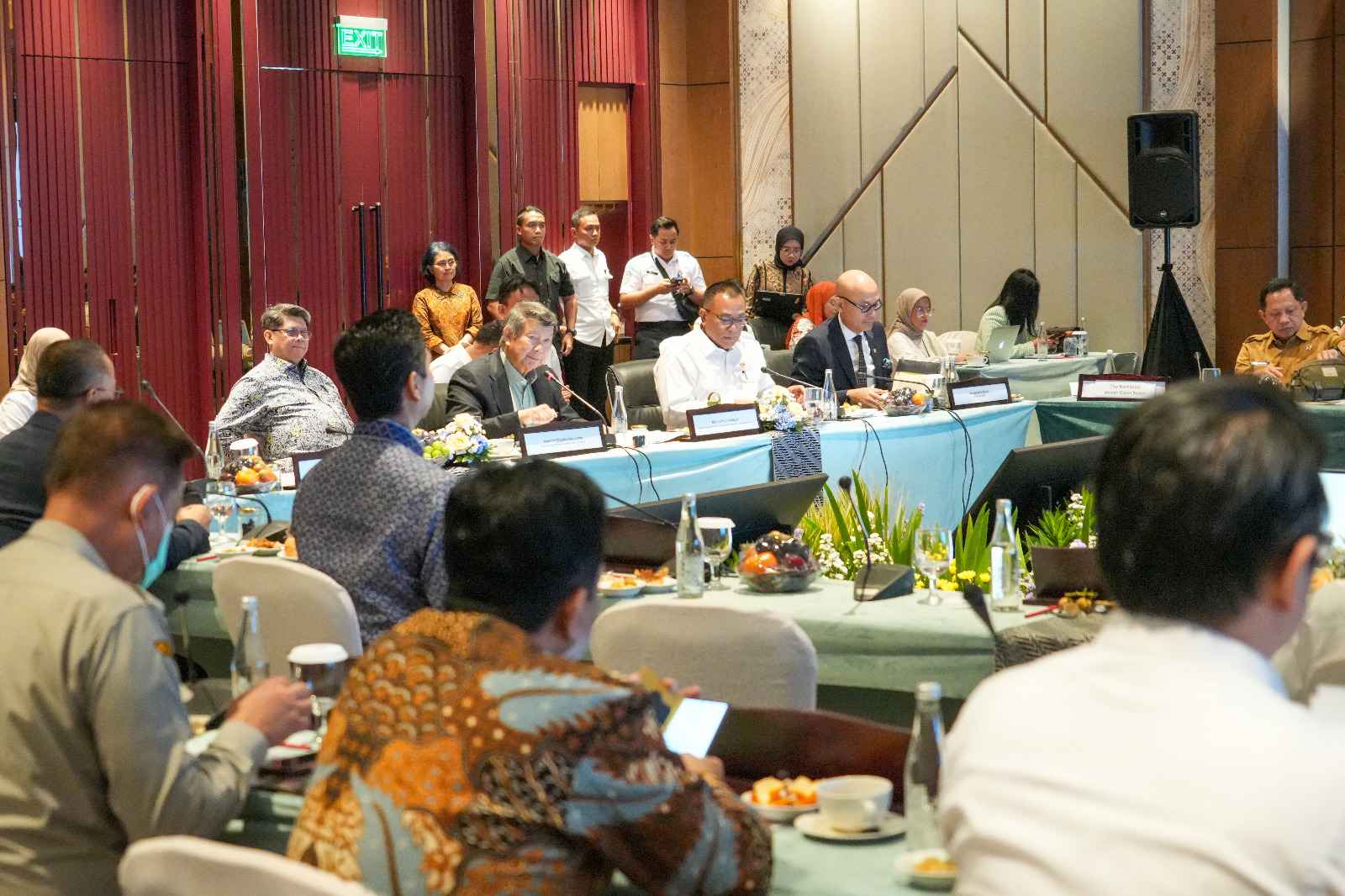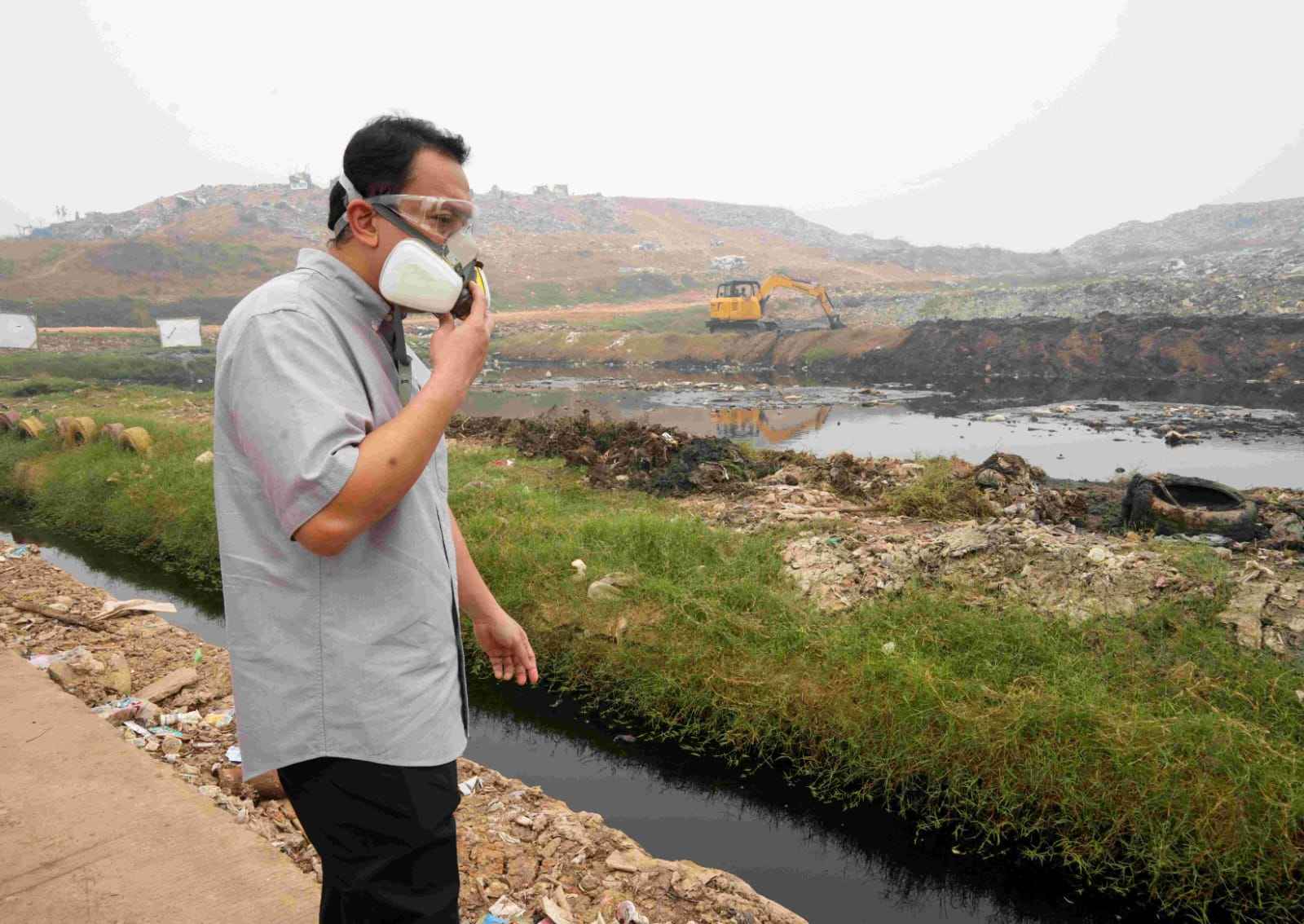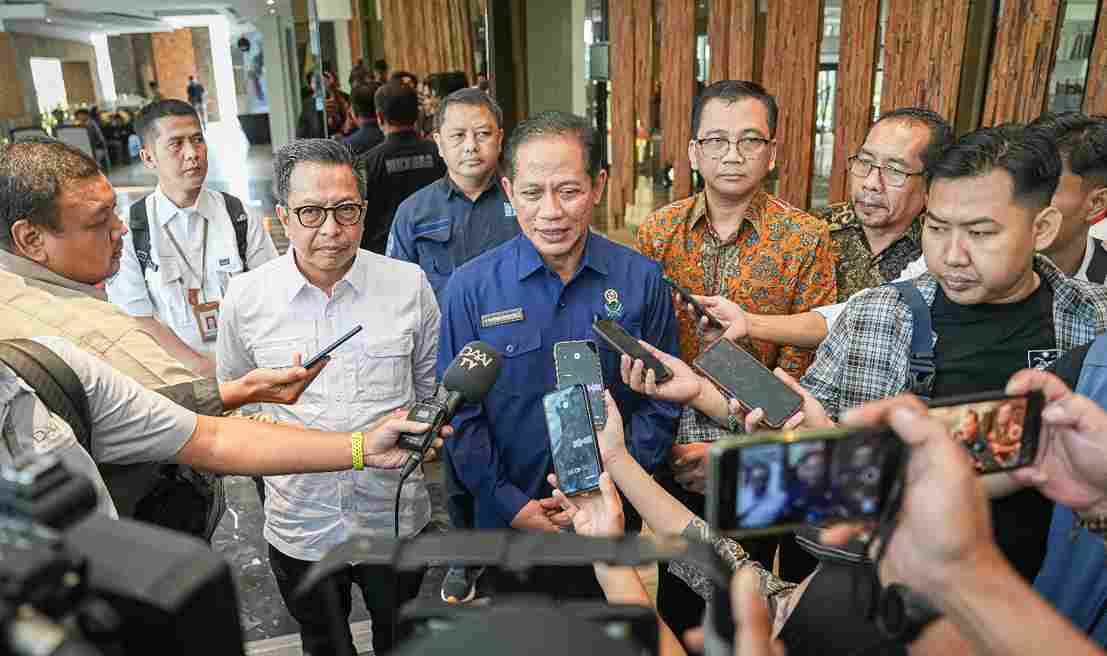
Enviro News Asia, Jakarta – To strengthen environmental monitoring in industrial areas, the Minister of Environment and Head of the Environmental Control Agency (KLH/BPLH), Hanif Faisol Nurofiq, conducted a working visit and on-site verification to the Jababeka Industrial Estate in Cikarang, West Java.
This initiative is part of a strategic evaluation of industrial zones that significantly contribute to the national economy but also pose a high risk of pollution and environmental degradation.
During the visit, Minister Hanif emphasized that environmental management in industrial zones is a shared responsibility—not only of the tenants but also of the area managers.
“Industrial areas are not just economic spaces but also ecological zones. If not managed responsibly, environmental damage will directly affect people’s lives,” said Minister Hanif in an official statement.
PT Jababeka Tbk, which has managed the estate since 1989, is known as a pioneer of open industrial zones in Indonesia.
The estate covers 5,600 hectares and houses 766 active tenants across various sectors including automotive, chemicals, metals, food, pharmaceuticals, and warehousing.
Of those tenants, 274 have accounts in the Environmental Electronic Reporting Information System (SIMPEL), but only 69 are recorded as emission producers from 228 chimneys.
In the 2023–2024 Corporate Performance Rating Program (PROPER), 46 Jababeka tenants participated, with 1 company rated GREEN, 29 rated BLUE, and 16 rated RED. In 2025, the number of participants rose to 51, including five new companies.
Although PT Jababeka Infrastruktur has received a GREEN rating in PROPER several times, KLH/BPLH stated that the tenant coaching and supervision system still needs to be improved—reflecting a broader challenge common in industrial zones across Indonesia.
As part of policy reform, the Minister of Environment/Head of BPLH issued Ministerial Letter No. S.269/A/F/PKL/3.11/B/04/2025, dated April 23, 2025, mandating all industrial estate managers to operate an Automatic Wastewater Monitoring System (SPARING) integrated with KLH/BPLH’s SIMPEL system.
They must also ensure that Wastewater Treatment Plants (WWTPs), both at the estate and tenant level, operate optimally according to quality standards.
In addition, the Ministry of Environment requires tenants producing emissions to install a Continuous Emission Monitoring System (CEMS) and report emissions data online to KLH/BPLH.
They must also establish Ambient Air Quality Monitoring Stations (SPKUA) for real-time monitoring of cumulative impacts.
Environmental data must then be published regularly on official websites and on-site environmental information boards.
The ministry also requires the activation of environmental communication forums with surrounding communities as a form of transparency and accountability.
All waste, including hazardous and toxic waste (B3), must be managed by licensed parties and audited regularly.
Furthermore, each tenant must appoint a certified environmental officer and report environmental performance regularly to KLH/BPLH and regional authorities.
KLH/BPLH emphasized that evaluations of industrial zones will be strengthened through integrated electronic reporting systems, real-time data-based monitoring, and stricter PROPER assessments.
“Achieving a GREEN PROPER rating in industrial areas is no easy feat. I highly appreciate Jababeka’s efforts and hope we continue to work together to improve the quality of environmental management and meet the jointly established standards,” Minister Hanif said.
The Jababeka Industrial Estate is set to become the pilot model for industrial environmental oversight reform to be replicated in other industrial zones across Indonesia.
KLH/BPLH is committed to ensuring that every industrial area becomes part of the environmental solution, not the source of environmental problems. (*)