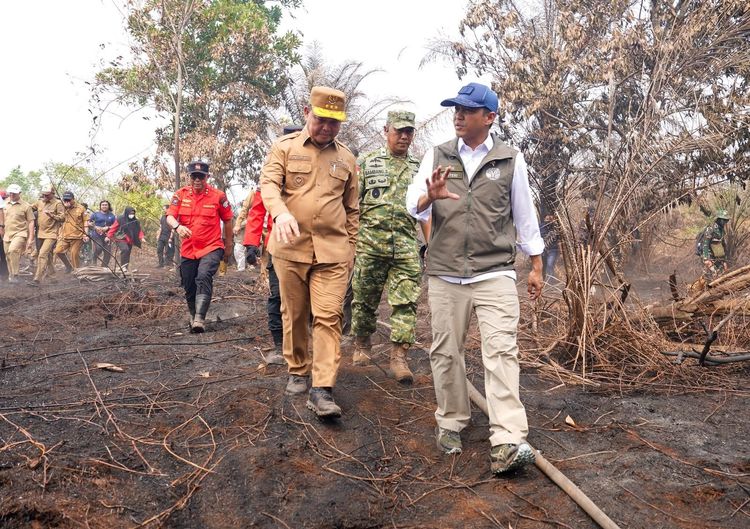
Enviro News Asiia, Jakarta – Human activities remain a dominant factor behind forest and land fires (karhutla) in Indonesia, while El Niño and increasingly dry conditions are exacerbating the risk and accelerating the spread of fires.
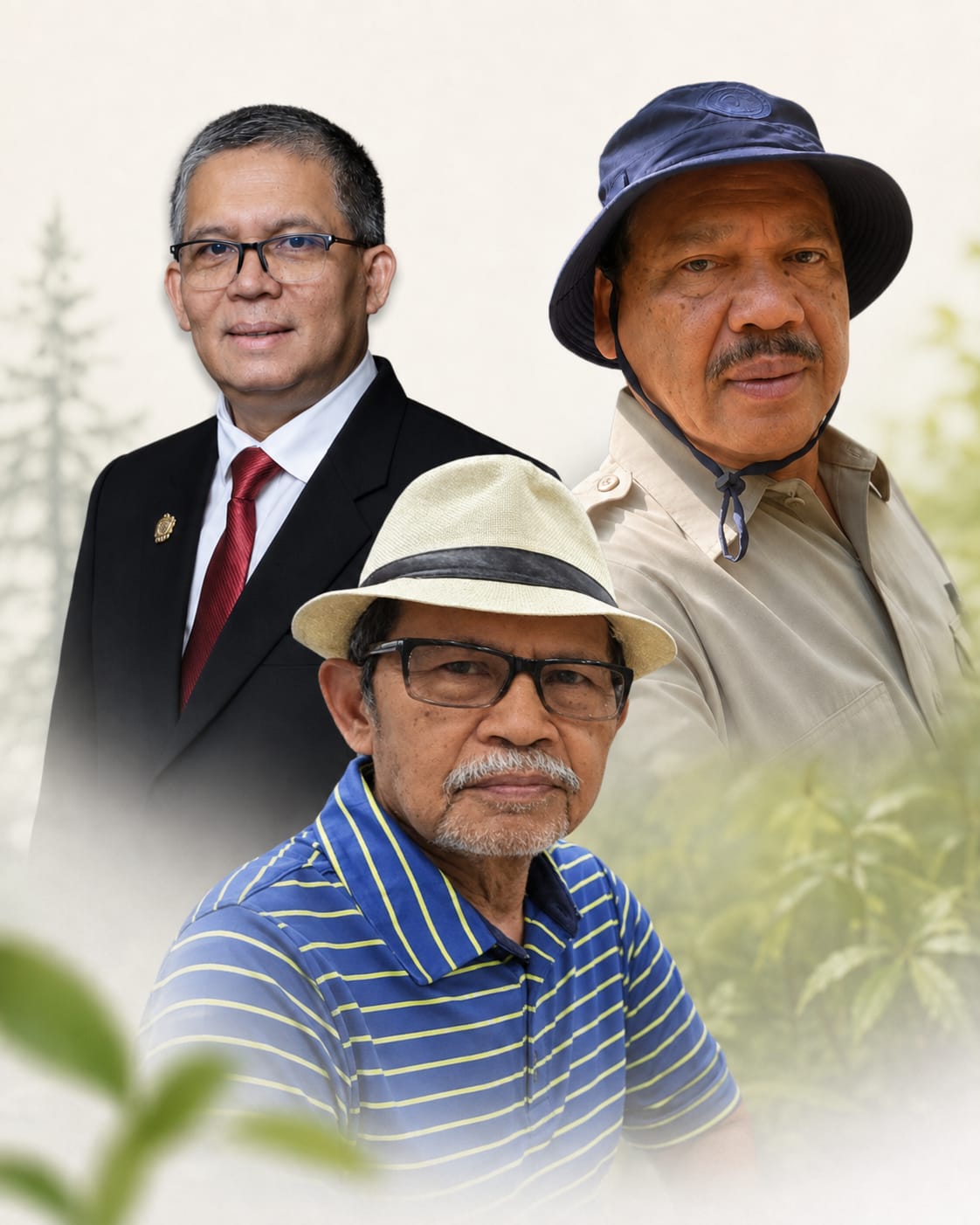
Asep Karsidi, a weather modification technology (TMC) expert and Geography lecturer at the University of Indonesia, said Indonesia was experiencing increasingly intense dry-season conditions in August 2026. Based on assessments by the Meteorology, Climatology and Geophysical Agency (BMKG) and the National Oceanic and Atmospheric Administration (NOAA), 76.5 percent of Indonesia’s seasonal climate zones had entered the dry season, while low rainfall was prevailing across 90.79 percent of the country.
“Indonesia is facing a combination of an active dry season, very strong El Niño conditions, and a tendency toward a positive Indian Ocean Dipole. These conditions reduce cloud and rainfall formation, making vegetation and peatlands more vulnerable to fire,” Karsidi said.
He emphasized that climate conditions do not directly ignite fires but act as an intensifying factor that makes fires more likely to occur, spread rapidly, and become more difficult to control.
“The main cause of forest and land fires is human behavior, including land clearing through slash-and-burn practices,” Karsidi said.
He urged South Sumatra, Riau, Jambi, and parts of Kalimantan to strengthen preparedness through hotspot monitoring, patrols, and improved firefighting readiness.
Karsidi also highlighted legal provisions that provide limited exemptions from restrictions on land clearing by burning for communities practicing local wisdom.
“The exemption is limited to a maximum of two hectares per household, must be used to plant local varieties, and must be equipped with firebreaks to prevent the spread of fire. This provision needs to be carefully monitored because it carries significant risks,” he said.
Forest and land fire expert Raffles B. Panjaitan said most fires were also associated with human activities, including land clearing through burning, negligence in the use of fire, and uncontrolled burning.
“El Niño does not start a fire. A fire still requires an ignition source. Therefore, prevention cannot rely solely on monitoring technology, patrols, and firefighting equipment. It must also address the behavior of people operating in fire-prone areas,” Raffles said.
Raffles also pointed to the provision allowing traditional burning practices on areas of up to two hectares per household under Law No. 32 of 2009. He stressed that the provision should not be interpreted as a general authorization to burn land.
He said its implementation should be regulated in greater detail through regional regulations and stricter technical requirements, including provisions on local crop varieties, firebreaks, direct supervision, and field-level control to prevent fires from spreading.
“The two-hectare provision is not a free license to burn. When weather conditions are extremely dry and fire danger is high, the use of fire must be strictly controlled. Local practices must not result in widespread fires and public losses,” Raffles said.
He also raised concerns about resistance from some residents, including groups claiming customary land authority, toward firefighting teams entering affected areas. Such access restrictions could delay the response of the Indonesian Military, National Police, Manggala Agni firefighting teams, community fire brigades, local governments, and company firefighting units.
Raffles stressed that the situation should not be generalized to all Indigenous communities. However, access-related issues must be addressed because the speed of the initial response is critical to successful fire suppression.
“Obstructing firefighters is extremely dangerous. Land disputes or customary rights claims must be resolved through separate mechanisms and must not prevent emergency action to protect people and the environment,” he said.
Meanwhile, sustainability communication expert and Rector of Universitas Pembangunan Nasional “Veteran” Jakarta, Prof. Anter Venus, said addressing forest and land fires requires a participatory communication approach that respects Indigenous communities while emphasizing shared responsibility for fire prevention.
According to Venus, resistance to firefighting efforts could contribute to the expansion of fires. Intensive communication is therefore needed to help communities understand the risks and consequences of obstructing firefighting operations.
“Indigenous communities should not be treated as collectively responsible for the fires. They must be positioned as an important part of the solution. However, respect for customary rights must go hand in hand with the responsibility to prevent fires and provide access to firefighting teams during emergencies,” Venus said.
He said prevention strategies should involve village heads, customary leaders, religious leaders, women, youth, and farmers as trusted community communicators.
Prevention messages should also be delivered in local languages and focus on practical solutions that communities can implement. According to Venus, messages based solely on fear or threats could instead generate resistance.
“Messages that only create fear tend to trigger resistance. Communities need to understand the risks associated with obstructing firefighting efforts. Therefore, public education is needed regarding the potential impacts and risks,” Venus said.
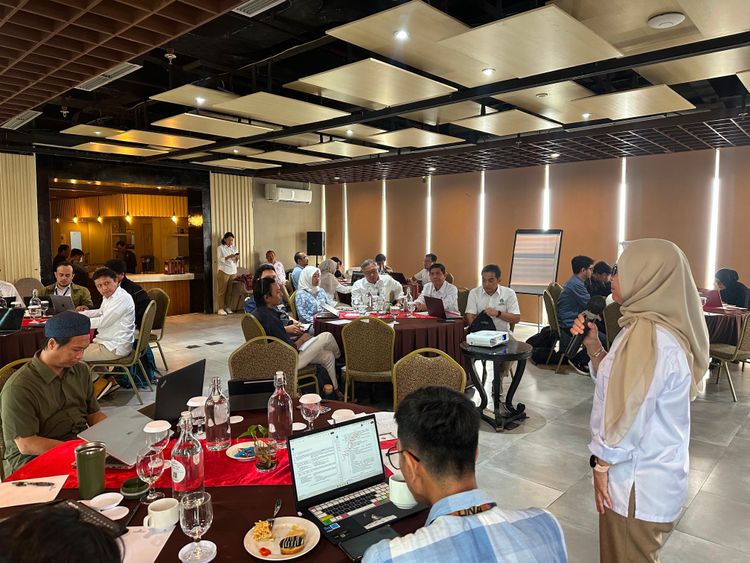
With the dry season continuing, the experts called for forest and land fire prevention to be strengthened at the village level through integrated patrols, stricter control of fire use, peatland wetting, adequate water supplies, culturally based communication, and guaranteed rapid access for firefighting teams during emergencies.
These measures, they said, should be implemented alongside hotspot monitoring, personnel and equipment readiness, law enforcement, and stronger collaboration among government agencies, communities, businesses, and other stakeholders to reduce the risk of forest and land fires. (*)