Enviro News Asia, Antalya — Indonesia has outlined three principles for climate governance, calling for environmental integrity, economic resilience and social inclusion to guide global efforts to address climate change.
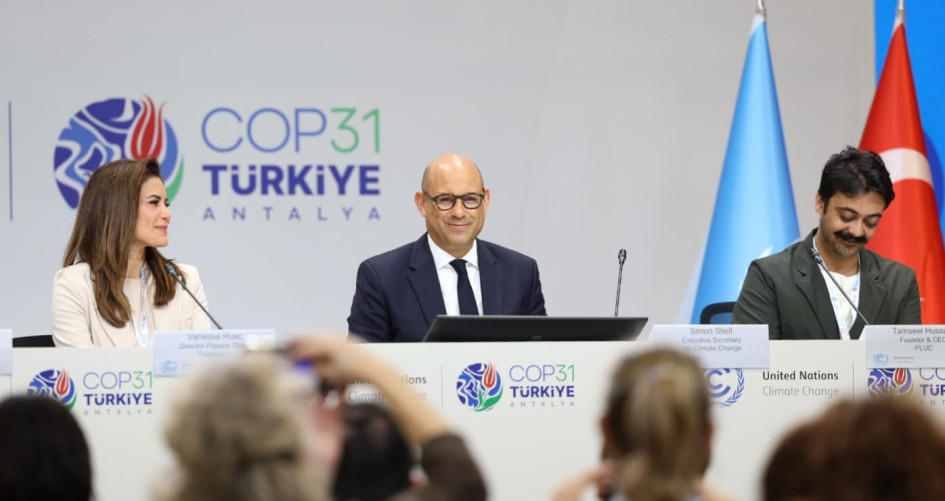
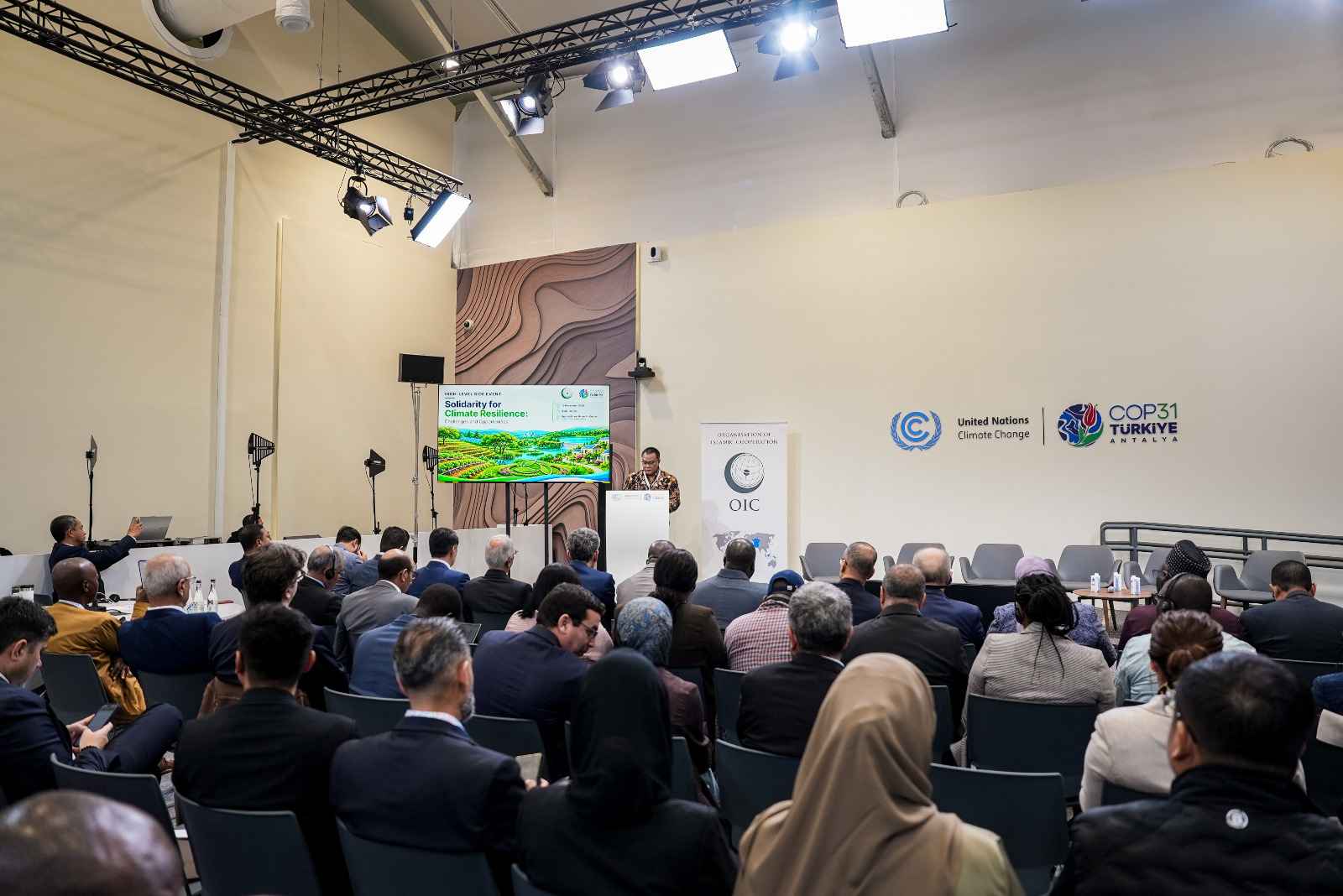
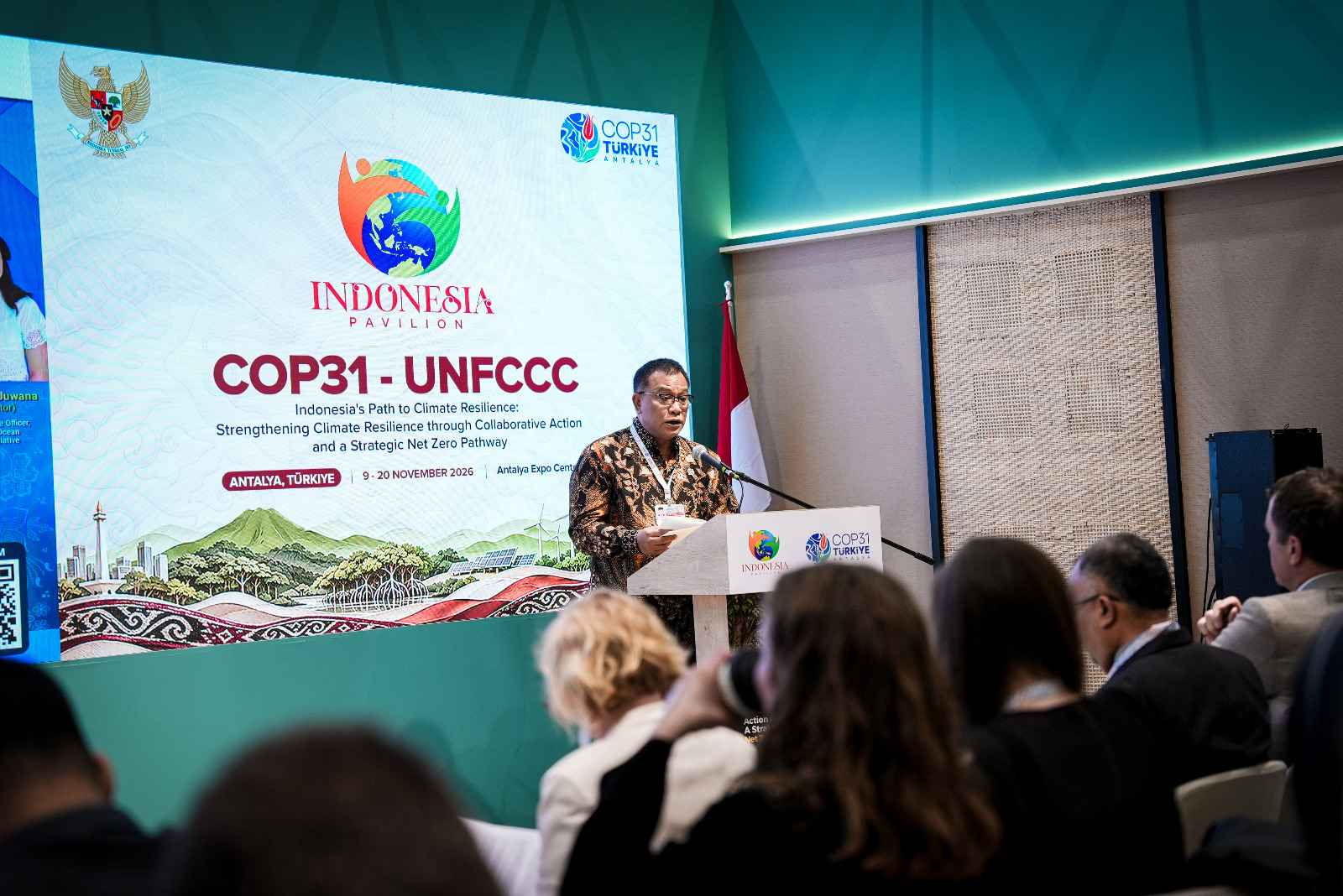
Environment Minister and head of the Environmental Control Agency (KLH/BPLH) Moh Jumhur Hidayat presented the principles at a high-level meeting titled “Indonesia’s Vision for a Just Climate Governance” at the Indonesian Pavilion during the COP31 climate conference in Antalya, Türkiye, on Nov. 13, 2026.
Jumhur said climate policies must deliver measurable results while protecting the rights and welfare of communities affected by environmental changes.
“We are building climate governance that is not only effective, but also fair, inclusive and accountable to the people it serves,” he said.
He stressed that environmental protection and human welfare were closely linked, arguing that healthy forests, oceans, land and water resources were essential to national prosperity and economic growth.
Indonesia is pursuing its climate agenda through its Nationally Determined Contribution (NDC), National Adaptation Plan (NAP), FOLU Net Sink 2030 target and carbon economic value instruments.
Jumhur identified environmental integrity as the first foundation, emphasizing the protection of forests, peatlands, mangroves and coastal ecosystems. These areas play a role in supporting food and water security and reducing disaster risks.
The second principle, economic resilience, calls for climate action to support sustainable growth through the energy transition, green industrial development, climate-smart agriculture and new job opportunities.
The third, social inclusion, puts communities at the centre of policymaking. It includes ensuring a just transition, respecting the rights of Indigenous peoples and local communities, promoting gender equality and expanding access to climate justice for vulnerable groups.
The government is also preparing a draft bill on just climate change governance to provide a long-term legal framework that balances the interests of people and the environment.
At the same meeting, Deputy Speaker of the People’s Consultative Assembly Eddy Soeparno outlined Indonesia’s plans to increase the share of renewable energy in its energy mix.
“We are proposing a major shift from fossil fuels to renewable energy, increasing the renewable energy share from the current 17 percent to 35 percent by 2034. We will also expand renewable energy through the development of 100 gigawatts of solar power capacity across Indonesia,” Eddy said.
The discussion also featured Australian Ambassador for Climate Change Will Nankervis, UK Climate Change Committee Chair Nigel Topping, and Indonesia Ocean Justice Initiative representatives Mas Achmad Santosa and Stephanie Juwana.
The meeting highlighted Indonesia’s approach to linking emissions reduction targets with stronger institutions, public participation and social justice as part of its climate policy. (*)