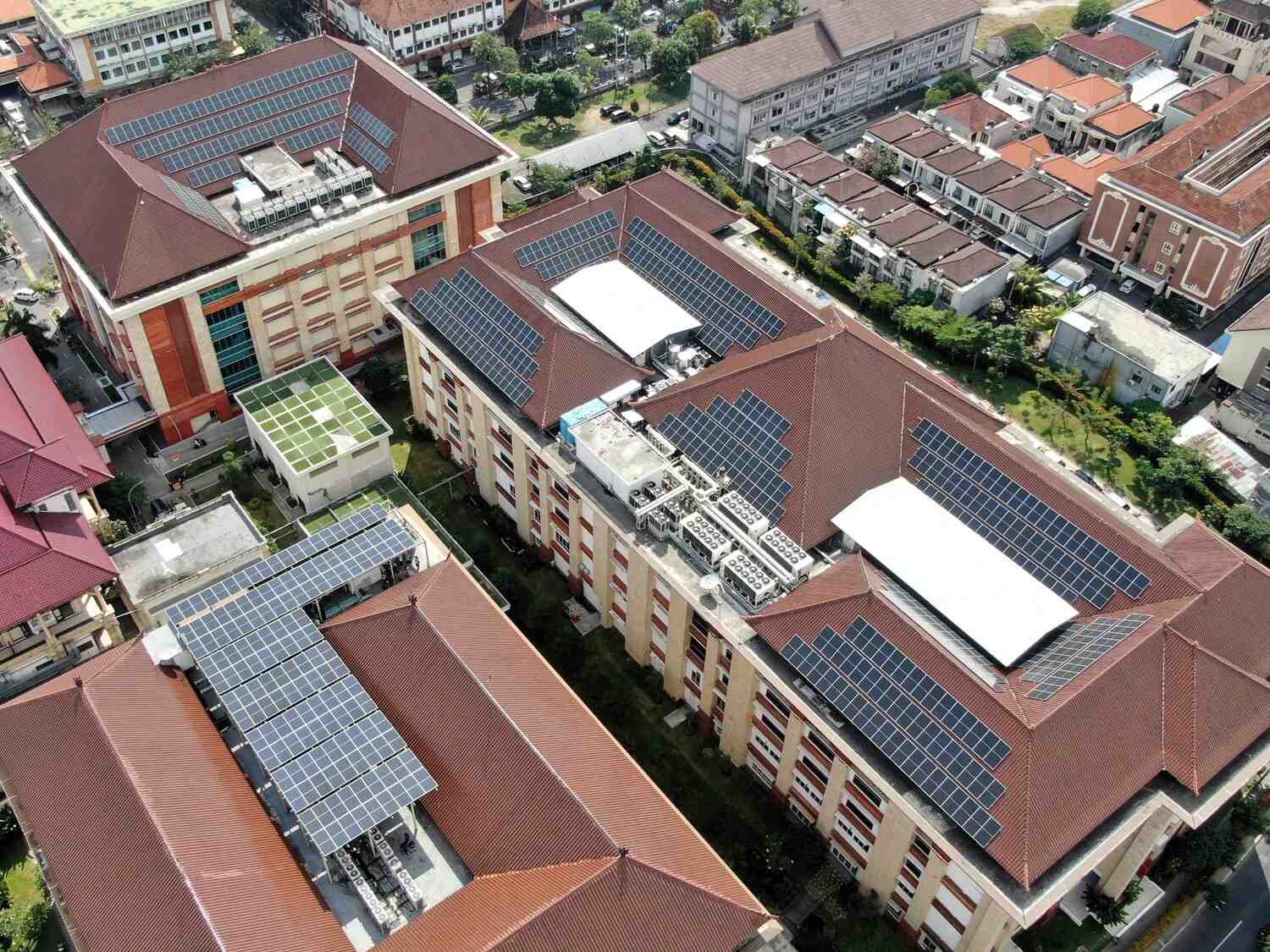
Enviro News Asia, Jakarta – The Institute for Essential Services Reform (IESR) has welcomed the Indonesian government’s plan to begin the first phase of its 100-gigawatt (GW) solar power development program, while urging authorities to implement the initiative under strong governance principles and as part of a comprehensive and equitable energy transition.
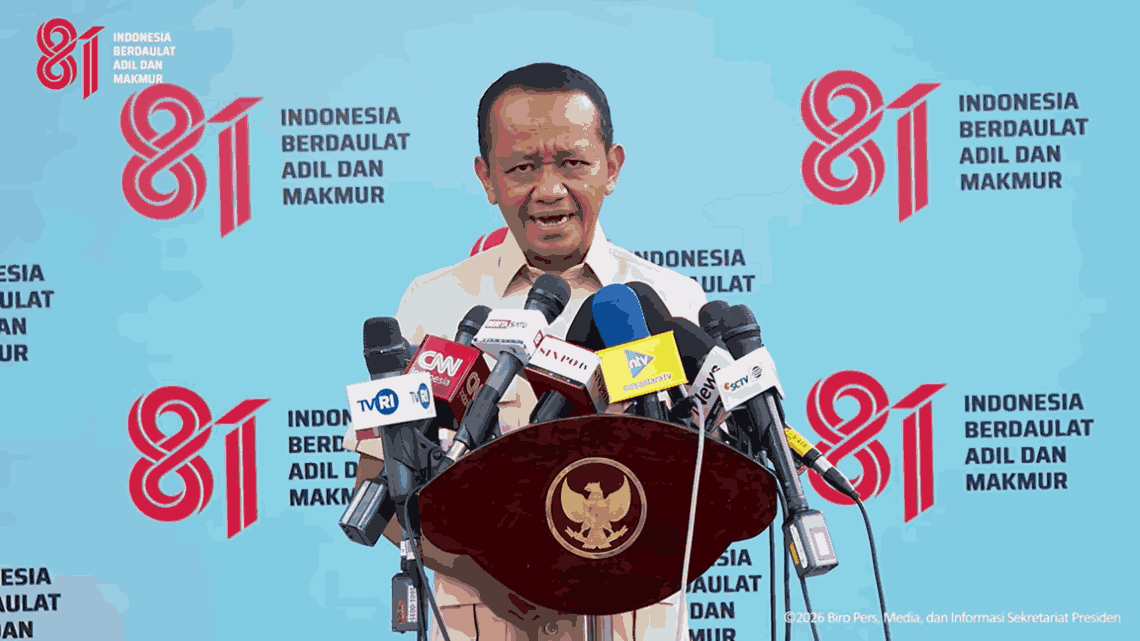
The statement was issued on July 29 in response to Energy and Mineral Resources Minister Bahlil Lahadalia’s announcement that construction of the first phase of the 100 GW solar power program will begin soon.
IESR emphasized that the large-scale solar initiative should go beyond increasing installed generation capacity. Instead, it should become part of a broader transformation of Indonesia’s energy system that ensures reliable and affordable electricity access for all communities, particularly in rural and remote areas.
The organization stressed that the rural electrification program should no longer be viewed merely as a means of improving national electrification statistics. Rather, it should focus on providing adequate energy services that support productive economic activities and improve local livelihoods.
IESR highlighted its Solar Archipelago roadmap, which positions the electrification of islands and Indonesia’s disadvantaged, frontier, and outermost (3T) regions as a key component of deploying community-scale solar energy before 2030.
According to the institute, integrating rural electrification into the national 100 GW solar program based on local renewable energy potential would not only accelerate solar power deployment but also stimulate rural economic growth, promote energy democratization, and advance a just energy transition across the archipelago. (*)