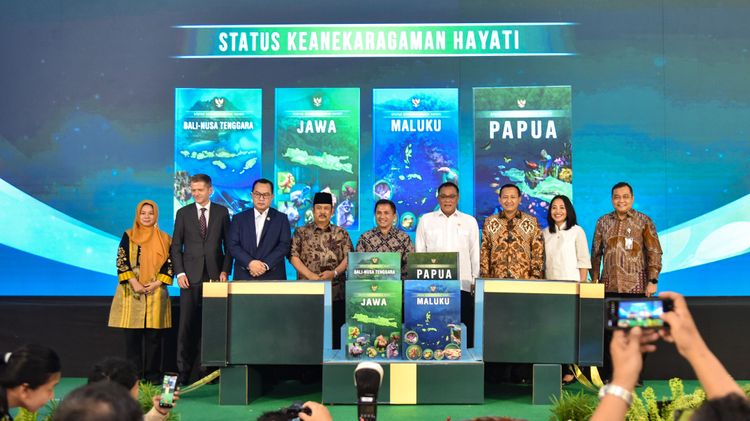
Enviro News Asia, Jakarta – Indonesian Vice Minister of Forestry Rohmat Marzuki has emphasized that the newly launched Biodiversity Status Documents will serve as a strategic guide for developing science-based conservation policies and protecting the country’s rich biological diversity.
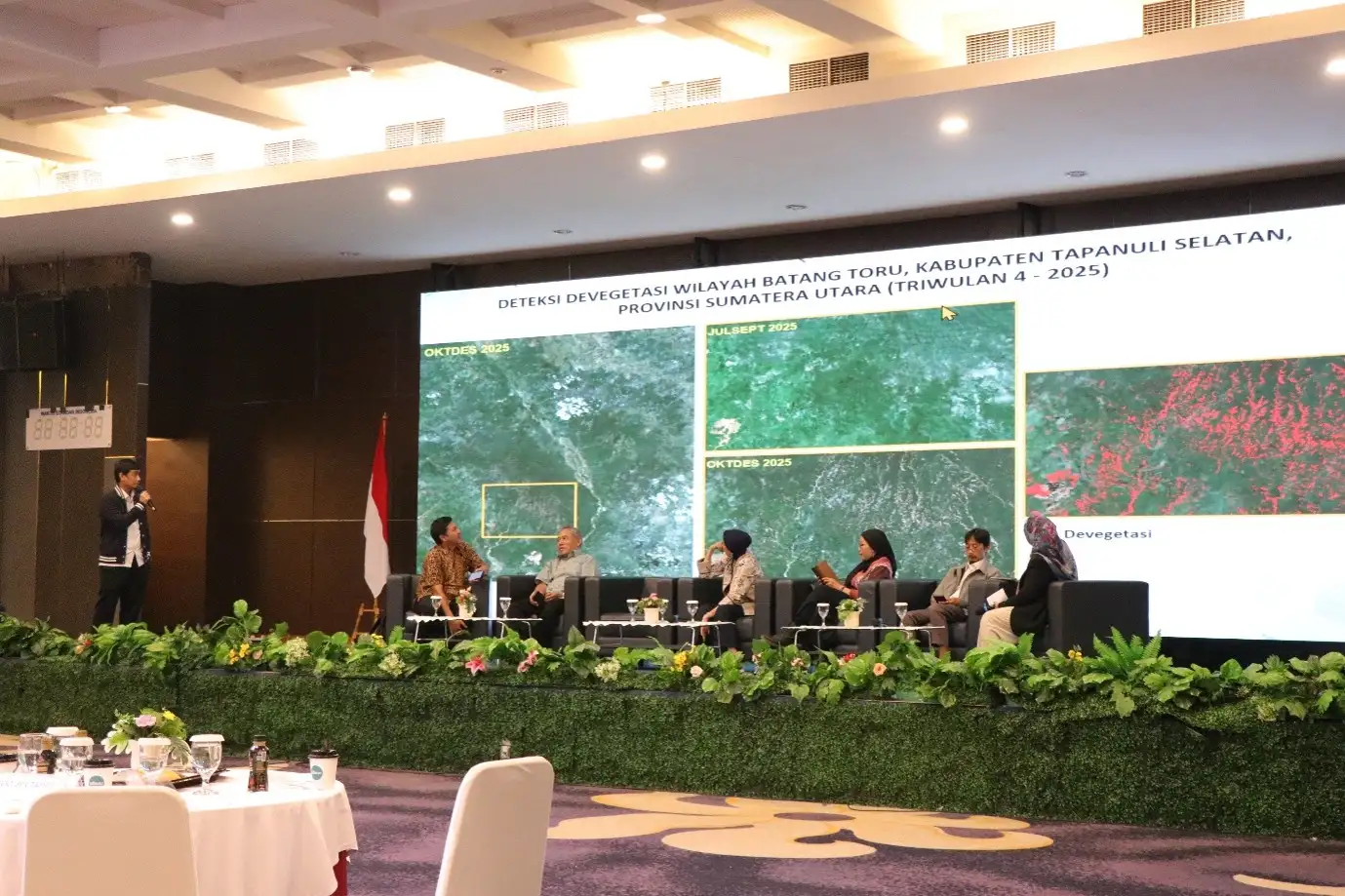
Representing Minister of Forestry Raja Juli Antoni, Rohmat attended the launch of the Biodiversity Status Documents for Papua, Bali–Nusa Tenggara, Java, and Maluku at the Ministry of National Development Planning (PPN/Bappenas) in Jakarta on July 21.
In his remarks, the Vice Minister said Indonesia, as one of the world’s megadiverse countries, is home to more than 17 percent of global biodiversity. He noted that the country’s biological wealth plays a vital role in supporting food security, providing medicinal resources, regulating the climate, and sustaining the livelihoods of millions of people.
However, Indonesia’s biodiversity continues to face significant threats, including land-use change, climate change, overexploitation of natural resources, and the spread of invasive alien species.
Rohmat stressed that conservation efforts must move beyond concern toward measurable, science-based, and long-term action.
He explained that the four regional biodiversity status documents will support the implementation of the Indonesia Biodiversity Strategy and Action Plan (IBSAP) 2025–2045 by providing scientific information on the condition of species and ecosystems across four major biogeographical regions of the country.
The Vice Minister also highlighted the importance of the Red List Index (RLI), the Sustainable Development Goals (SDG) indicator 15.5.1, which measures the aggregate extinction risk of species. Indonesia’s RLI declined from 0.77 in 2018 to 0.75 in 2024. Through the Ministry of Forestry’s Strategic Plan 2025–2029, the government aims to improve the index to 0.76 by 2029.
According to Rohmat, the documents will help identify species requiring urgent protection, determine priority conservation areas, and guide ecosystem restoration programs based on accurate and up-to-date scientific data.
He expressed appreciation to the Ministry of National Development Planning (PPN/Bappenas), researchers, academics, regional governments, Indigenous Peoples and local communities, civil society organizations, development partners, and other stakeholders who contributed to preparing the documents.
Rohmat emphasized that cross-sector collaboration is essential to addressing Indonesia’s biodiversity crisis in a systematic and sustainable manner.
He also encouraged government institutions, regional administrations, businesses, academic institutions, and civil society organizations to use the documents as references when formulating policies, designing programs, and allocating resources.
The Vice Minister concluded that reliable, structured, and accessible biodiversity data are fundamental to evidence-based policymaking, transparent public accountability, and achieving Indonesia’s vision of living in harmony with nature while safeguarding biodiversity for future generations. (*)