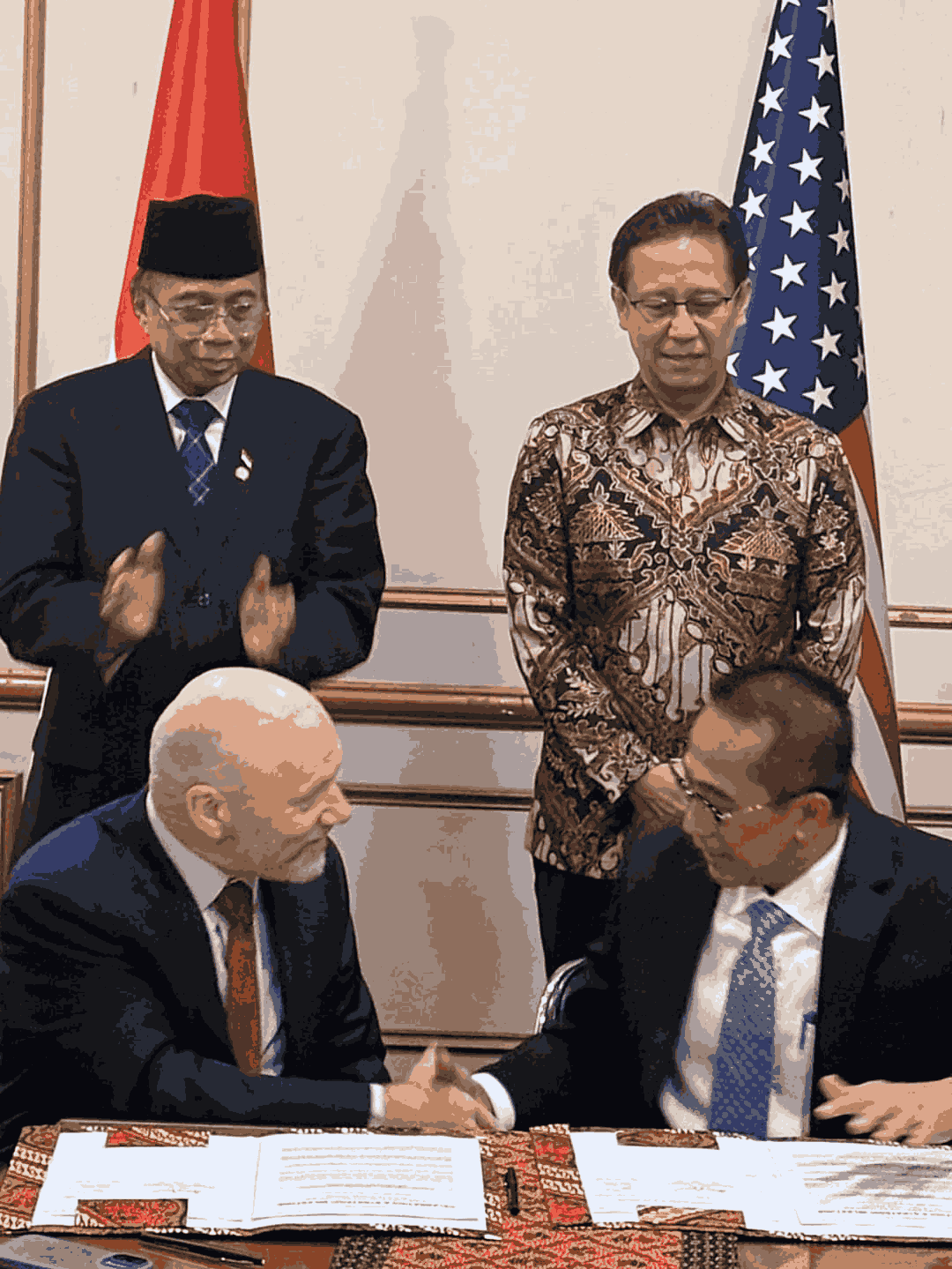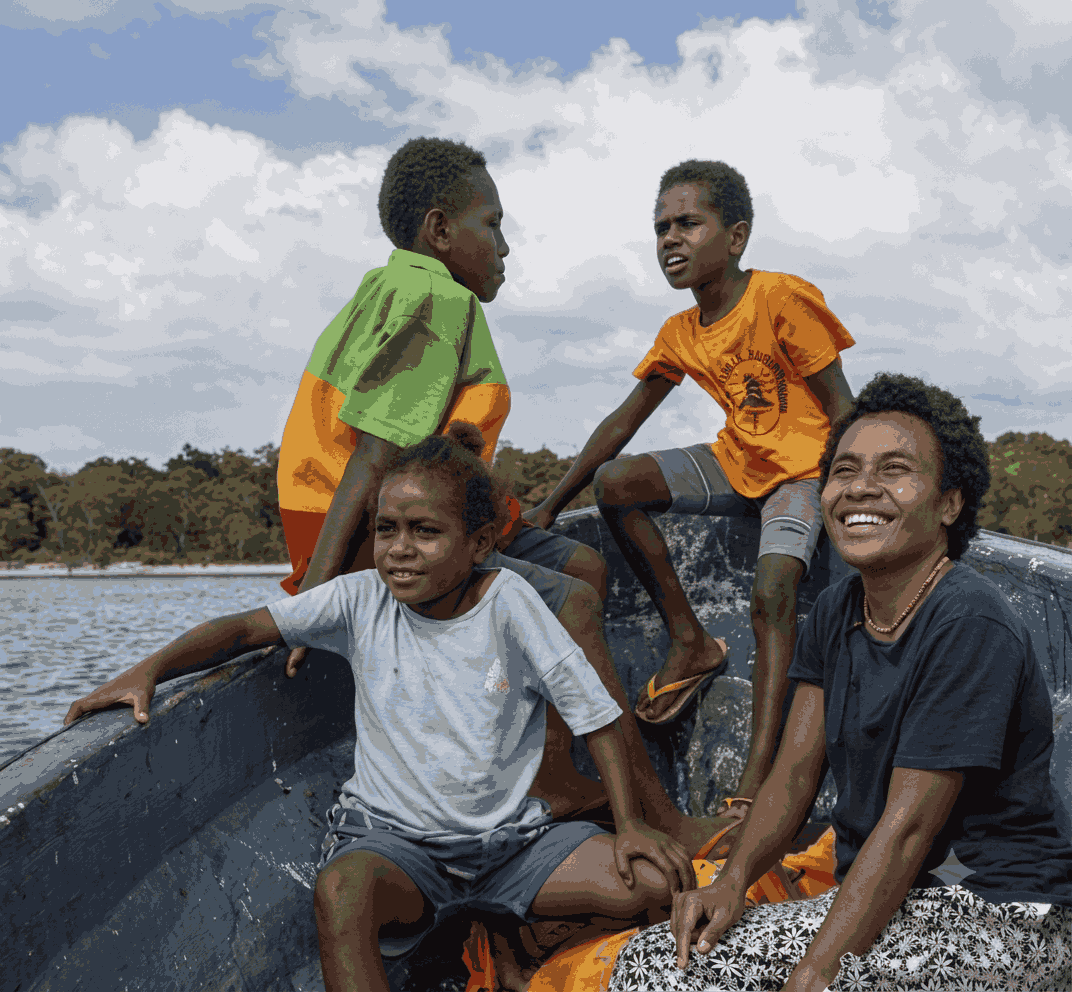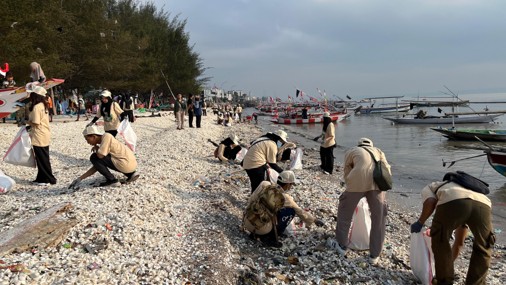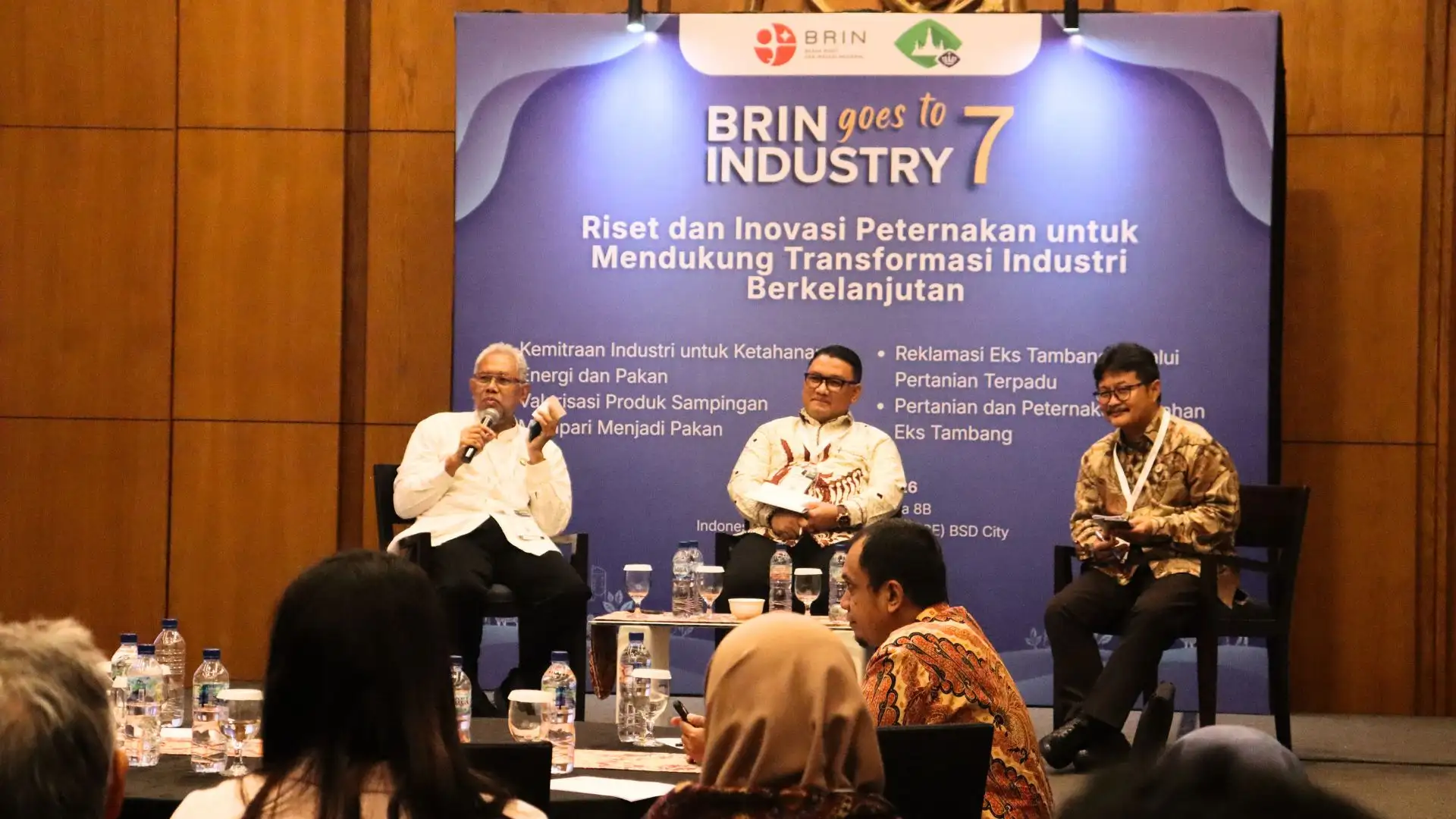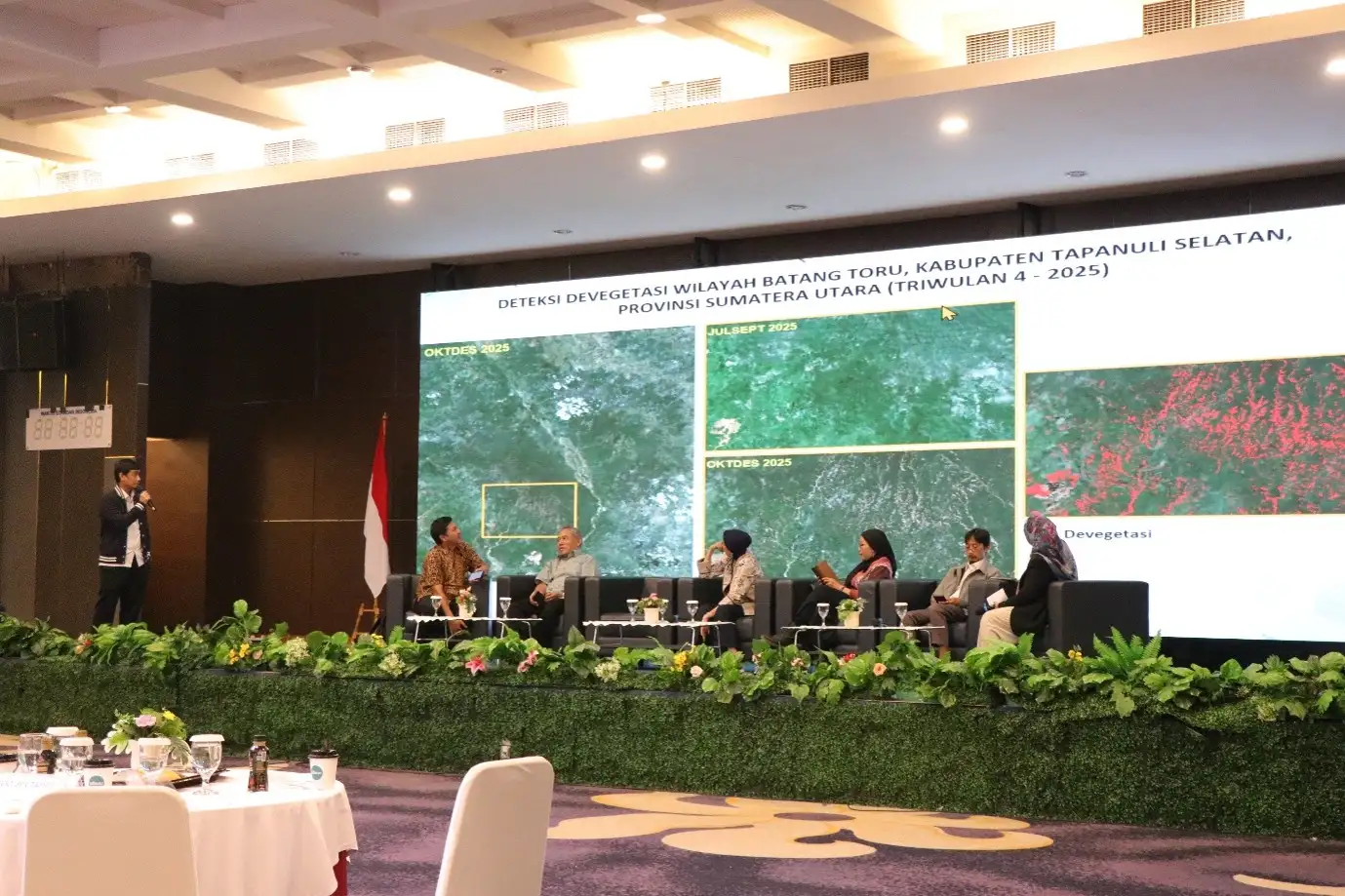


Enviro News Asia, Jakarta — The Indonesian Ministry of Environment launched the Biodiversity Status Reports for Papua, Bali–Nusa Tenggara, Java, and Maluku on Tuesday to strengthen science-based environmental policymaking and improve national biodiversity governance. The reports provide comprehensive information on ecosystems, species, and genetic resources across several strategic regions of the country.
Minister of Environment and Head of the Environmental Control Agency, Moh Jumhur Hidayat, said the reports mark an important step toward establishing a more systematic and evidence-based biodiversity management framework. He said the government would ensure that biodiversity utilization reinforces conservation efforts, promotes sustainability, delivers fair benefits to local communities, relies on scientific evidence in policymaking, upholds good governance, and involves stakeholders across government and society.
Indonesia is home to approximately 120 million hectares of forests, 20 million hectares of peatlands, more than 15 million hectares of karst ecosystems, 3.3 million hectares of mangroves, over 2,000 natural lakes, and one of the world’s richest collections of flora and fauna. Despite these natural assets, the country continues to face growing threats from land-use changes, habitat degradation, and the increasing risk of species extinction.
Jumhur said biodiversity is not only a natural resource that must be protected but also a strategic asset that can drive sustainable development. He explained that Indonesia could expand biodiversity-based economic opportunities through bioprospecting, biotechnology, and the sustainable use of genetic resources.
He added that the government would apply responsible governance by ensuring biosafety and biosecurity standards, maintaining ecosystem integrity, and implementing fair and equitable benefit-sharing from the utilization of genetic resources.
Minister of National Development Planning and Head of the National Development Planning Agency (Bappenas), Rachmat Pambudy, said biodiversity remains a fundamental resource for Indonesia’s past, present, and future development. He emphasized that protecting biodiversity is essential to securing the country’s long-term prosperity and the well-being of future generations.
The government also acknowledged the important contribution of indigenous peoples and local communities, whose traditional knowledge and sustainable practices continue to support biodiversity conservation across the archipelago.
To strengthen biodiversity governance, the Ministry of Environment is developing the Indonesia Biodiversity-data Centre (IBC) as an integrated national biodiversity database. The platform will function as part of the National Biodiversity Clearing House Mechanism by consolidating data from ministries, government agencies, and other stakeholders to support science-based policymaking.
The initiative supports Indonesia’s commitments under the United Nations Convention on Biological Diversity (UNCBD) and the Kunming–Montreal Global Biodiversity Framework (KMGBF). The government is also preparing the Indonesian Biodiversity Strategy and Action Plan (IBSAP) 2025–2045 as a Presidential Regulation.
In addition, the government is drafting regulations on Access and Benefit Sharing for Genetic Resources and developing a Biodiversity Credit mechanism to strengthen the sustainable economic value of biodiversity.
The Ministry of Environment expects the regional biodiversity reports to provide a stronger scientific foundation for accelerating biodiversity conservation, supporting sustainable development, improving public welfare, and safeguarding Indonesia’s natural heritage for future generations. (*)