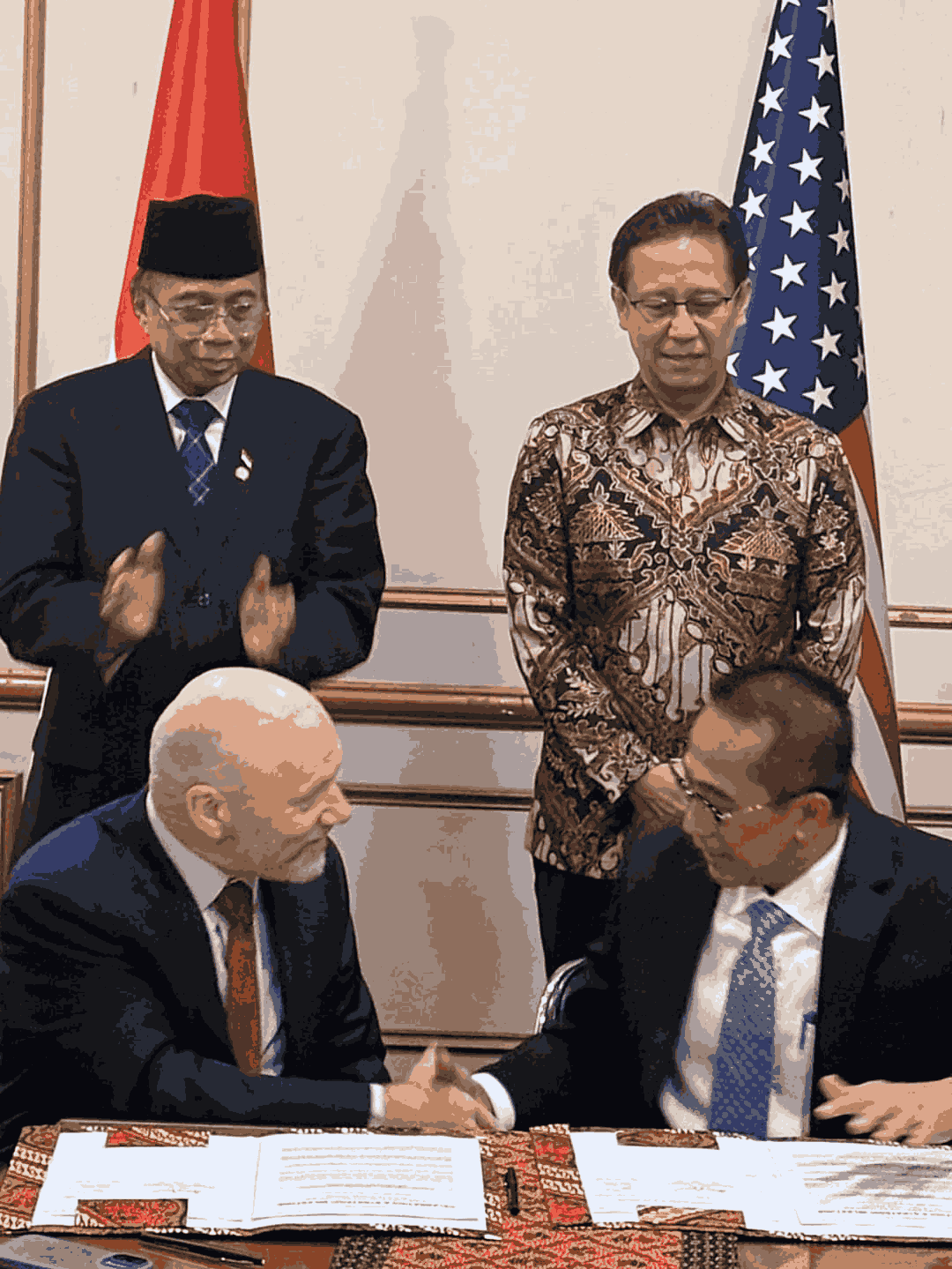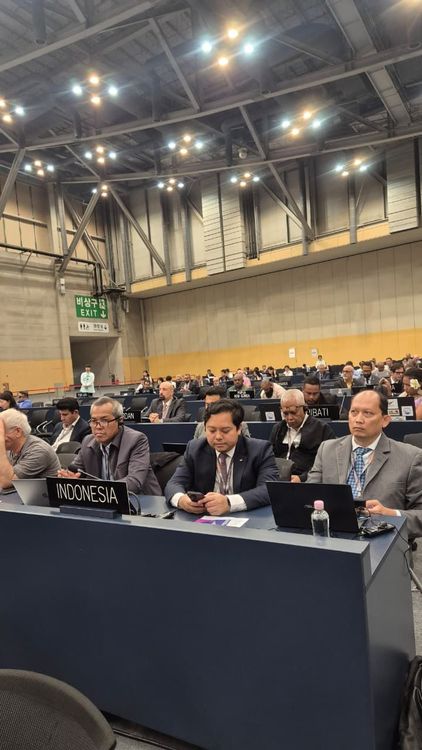
Enviro News Asia, Busan — Indonesia reaffirmed its commitment to protecting the country’s Natural World Heritage Sites during the 48th Session of the World Heritage Committee in Busan, South Korea, highlighting ongoing conservation efforts for Lorentz National Park and the Tropical Rainforest Heritage of Sumatra (TRHS).
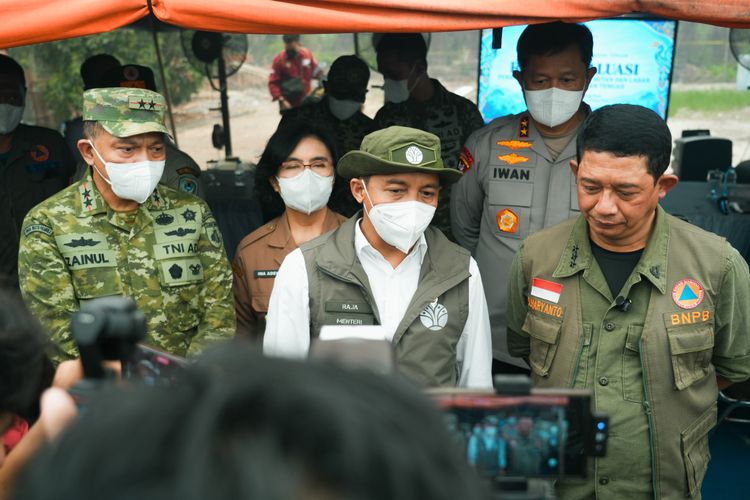
The Indonesian delegation was led by Ary Aprianto, Director for Socio-Cultural Affairs and Strategic Partnerships at the Ministry of Foreign Affairs, with representatives from the Ministry of Forestry, the Ministry of Culture, Indonesia’s missions to South Korea and UNESCO, and technical experts on TRHS.
The participation formed part of Indonesia’s conservation diplomacy to safeguard the Outstanding Universal Value (OUV) of its World Heritage properties. The initiative aligns with the Ministry of Forestry’s policy to strengthen ecosystem protection, biodiversity conservation, forest rehabilitation, and sustainable protected area management.
During discussions on Lorentz National Park, Ary Aprianto reaffirmed Indonesia’s commitment to preserving the site’s Outstanding Universal Value. He said the government had completed the Lorentz National Park Management Plan for 2021–2030 and would ensure that all development activities potentially affecting the site comply with World Heritage requirements, including comprehensive impact assessments.
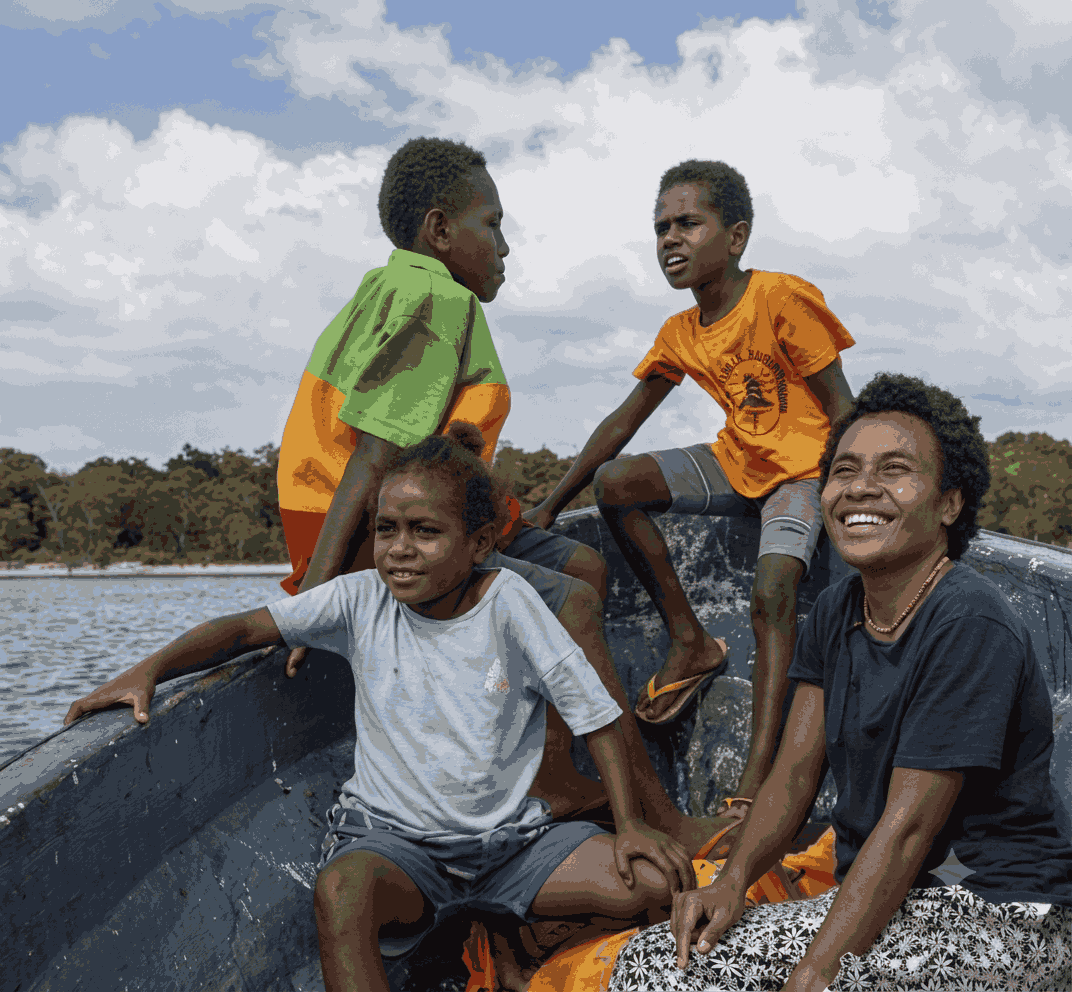
Indonesia also reported progress in ecosystem rehabilitation at Lorentz National Park through community participation. The government successfully completed its 2024 rehabilitation target of approximately 120 hectares, bringing the cumulative restored area to about 325 hectares, or 64 percent of the total area requiring rehabilitation.
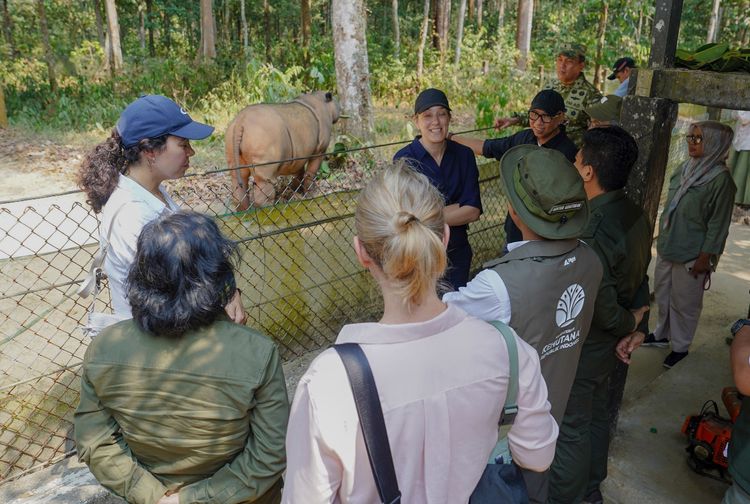
Regarding the Tropical Rainforest Heritage of Sumatra, Indonesia presented its proposal for a Significant Boundary Modification (SBM) aimed at strengthening the site’s ecological integrity and Outstanding Universal Value. The proposal includes the addition of high-conservation-value ecosystems and habitats, improved connectivity between protected areas, and the establishment of a 427,759-hectare buffer zone.
Director of Protected Area Conservation Sapto Aji Prabowo said Indonesia continues to work closely with local communities and development partners to enhance the protection and management of TRHS in accordance with the World Heritage Convention, Operational Guidelines, and committee decisions.
Indonesia is preparing for an International Union for Conservation of Nature (IUCN) evaluation mission scheduled for October 20–28, 2026, to assess the TRHS boundary modification proposal. During the committee session, the Indonesian delegation also held discussions with IUCN and several member states, including South Korea, to explain the proposal and strengthen international cooperation on World Heritage management.
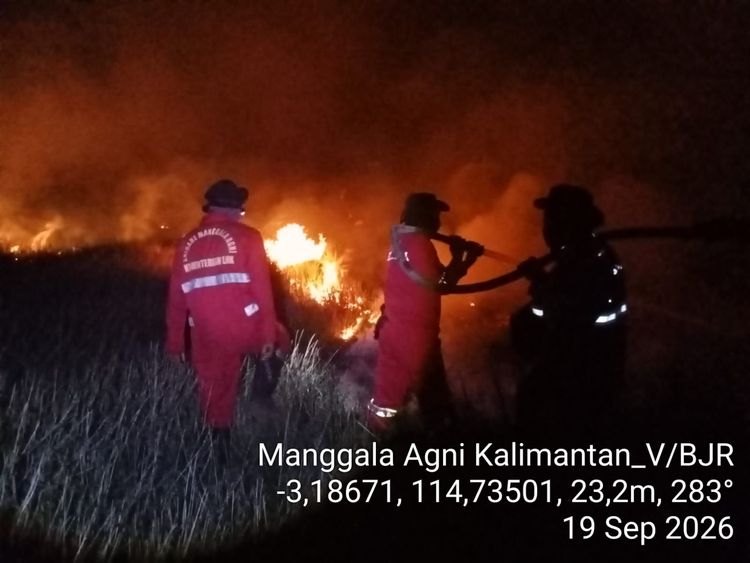
The Ministry of Forestry said the protection and rehabilitation of conservation areas also contribute to Indonesia’s FOLU Net Sink 2030 target by maintaining forest cover, reducing degradation, restoring ecosystems, and enhancing forests’ role as carbon sinks. The ministry added that Indonesia will continue using international conservation diplomacy to safeguard its globally significant biodiversity while promoting sustainable development and community welfare. (*)