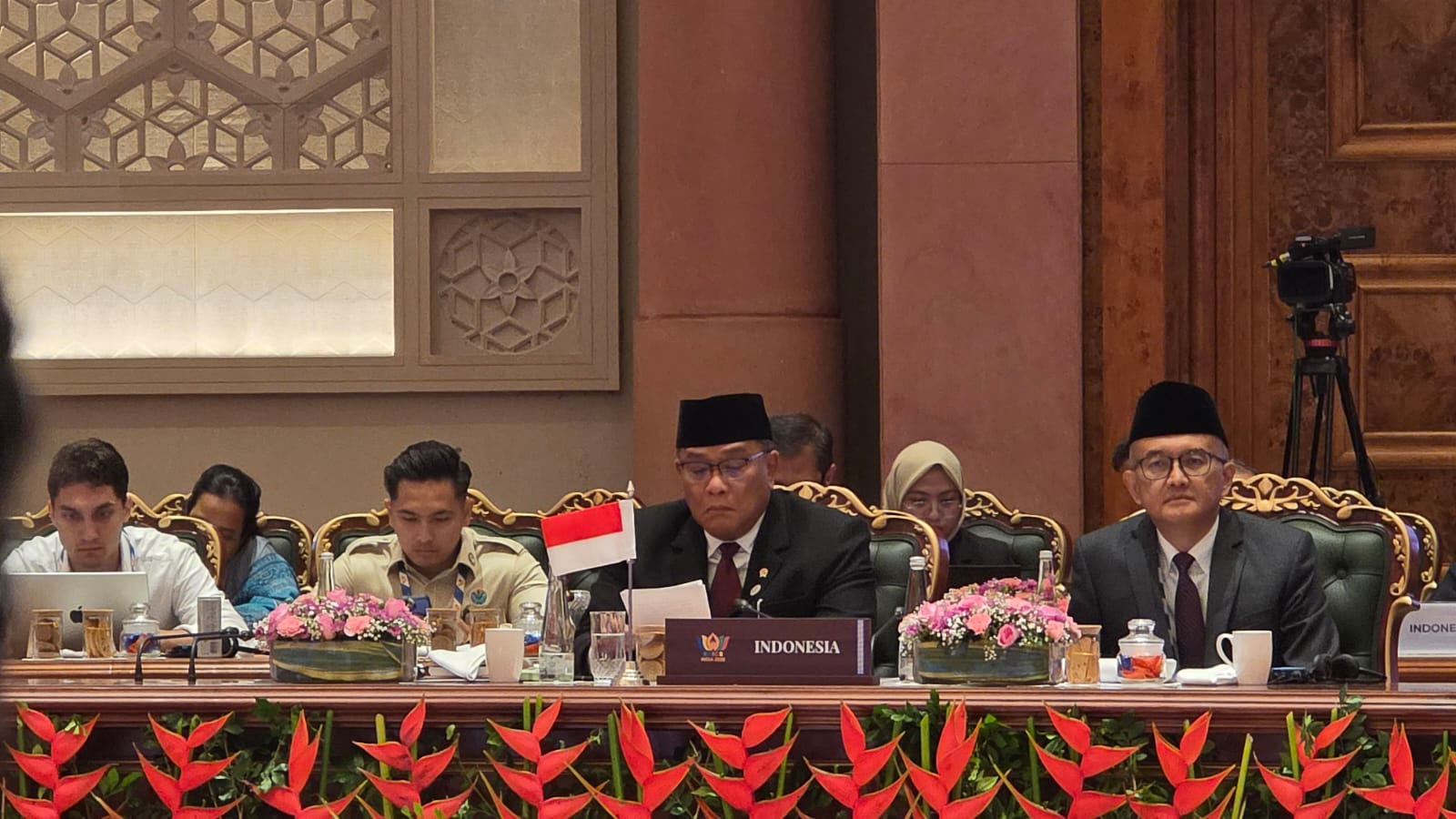
Enviro News Asia, Belém — Indonesia closed its participation at COP30 in Belém, Brazil on 25 November 2025 with a firm call for climate actions grounded in fairness, science, and realistic implementation. Minister of Environment and Head of the Environmental Control Agency (KLH/BPLH) Hanif Faisol Nurofiq said Indonesia came to COP30 not with promises, but with a clear policy direction that reflects practical pathways for developing countries.
The Minister emphasized that global climate rules must align integrity with equity, warning that overly ambitious obligations risk distancing the world from the 1.5°C target if they overlook the capabilities of developing nations. He reiterated that implementation of the Paris Agreement requires concrete international support in the form of grant-based finance, technology transfer, and just mechanisms to enable real action on the ground.
Indonesia also responded to the “Fossil of the Day” criticism issued by Climate Action Network (CAN), stating that the label stemmed from a misinterpretation of the country’s intervention on Nature-based Solutions and forest and land-use issues. The delegation clarified that Indonesia’s negotiation positions are based on scientific assessments and reflect equitable considerations for forest countries.
On Article 6.4, Indonesia played a significant role in ensuring that global carbon market standards do not impose unreasonable burdens on developing economies. The delegation opposed the draft Non-Permanence Standard requiring indefinite monitoring and unrealistic reversal risk obligations for forestry, advocating instead for fairer options including time-bound monitoring and jurisdictional buffer-pool approaches. Indonesia also stressed the need for technical readiness and funding to secure a smooth transition of CDM projects into the Article 6 framework.
On adaptation, Indonesia called for Global Goal on Adaptation (GGA) indicators that are simple, measurable, flexible, and free from excessive administrative burdens. The country cautioned that emerging terms such as “transformational adaptation” should not dilute the central goal of strengthening community resilience.
Indonesia welcomed the adoption of the Belem Gender Action Plan 2026–2034, while underscoring that national implementation must align with domestic law and the principle of Common but Differentiated Responsibilities and Respective Capabilities (CBDR-RC).
On Just Transition, Indonesia—alongside the G77 and China—pressed for stronger global support to ensure that the shift toward a low-carbon economy does not create new debt burdens. Indonesia reaffirmed its support for the call to mobilize USD 1.3 trillion in annual global climate finance by 2035 and to triple adaptation funding to at least USD 120 billion per year by 2030.
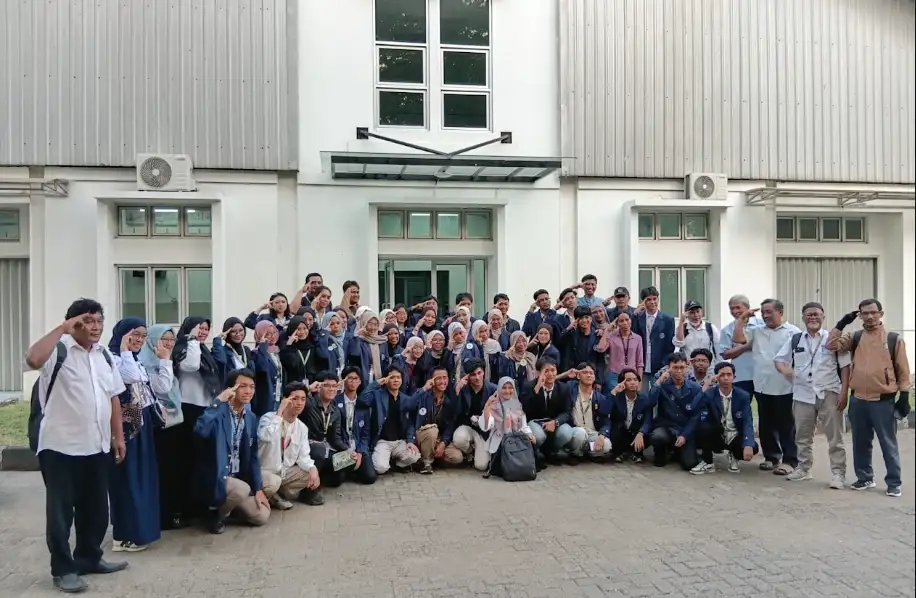
The Indonesian delegation, composed of 92 negotiators across ministries, carried a strong mandate backed by extensive technical experience and aligned national and global ambitions.
In his closing message, Minister Hanif said Indonesia demonstrated that green transitions can succeed only when the global support architecture is fair and inclusive. He emphasized that the decisions adopted at COP30 must translate into concrete actions that protect communities, strengthen national resilience, and ensure a just, inclusive, and sustainable low-carbon development pathway. (*)