

Enviro News Asia, Jakarta — Indonesia has intensified forest and land fire suppression operations as high-confidence hotspots surged across several regions, particularly Central Kalimantan, while strengthening efforts to protect communities, conservation areas and wildlife affected by the fires.
Data from the Forestry Ministry’s SiPongi monitoring system recorded 1,350 high-confidence hotspots nationwide as of 9 p.m. on October 22, 2026, an increase of 542 from 808 the previous day.
Across six priority provinces, hotspot numbers rose from 446 to 1,078. Central Kalimantan recorded the sharpest increase, reaching 874 hotspots from 198 a day earlier. South Kalimantan reported 99, up from 52, while West Kalimantan recorded 39, compared with 38 previously.
Hotspots declined in South Sumatra to 59 from 131 and in Jambi to seven from 27. Riau recorded no high-confidence hotspots.
The Forestry Ministry stressed that satellite-detected hotspots are preliminary indicators used to direct patrols and ground verification, rather than a direct count of fires or the total area burned. The readings identify surface-temperature anomalies detected by NASA’s Terra and Aqua satellites, SNPP and NOAA-20. A single fire may generate multiple hotspot readings, making field verification essential.
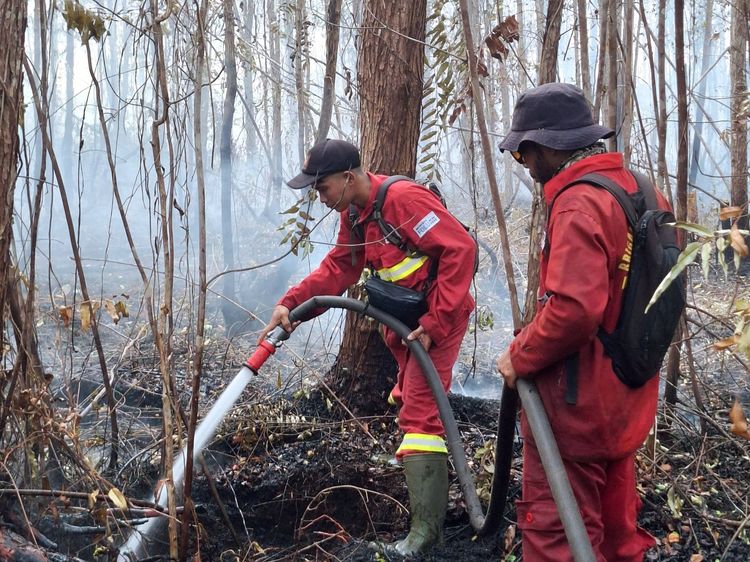
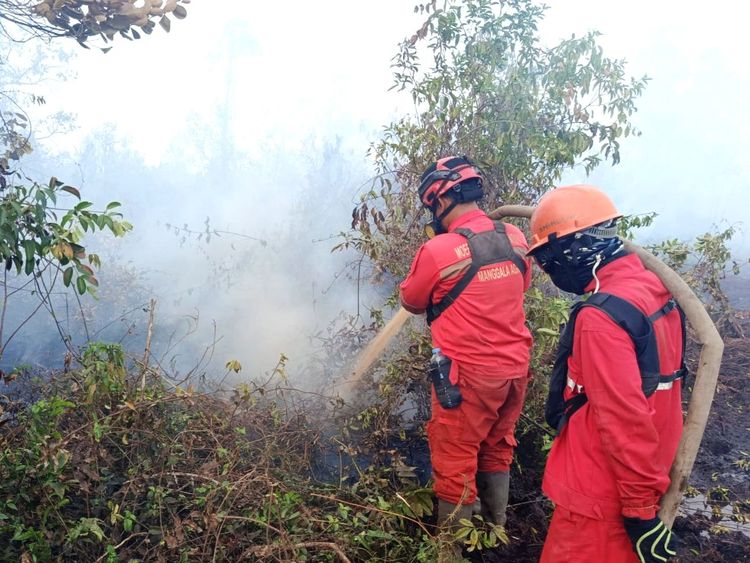
In response to the increase, authorities have intensified patrols, field inspections, direct firefighting, firebreak operations, water application, ember searches and mop-up efforts. Cooling operations continue at verified sites where flames or embers remain.
Peatlands require particular attention because embers can persist and spread beneath the surface even after visible flames disappear. Authorities therefore continue wetting affected areas to reduce the risk of fires reigniting.
A total of 49 aircraft have been deployed in support of the response, including 32 for water bombing and 17 for aerial patrols and weather modification operations. The National Disaster Mitigation Agency, Indonesian Military and Meteorology, Climatology and Geophysics Agency are also coordinating weather modification efforts, including trials using dry ice to support ice-crystal formation in clouds and increase the potential for rainfall.
Aircraft operations remain subject to atmospheric conditions, visibility, water availability, location priorities and flight safety requirements.
Meanwhile, Forestry Minister Raja Juli Antoni visited the orangutan rehabilitation centre operated by the Indonesian Nature Rehabilitation Initiative Foundation (YIARI) in Ketapang, West Kalimantan, to review the handling of wildlife affected by the fires.
Forest and land fires can destroy wildlife habitats, reduce food availability, cause health problems and force animals out of forest areas. At the YIARI centre, orangutans receive health examinations, medical treatment and rehabilitation, with eventual release into safe habitats considered when their condition allows.
According to the latest data, 51 orangutans were rescued from fire-affected areas in Ketapang and North Kayong between August 6 and mid-October 2026. Some were found weak, underweight, dehydrated or suffering from respiratory problems and injuries.
Two young orangutans, Lusi and Riri, were among those recently rescued after being found without their mothers in affected areas. Lusi was severely underweight, dehydrated and injured, while Riri was found alone and frightened in an oil palm tree. Both were taken to YIARI for further care.
Raja Juli said fire suppression must go hand in hand with wildlife rescue and habitat protection. The Forestry Ministry, through the West Kalimantan Natural Resources Conservation Agency (BKSDA), is working with YIARI, local governments, communities and conservation partners to rescue, rehabilitate and relocate affected orangutans.
The ministry urged residents who encounter injured or stranded orangutans or other wild animals, including those entering settlements, not to attempt rescue themselves. People should keep their distance, avoid actions that could distress the animals and immediately contact BKSDA or the nearest forestry officer.
Air quality monitoring based on fine particulate matter (PM2.5) showed that most parts of Indonesia remained within good to moderate categories. However, unhealthy to hazardous conditions were reported in some localised areas, particularly in parts of Kalimantan, as well as in parts of Sumatra, Java and Papua.
The ministry warned that changes in hotspot numbers do not necessarily correspond directly with the air quality experienced by residents. Smoke, particularly from peatland fires, can persist and travel with atmospheric conditions. People in areas experiencing deteriorating air quality were advised to limit outdoor activities and wear masks when going outside. Children, pregnant women, older people and those with respiratory conditions or chronic illnesses require particular protection.
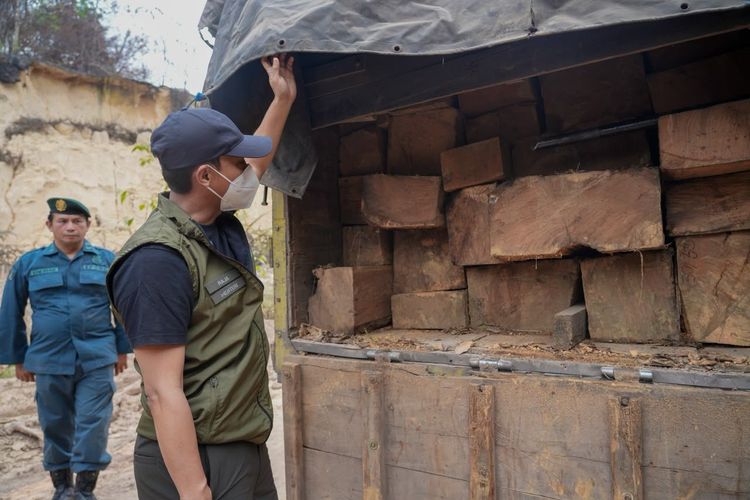
The Forestry Ministry reiterated its warning against clearing or opening land by burning and urged the public to report smoke, fires or burning activities promptly so authorities can respond at an early stage. (*)