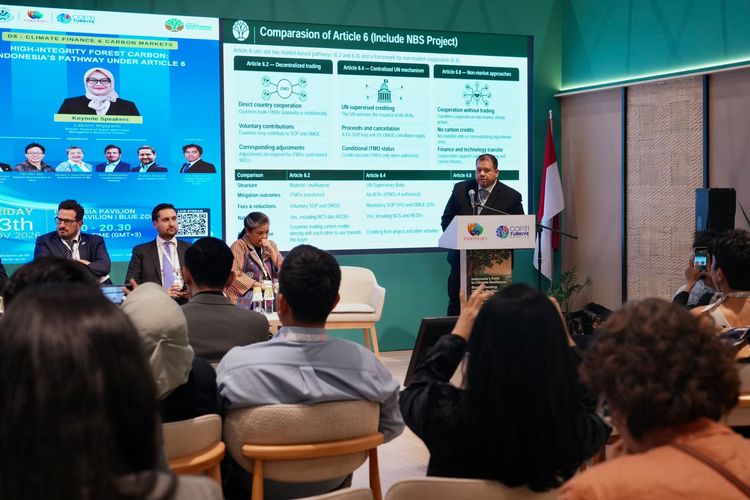
Enviro News Asia, Antalya — Indonesia is strengthening the integrity of its forest carbon market to expand international cooperation and attract financing for climate action through mechanisms under Article 6 of the Paris Agreement.
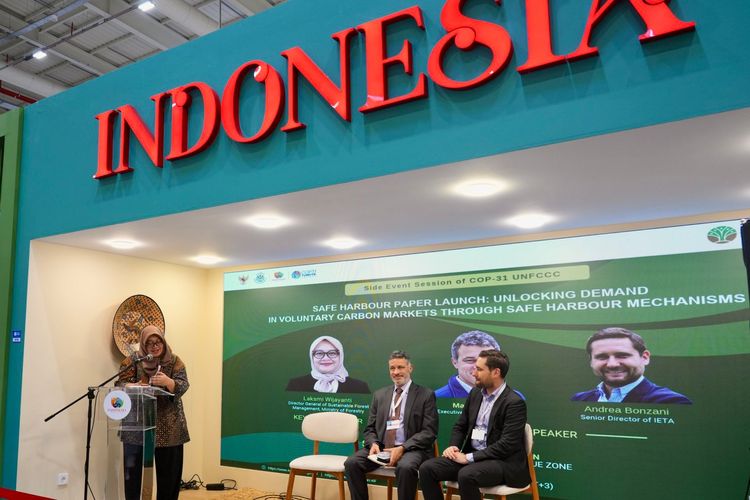
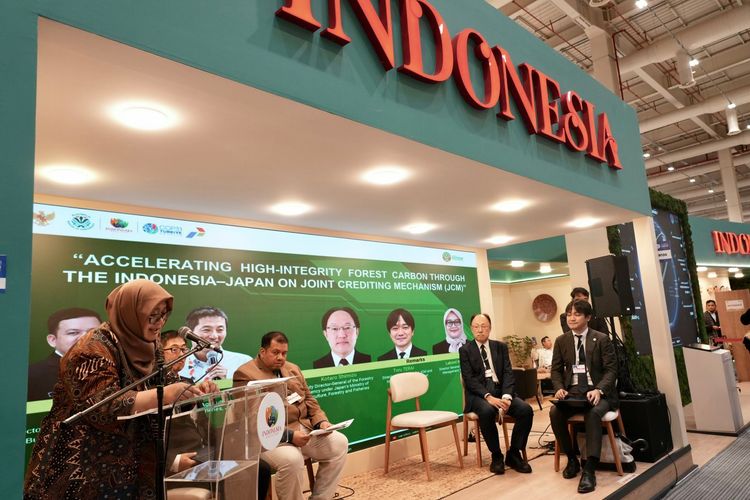
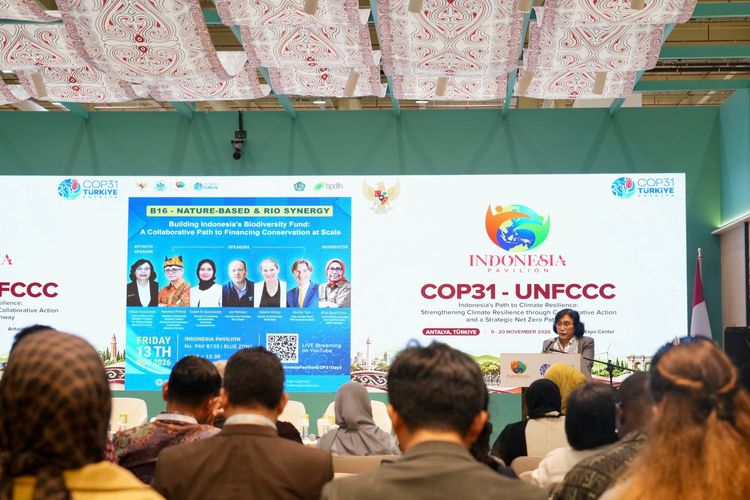
The Ministry of Forestry outlined the strategy during a dialogue titled “Integrity Forest Carbon: Indonesia’s Pathway under Article 6” at the Indonesian Pavilion during the 31st United Nations Climate Change Conference (COP31) in Antalya, Türkiye, on Nov. 13, 2026.
The forum explored opportunities to develop international carbon trading in the forestry sector through Article 6, which allows countries to cooperate in meeting emissions reduction targets through verified mitigation outcomes and non-market approaches.
The government sees forest carbon markets as a potential source of financing for forest protection, sustainable forest management, ecosystem restoration and national climate targets. However, it stressed that these opportunities must be supported by credible, transparent and accountable governance to ensure traded emissions reductions maintain high environmental integrity.
The Ministry of Forestry identified three major international market opportunities for Indonesia’s nature-based carbon credits: Singapore’s carbon tax compliance scheme, Japan’s Joint Crediting Mechanism (JCM), and the international aviation sector’s Carbon Offsetting and Reduction Scheme for International Aviation (CORSIA).
Each mechanism has specific requirements for methodologies, verification, authorization and carbon credit eligibility.
The ministry emphasized that international carbon trading under Article 6.2 requires authorization from the host country, verifiable emissions accounting and corresponding adjustments in accordance with applicable regulations. These measures are essential to prevent the same emissions reduction from being claimed more than once by different countries or parties.
Indonesia is also exploring opportunities under Article 6.4, which establishes a United Nations-supervised carbon crediting mechanism.
Meanwhile, Article 6.8 provides a framework for non-market cooperation, including climate finance, technology transfer, capacity building and results-based payments without trading carbon units.
Strengthening forest carbon integrity also requires credible methodologies, conservative emissions reference levels, controls against carbon leakage and reversal risks, and safeguards to protect community rights.
Transparent reporting and registry systems are also essential to build confidence in the quality of Indonesia’s forestry carbon credits.
At the national level, forest carbon market development is expected to support Indonesia’s FOLU Net Sink 2030 programme and its Nationally Determined Contribution (NDC) targets.
The government aims to ensure that international cooperation generates more than economic returns from carbon trading by also strengthening ecosystem protection, biodiversity conservation and benefits for communities living around forests.
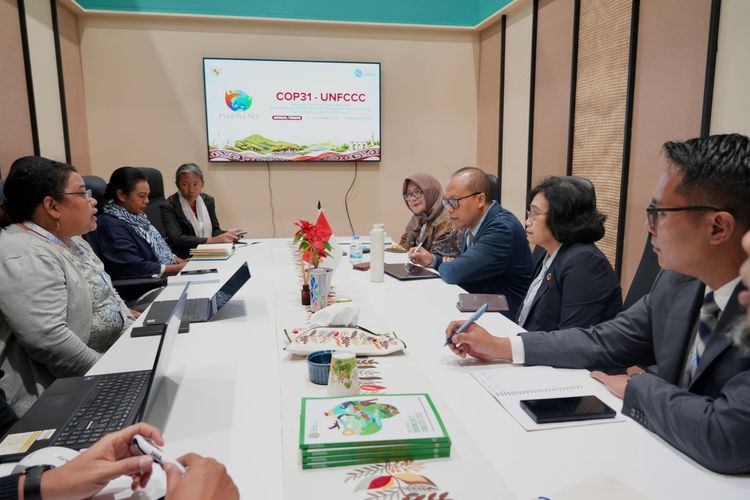
The dialogue brought together government representatives, carbon market participants and international organizations, including Verra, Emergent and the Integrity Council for the Voluntary Carbon Market (ICVCM).
Discussions focused on aligning carbon integrity standards, meeting international market requirements, establishing authorization mechanisms and identifying opportunities for credible forestry carbon transactions from Indonesia.
Through the COP31 forum, the Ministry of Forestry reaffirmed the importance of strengthening national readiness to participate in international carbon cooperation.
Indonesia aims to develop a transparent, high-integrity forest carbon market that attracts international partnerships, provides fair benefits to local communities and supports global efforts to address climate change. (*)