Enviro News Asia, Jakarta — Indonesia’s Ministry of Forestry is strengthening the governance of Way Kambas National Park by enhancing mitigation measures to address negative interactions between humans and Sumatran elephants, recognizing that the issue extends beyond wildlife conservation to include public safety, community livelihoods, and sustainable biodiversity-based development.
The Ministry stated that integrated mitigation efforts, combined with ecosystem restoration, are essential to safeguarding the long-term survival of the critically endangered Sumatran elephant while maintaining harmonious coexistence between local communities and wildlife in one of Sumatra’s most important conservation landscapes.
As part of the government’s commitment to accelerating mitigation efforts, the program is supported through Presidential Assistance administered by the Ministry of State Secretariat. To ensure effective, coordinated, and accountable implementation, the government has established the Committee for the Mitigation and Management of Human-Sumatran Elephant Conflict in Way Kambas National Park, bringing together relevant institutions according to their respective mandates.
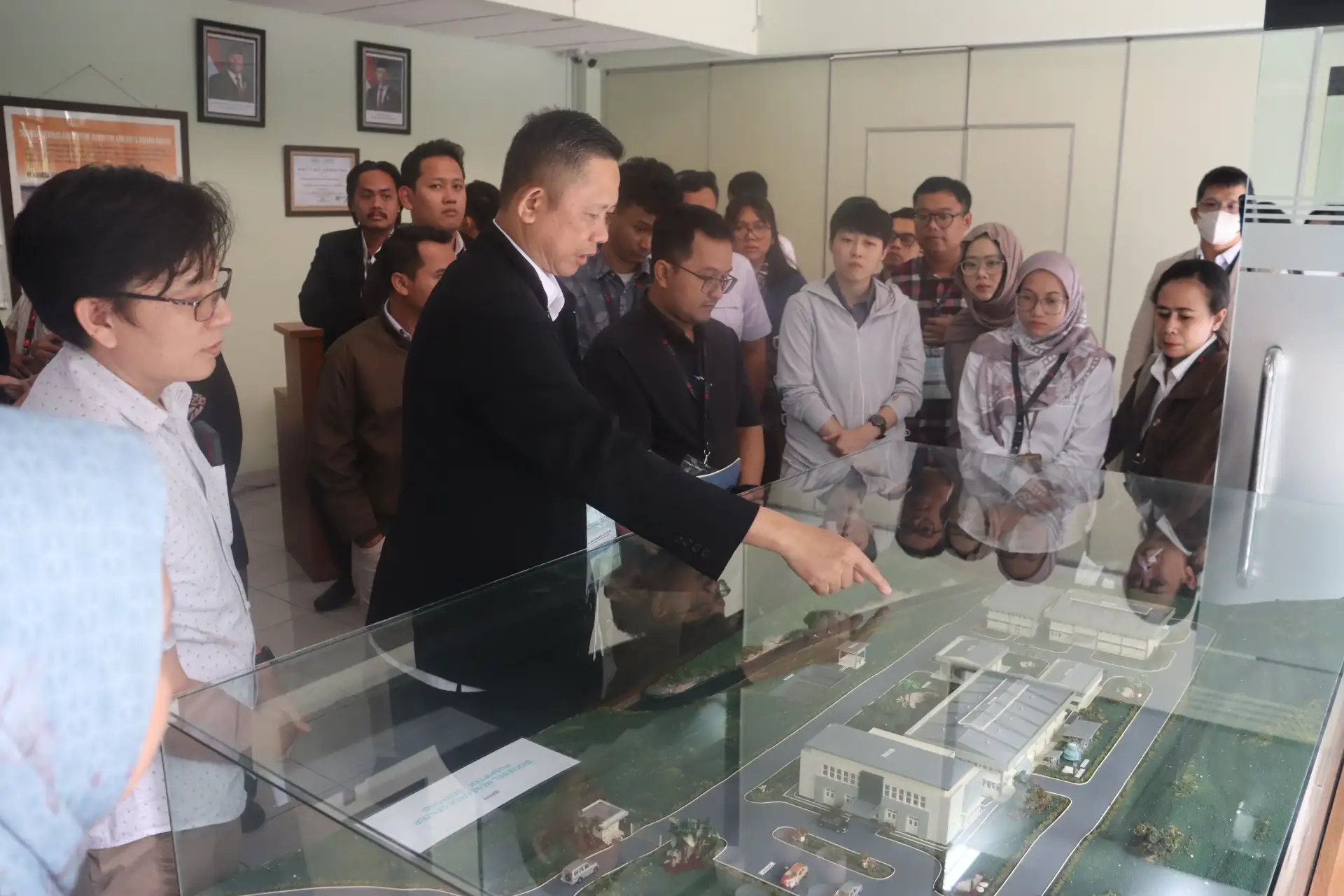
Deputy for Presidential Strategic Program Support at the Presidential Secretariat, Air Marshal Dedi Saprudin Samsudin, conducted a field inspection of the conservation center redevelopment on July 24, carrying a clear message from the Presidential Office that Indonesia’s endemic wildlife must not become a casualty of inadequate management or escalating human-elephant conflicts. The visit was accompanied by the Committee Chair, the Secretary of the Ministry’s Inspectorate General, and the Head of Way Kambas National Park.
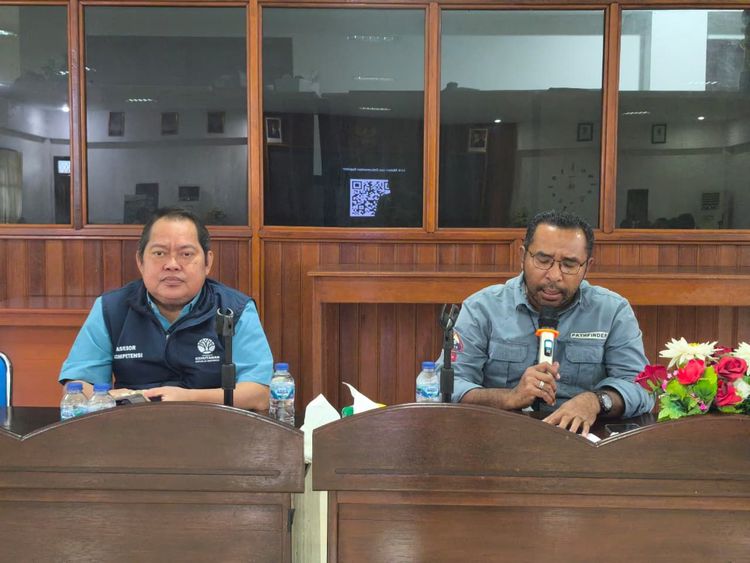
During the visit, Secretary of the Inspectorate General Joko Yunianto emphasized the importance of strengthening governance and oversight throughout program implementation. He stressed that the role of the Government Internal Supervisory Apparatus (APIP) must follow Minister of Forestry Decree No. 443 of 2026, which defines oversight responsibilities for budget disbursement, financial accountability, and state asset management among the Ministry of State Secretariat, the Indonesian Army Regional Command, and the Ministry of Forestry.
The Ministry also highlighted the need for continuous coordination among the committee, the Presidential Secretariat, relevant directorates within the Ministry, the Financial and Development Supervisory Agency (BPKP), and other internal oversight institutions to ensure the program is implemented transparensively, effectively, and in accordance with applicable regulations.
To reinforce accountability, the Ministry has engaged both the Financial and Development Supervisory Agency (BPKP) and the Audit Board of Indonesia (BPK) to provide technical assistance and supervision from the planning stage through implementation.
According to the Ministry, the initiative reflects Forestry Minister Raja Juli Antoni’s commitment to applying good governance principles, ensuring that every phase of the Presidential Assistance program is conducted transparently, responsibly, and efficiently while delivering tangible benefits for Sumatran elephant conservation, ecosystem restoration, and the welfare of communities surrounding Way Kambas National Park. (*)