Enviro News Asia, Antalya — Indonesia is stepping up efforts to prevent and control forest and land fires through satellite monitoring, early warning systems, community participation and ecosystem restoration, the Forestry Ministry said at the COP31 climate conference on Monday.
The strategy was outlined during the High-Level Dialogue on Technology and Innovation for Integrated Fire Management and Wildfire Resilience in Antalya, Türkiye, on Nov. 16. The forum was organised by the COP31 Turkish Presidency in partnership with the Global Fire Management Hub and the Forest and Climate Leaders’ Partnership (FCLP).
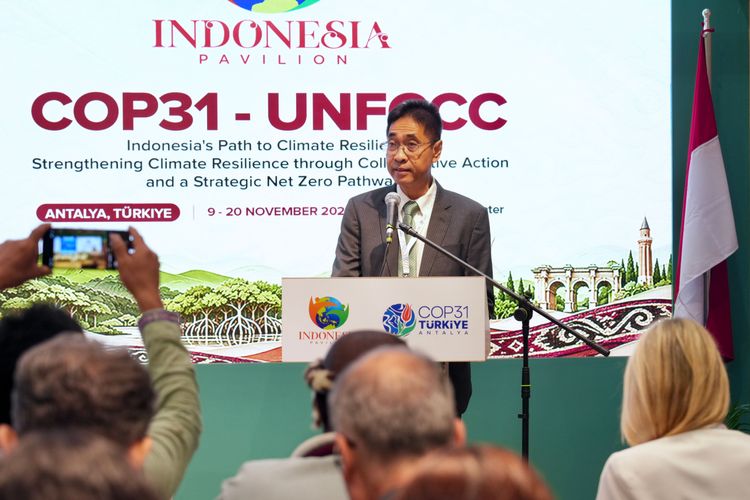
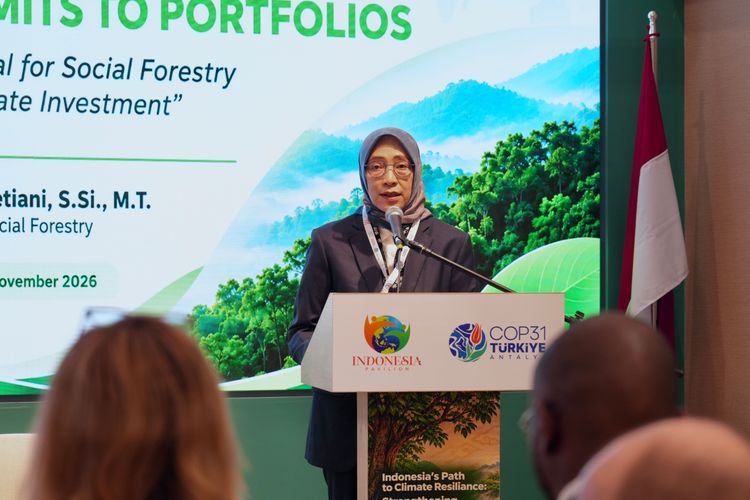
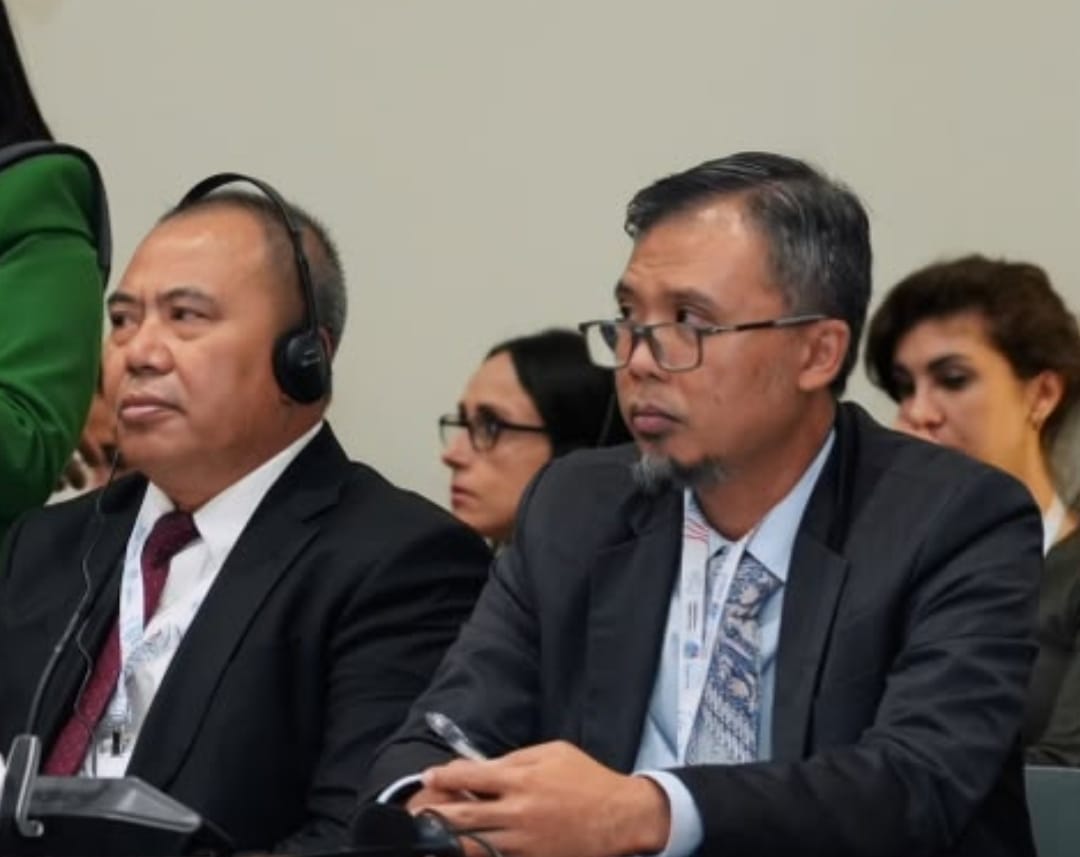
Indonesia was represented by the Forestry Ministry’s secretary general, who highlighted the country’s efforts to combine technology, operational readiness and community-based prevention.
The dialogue also marked the launch of the Antalya Action Plan on Integrated Fire Management and Wildfire Resilience, an international initiative aimed at strengthening fire prevention, preparedness, response and ecosystem resilience.
Indonesia uses its SiPongi+ platform to support satellite-based monitoring and early warnings, helping authorities identify potential fires and respond more quickly.
“Indonesia is strengthening integrated forest and land fire management by combining satellite-based monitoring and early warning systems, including SiPongi+, with community-based prevention, rapid response and ecosystem restoration,” the Indonesian delegation said in a statement.
The country has around 2,500 specialised Manggala Agni personnel under the Forestry Ministry, operating as part of its fire management system across 38 provinces. Their work is supported by more than 14,000 members of the Fire Care Community (MPA), who help prevent fires, conduct patrols, detect potential threats and respond to incidents at the local level.
Community involvement is central to the strategy. Through the MPA programme, the government seeks to improve residents’ ability to identify fire risks, monitor their surroundings and take preventive action before fires spread.
Coordination between Manggala Agni personnel, local communities and other stakeholders is intended to strengthen preparedness in fire-prone areas.
Indonesia is also addressing the underlying causes of fire vulnerability by restoring degraded ecosystems and managing peatlands and mangroves sustainably. Measures include peatland rewetting to maintain water levels and reduce the risk of fires.
The Antalya Action Plan aims to strengthen cooperation across the full fire management cycle, from prevention and preparedness to early detection, firefighting, rehabilitation and post-fire restoration.
Led by Türkiye with support from Brazil and the Republic of Korea, the initiative also promotes technology cooperation, knowledge exchange, capacity building and improved access to resources for countries facing wildfire risks.
Technologies highlighted during the dialogue included fire-risk forecasting systems, satellite monitoring, artificial intelligence, remote sensing and decision-support tools.
Indonesia stressed that technology must be supported by institutional capacity and local knowledge to ensure fire management systems work effectively under different regional conditions.
Through its participation, Indonesia called for a shift from a response-focused approach towards stronger prevention and long-term ecosystem resilience. Its experience with satellite monitoring, Manggala Agni operations, community participation and peatland restoration could contribute to international efforts to address increasingly complex wildfire risks linked to climate change. (*)