Enviro News Asia, Surabaya — Indonesia is strengthening the role of the forestry sector in meeting its national climate commitments by developing a credible, transparent, and high-integrity carbon market.
Alongside efforts to strengthen the national regulatory framework, the government is emphasizing human resource development to ensure that the forestry carbon market delivers measurable benefits for climate action, forest conservation, and local communities.
The issue was highlighted during a capacity-building workshop on Nature-based Solutions (NbS)-based carbon markets held in Surabaya on September 4–5, 2026. The workshop brought together stakeholders to strengthen understanding of international carbon integrity standards, national regulations, digital Measurement, Reporting and Verification (MRV), nested approaches, safeguards, and benefit-sharing mechanisms.
The event also introduced and strengthened participants’ understanding of the Core Carbon Principles (CCP), developed by the Integrity Council for the Voluntary Carbon Market (ICVCM) as a framework for promoting high-integrity carbon credits.
Head of the Human Resources Development Agency of the Ministry of Forestry, Indra Exploitasia, who opened the event, said carbon markets should not be viewed solely as trading mechanisms.
“Carbon markets must become instruments for building a high-integrity carbon market ecosystem that ensures real, measurable and verifiable emissions reductions, provides benefits for communities, and supports Indonesia’s climate targets,” Indra said.
He said achieving these objectives requires transforming human resources into human assets, making capacity development an important investment in building Indonesia’s carbon market ecosystem.
“Carbon market development must therefore be accompanied by a carbon competency framework, upskilling and reskilling programs, and relevant professional certification. Green jobs in the forestry sector do not only mean creating new jobs, but also transforming existing jobs by developing new competencies in line with the demands of a green economy,” he said.
The ministry’s Senior Adviser to the Minister, Edo Mahendra, said human resource capacity building must go hand in hand with the implementation of Presidential Regulation No. 110 of 2025 on the Implementation of Economic Value of Carbon Instruments and Minister of Forestry Regulation No. 6 of 2026 on Carbon Trading Procedures through Greenhouse Gas Emissions Offsetting in the Forestry Sector.
“Regulations provide the foundation for governance, but market integrity is largely determined by the quality of the human resources implementing them. We need professionals who not only understand regulations but are also capable of managing carbon data, MRV, safeguards, project integrity and market mechanisms,” Edo said.
The workshop also included a field activity at a mangrove forest area managed by the East Java provincial government. The activity was intended to give participants practical perspectives on carbon markets as part of the broader economic and employment transformation of the forestry sector.
Going forward, capacity-building efforts are expected to focus on developing professionals capable of maintaining the quality and integrity of Indonesia’s carbon units while ensuring that carbon markets generate tangible benefits for communities and support sustainable forest management.
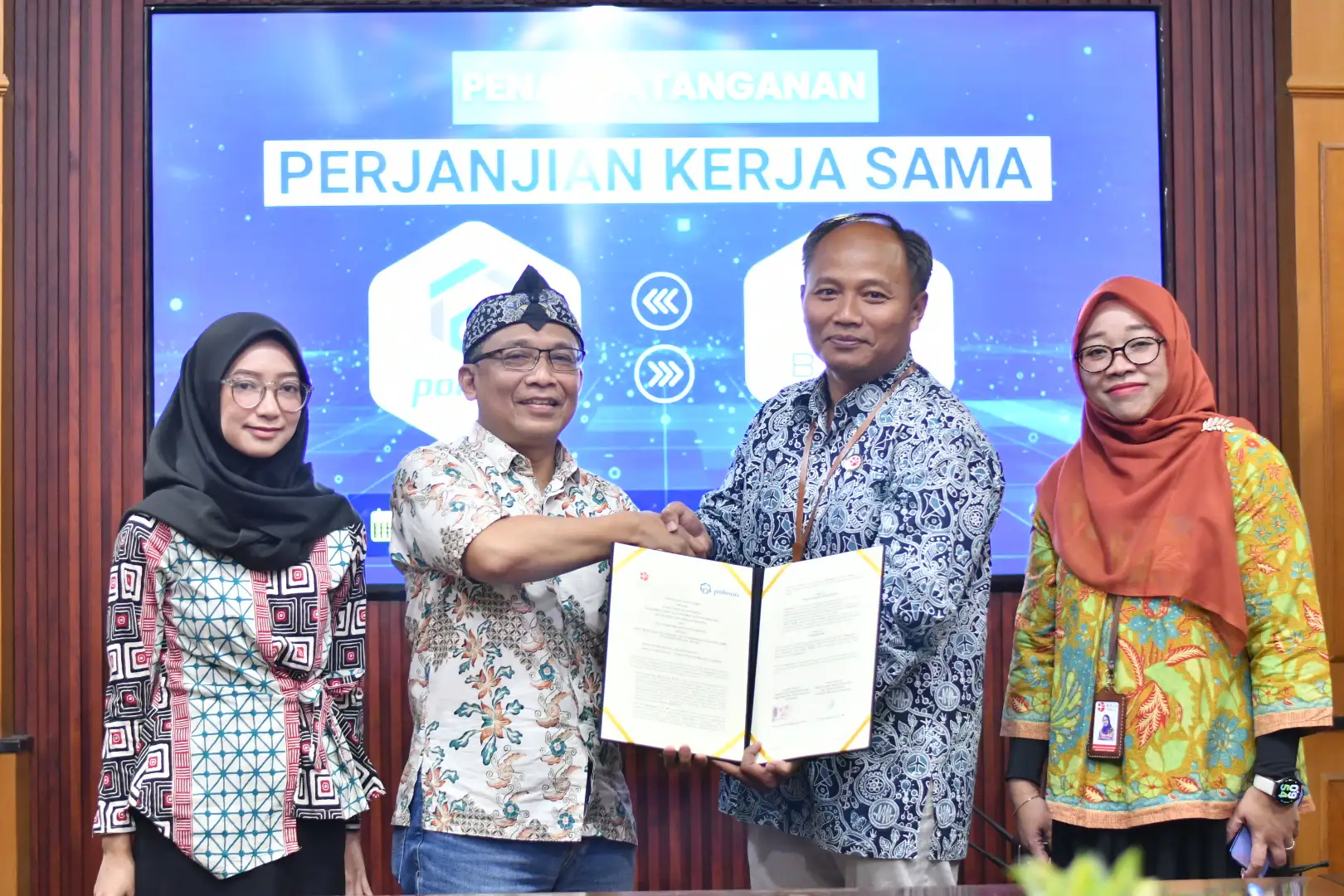
Photo caption: Participants attend a capacity-building workshop on high-integrity forestry carbon markets and Nature-based Solutions in Surabaya, East Java.
SEO keywords: Indonesia carbon market, forestry carbon market, carbon market integrity, forest carbon Indonesia, green jobs, Nature-based Solutions, carbon MRV, carbon trading Indonesia, climate finance, sustainable forestry. (*)