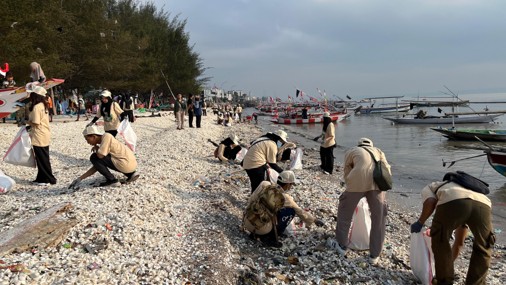
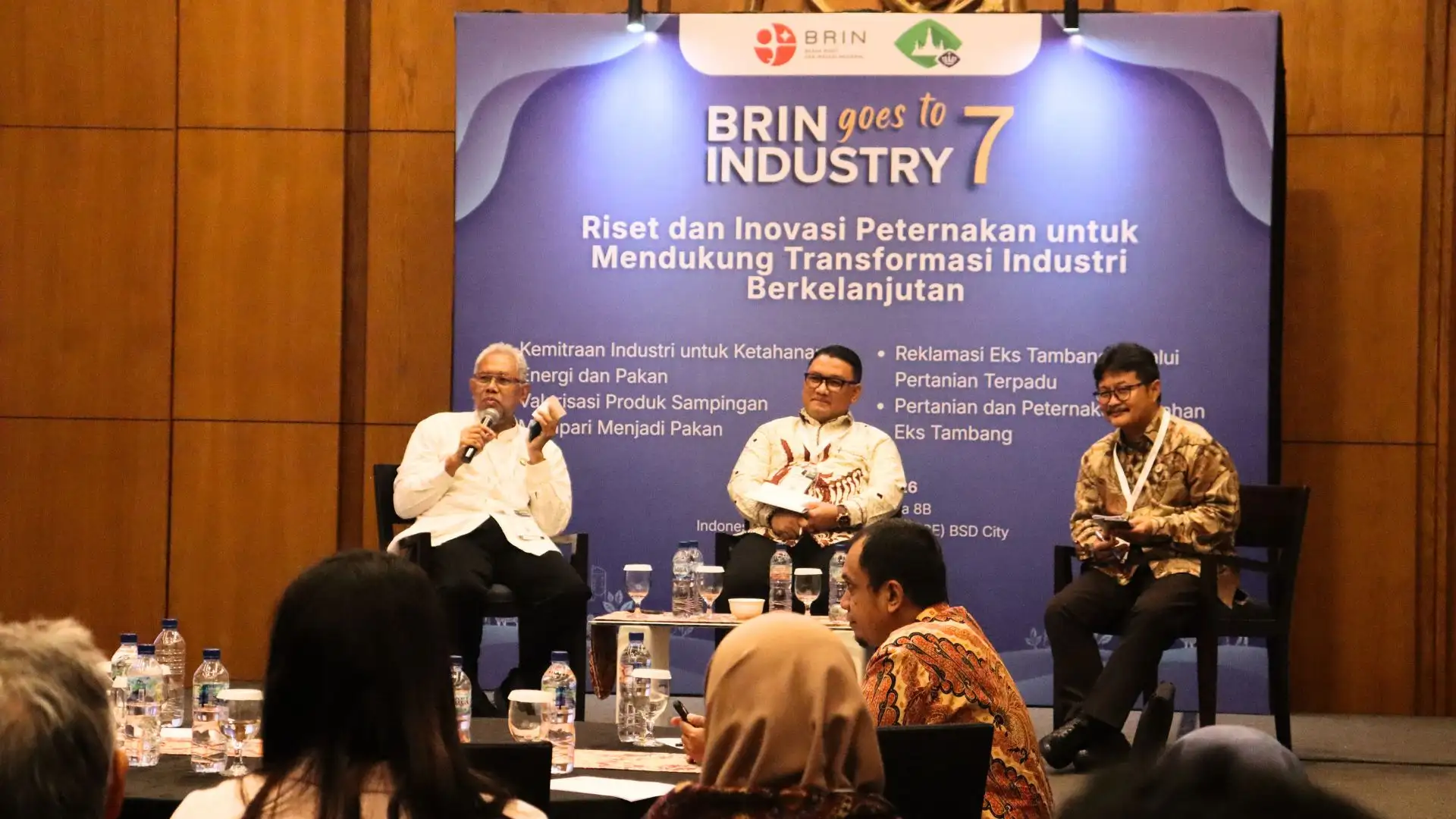
Enviro News Asia, Depok — Indonesia is strengthening efforts to restore and protect its lake ecosystems as part of a national strategy to safeguard water, food and energy security amid growing environmental pressures.
The Ministry of Environment and the Environmental Control Agency (KLH/BPLH) reaffirmed the commitment during the 2026 World Lake Day commemoration in Depok, West Java, on August 27, 2026. The event was held under the global theme “Healthy Lakes, Saving Generations.”
Minister of Environment and Head of BPLH Moh Jumhur Hidayat said Indonesia has 2,961 lakes, many of which play critical roles in supporting communities and the national economy.
“Lakes are not merely aquatic landscapes, but sources of life that support food and energy security, water resources, tourism, carbon absorption, microclimate stabilization and community culture,” Jumhur said.
However, the government said Indonesia’s lakes are facing increasing environmental degradation. Major pressures include damage to water catchment areas, conversion of lake buffer zones, pollution and eutrophication, excessive use of floating net cages, the spread of aquatic weeds, invasive foreign fish species and sedimentation that causes severe shallowing.
The government also highlighted the long recovery period required for lake ecosystems because of their hydrological characteristics and long water residence times. Restoration therefore requires consistent and integrated management from upstream catchment areas to downstream ecosystems.
As part of its concrete measures, KLH/BPLH is working with regional governments to optimize the Ecosystem Protection and Management Plan (RPPE) for 15 National Priority Lakes for the 2025–2029 period.
The program focuses on improving water quality, controlling pollution, regulating floating net cage activities, rehabilitating water catchment areas, controlling aquatic weeds, protecting endemic biodiversity and aligning regional spatial planning.
KLH/BPLH has outlined three main commitments to guide national lake protection policies.
First, the government will strengthen regulations for the protection of lake ecosystems at both national and regional levels.
Second, it will expand collaborative action involving different stakeholders and sectors.
Third, lake conservation will be integrated into the global water agenda to strengthen international cooperation and Indonesia’s contribution to global water governance.
UN Secretary-General’s Special Envoy for Water Retno Lestari Priansari Marsudi said the establishment of World Lake Day on August 27 through UN Resolution A/RES/79/142 was the result of Indonesia’s long-term environmental diplomacy, rooted in the 10th World Water Forum held in Bali.
Retno emphasized that the international recognition of World Lake Day must be followed by concrete action on the ground.
“World Lake Day must go beyond celebration. It is about taking real action to protect our lakes,” Retno said, adding that protecting lakes also means protecting freshwater reserves, livelihoods and future generations.
The 2026 commemoration brought together representatives from government institutions, foreign countries, regional administrations, international organizations, academics, communities and young people. Organizations attending included the Asian Infrastructure Investment Bank (AIIB), United Nations Environment Programme (UNEP), UNESCO, the International Fund for Agricultural Development (IFAD) and the International Union for Conservation of Nature (IUCN).
KLH/BPLH said the involvement of multiple sectors and stakeholders is essential because lake restoration cannot be addressed by a single institution.
Jumhur stressed that protecting and restoring Indonesia’s inland water ecosystems requires joint action by the central government, regional governments, academics, businesses, communities and, particularly, younger generations.
The government views the restoration of lakes as a long-term environmental priority that is closely linked to Indonesia’s efforts to strengthen water security, food security, ecosystem resilience and sustainable development. (*)