Enviro News Asia, New York — Indonesia is strengthening international cooperation to protect Raja Ampat, one of the world’s richest marine biodiversity areas, while ensuring conservation delivers tangible benefits to local communities.
The commitment was highlighted at the “Raja Selamanya Alliance Dinner” hosted by the International Union for Conservation of Nature (IUCN) and Earthbar in New York on September 21, 2026.
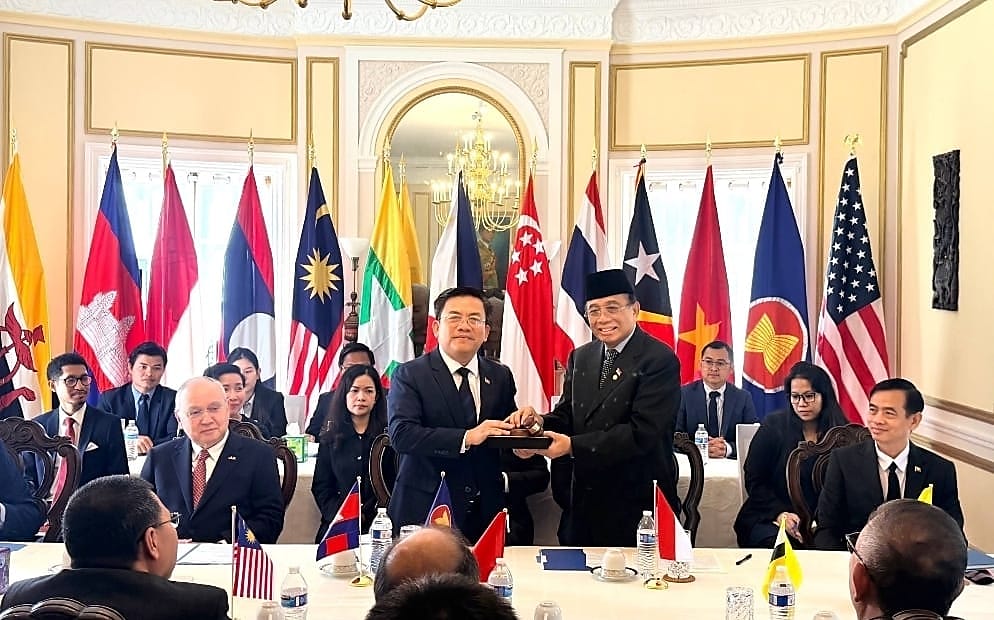
The event brought together diplomats, conservation leaders, philanthropists and international organizations to discuss efforts to safeguard Raja Ampat and strengthen long-term conservation partnerships.
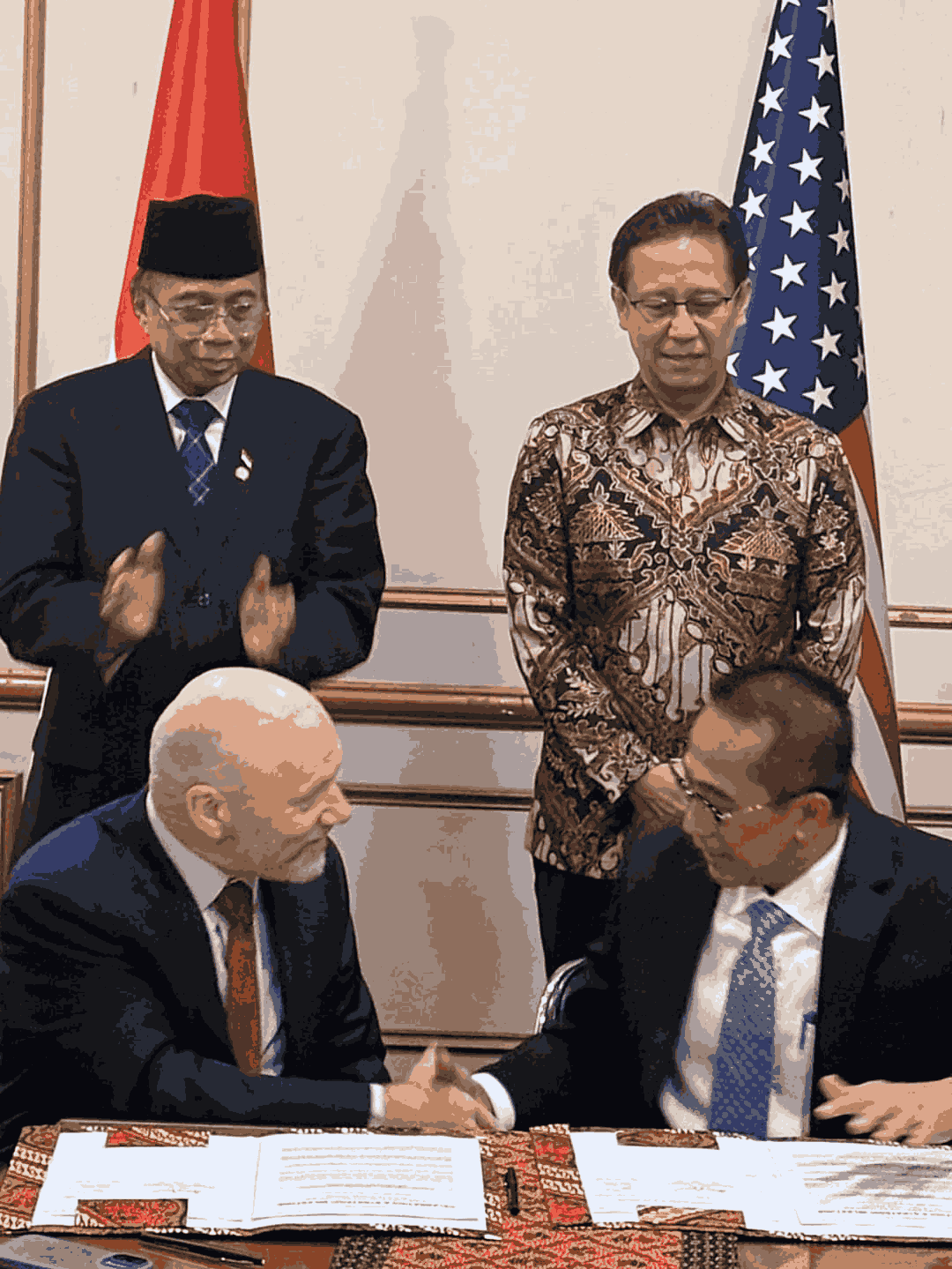
Indonesian Ambassador to the United States Indroyono Soesilo attended the event, along with IUCN President Razan Khalifa Al Mubarak, philanthropist Fran Mars of the Mars family, IUCN representative Richard Schenider, Global Environment Facility (GEF) CEO and Chairperson Diego Mesa Puyo, and Conservation International CEO Sebastian Troeng.
Raja Ampat is considered strategically important not only for Indonesia but also for global marine health. The Raja Ampat UNESCO Global Geopark covers approximately 3.7 million hectares, encompassing marine areas, island groups, karst landscapes, forests and remarkable geological features.
Its waters are home to more than 1,600 reef fish species and over 550 coral reef species, making the region one of the planet’s major centers of marine biodiversity.
Indonesia views Raja Ampat not simply as a leading tourism destination but as a national responsibility and part of the country’s contribution to global environmental protection.
Raja Ampat’s designation as a UNESCO Global Geopark in 2023, along with its recognition as a UNESCO Biosphere Reserve, highlights its importance as a landscape where nature conservation, culture, science, education and sustainable development intersect.
At the national level, the Indonesian Government has established the Task Force for Innovative Financing of National Park Management through Presidential Decree No. 8 of 2026.
The task force is tasked with developing stronger governance, partnerships and innovative financing mechanisms for Indonesia’s national parks. The initiative is intended to strengthen conservation management while generating greater benefits for communities living around protected areas.
The government is currently preparing 13 national parks as pilot projects for world-class conservation management, including Raja Ampat National Park.
Through cooperation with IUCN, GEF, Conservation International, philanthropic organizations and other partners, Indonesia is promoting an approach to conservation that goes beyond protecting wildlife and coral reefs.
The approach seeks to provide direct economic and social benefits to communities in Raja Ampat through sustainable fisheries, responsible tourism, green employment, education and stronger local economies.
The discussions in New York underscored Indonesia’s view that protecting Raja Ampat is also part of protecting a critical center of global marine life, with Indonesia seeking to strengthen its role in international conservation efforts. (*)