Enviro News Asia, Jambi – Indonesia’s Ministry of Forestry has strengthened national efforts to prevent forest and land fires by reinforcing the Zero Forest and Land Fire (Zero Karhutla) commitment among forest utilization permit holders (PBPH) in Jambi Province ahead of the peak dry season.
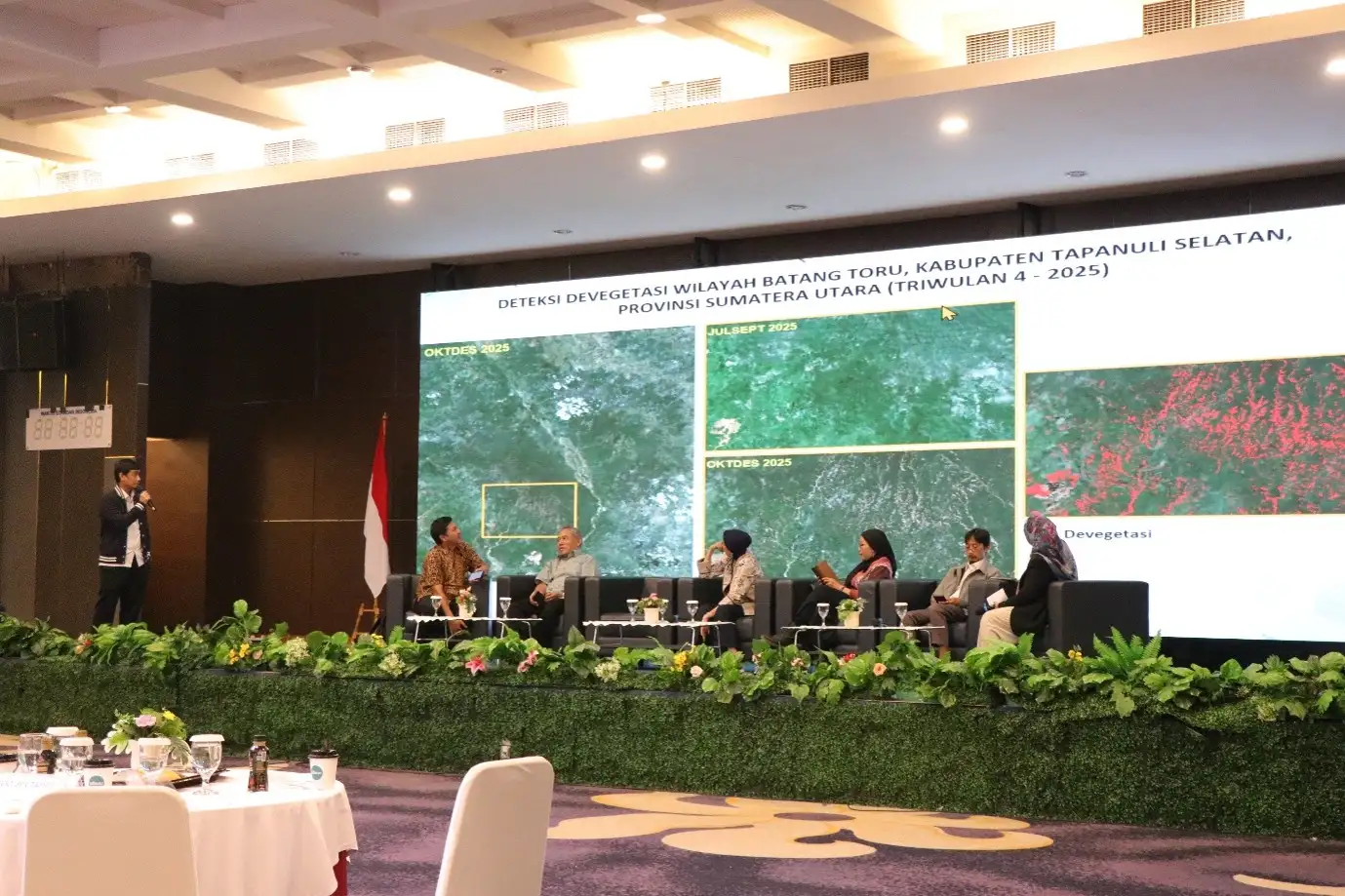
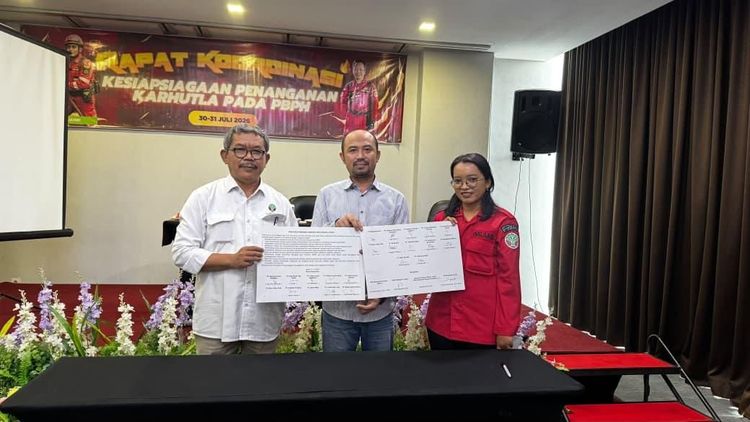
The initiative was carried out through a Forest and Land Fire Preparedness Coordination Meeting organized by the Ministry’s Regional Sustainable Forest Management Center (BPHL) Region IV on July 30–31. The meeting aimed to enhance coordination and operational readiness among PBPH holders and Forest Management Units (KPH) in responding to wildfire risks.
The program implements President Prabowo Subianto’s directive to safeguard Indonesia’s forests and environment as a foundation for sustainable national development. Forestry Minister Raja Juli Antoni has translated this vision into strengthened forest fire prevention systems and preparedness measures across the country.
The coordination meeting brought together representatives from forest concession holders and Forest Management Units across Jambi Province. KPHs play a strategic role in monitoring forest areas, improving early detection systems, coordinating field operations, and providing rapid responses to potential fire incidents.
To strengthen technical capacity, the ministry invited experts from the Jambi Provincial Forestry Office, Sultan Thaha Class I Meteorological Station, the Jambi Provincial Regional Disaster Management Agency (BPBD), and the Jambi Regional Chapter of the Indonesian Forest Concession Holders Association (APHI).
Andi Rohaendi, Head of the Regional Sustainable Forest Management Center (BPHL) Region IV, emphasized that prevention remains the most effective strategy for controlling forest and land fires.
“Through this Zero Forest Fire commitment, we expect all PBPH holders to consistently fulfill their responsibilities in preventing forest and land fires across Jambi Province,” Andi said.
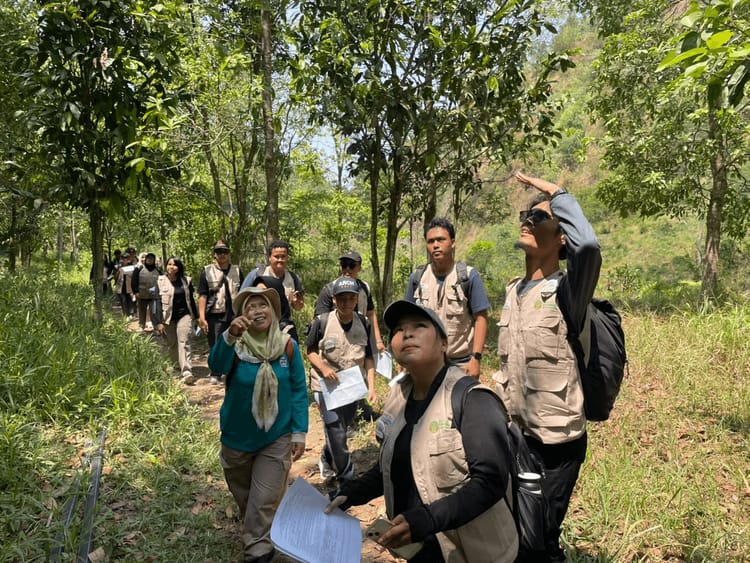
Participants received updates on wildfire vulnerability across Jambi, seasonal weather and climate forecasts, disaster management strategies, and practical measures to strengthen preparedness within concession areas and Forest Management Units.
Head of Sultan Thaha Class I Meteorological Station, Ibnu Sulistyono, stressed that weather and climate information should serve as the basis for patrol planning and field preparedness.
“Early vigilance is one of the most important factors in preventing forest and land fires,” Ibnu said.
Meanwhile, Andre Eko Rinjani, Head of Emergency and Logistics at the Jambi Provincial Disaster Management Agency, highlighted the importance of integrated coordination among all stakeholders.
“Forest and land fire management cannot be handled by a single institution. Limited access, water shortages, peatland characteristics, weather conditions, and land-clearing practices require coordinated preparedness involving personnel, equipment, integrated command posts, and collaboration among government agencies, businesses, and local communities,” Andre said.
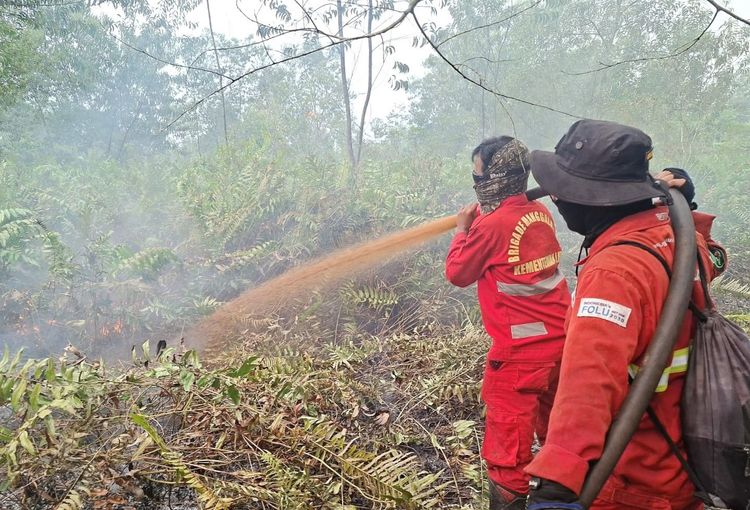
The ministry also urged PBPH holders to ensure the readiness of trained personnel, firefighting equipment, communication systems, integrated patrols, and coordination mechanisms with Forest Management Units, local governments, communities, and other relevant stakeholders.
At the same time, Forest Management Units were encouraged to optimize field monitoring, facilitate cross-sector coordination, and strengthen rapid response mechanisms whenever hotspots or early signs of fire are detected.
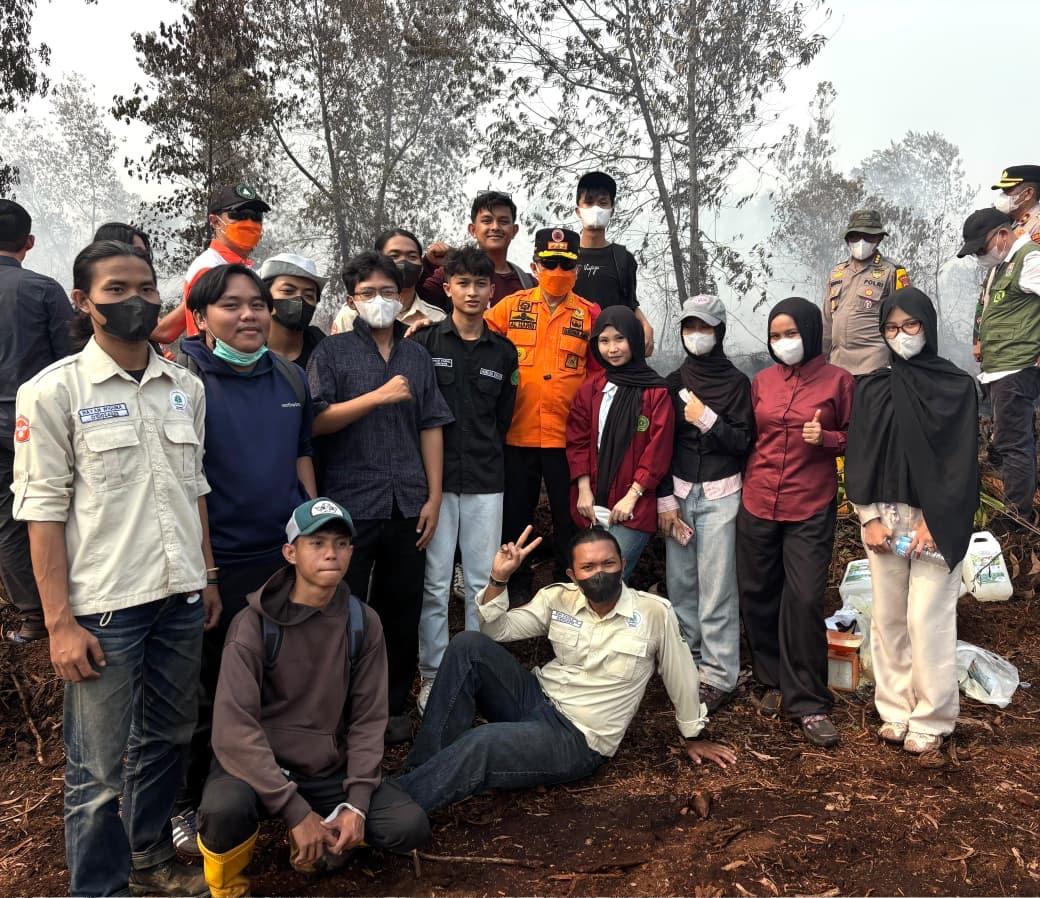
As the meeting concluded, all PBPH holders operating in Jambi signed a Zero Forest and Land Fire Commitment Declaration, reaffirming their collective pledge to prioritize prevention, improve preparedness, and strengthen collaboration in protecting forests, local communities, and the long-term sustainability of Indonesia’s forestry sector.
The Ministry of Forestry said the initiative is expected to reinforce cooperation among concession holders, Forest Management Units, central and regional governments, and other stakeholders in implementing integrated fire prevention, early detection, patrol operations, and rapid wildfire response.
The ministry emphasized that sustained collaboration among all parties remains essential to achieving sustainable forest management while supporting the goal of a forest fire-free Jambi Province. (*)