

Enviro News Asia, Jakarta — Indonesia’s Ministry of Environment and Environmental Control Agency (KLH/BPLH) and the Indonesian Forest Concession Holders Association (APHI) have strengthened coordination on forest and land fire prevention, peatland management, environmental governance, carbon trading implementation, and environmental compliance in the forestry sector.
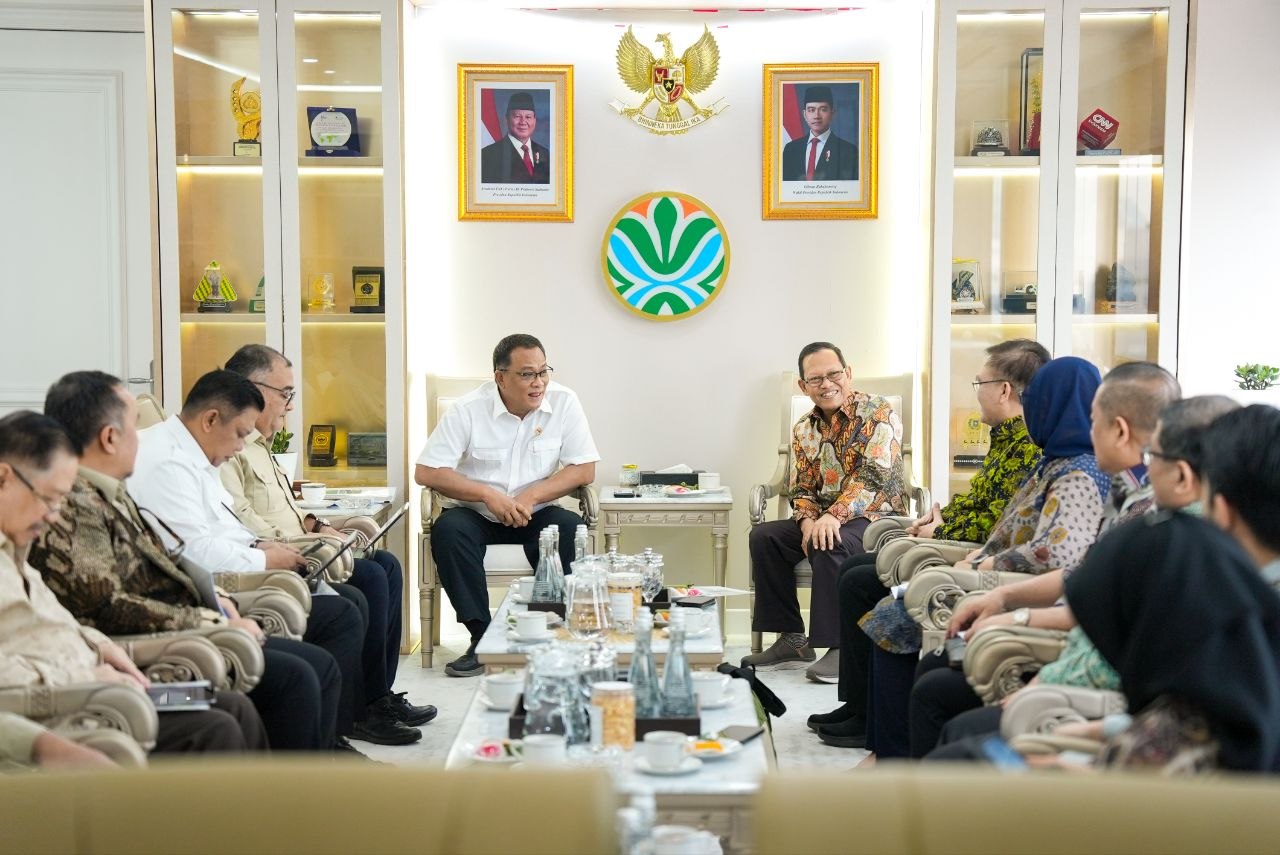
The commitments were discussed during a meeting in Jakarta on Wednesday, where both parties agreed to enhance cooperation to improve environmental performance while supporting sustainable forest management.
Minister of Environment and Head of KLH/BPLH Moh Jumhur Hidayat emphasized that forestry businesses must play a greater role in preventing forest and land fires, controlling deforestation, and improving environmental quality.
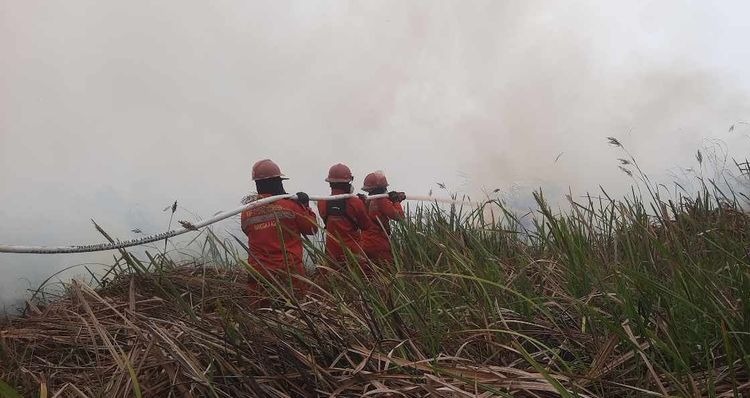
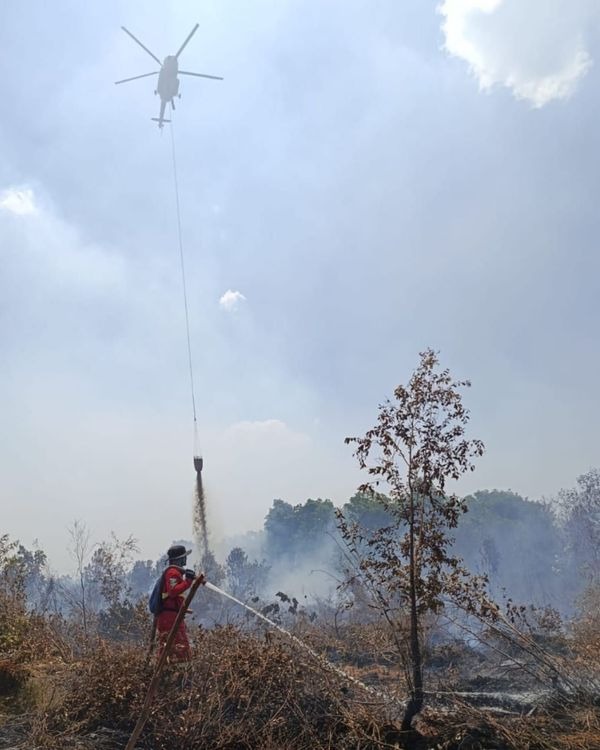
“Forest and land fires within Forest Utilization Business License (PBPH) concession areas must be prevented because their impacts are extensive. Companies should also participate in mitigating fires in open areas surrounding their concessions, particularly in anticipation of El Niño conditions,” Jumhur said.
He stressed that wildfire prevention should begin well before the dry season through stronger risk management, improved preparedness, adequate firefighting infrastructure, and closer collaboration among companies, local governments, and surrounding communities.
The Minister also urged forestry companies to intensify efforts to prevent deforestation, noting that the issue remains under close international scrutiny. He called for stronger cooperation between the government and the private sector to restore approximately 12.4 million hectares of degraded land across Indonesia.
On carbon markets, Jumhur emphasized that carbon trading initiatives should generate tangible environmental and social benefits while contributing to climate change mitigation, adaptation, and improved livelihoods for communities living around forest areas.
“Carbon credit implementation must deliver real benefits to local communities. Environmental protection, social development, and community welfare should progress in a balanced manner,” he said.
APHI Chairman Soewarso reaffirmed the association’s commitment to encouraging all member companies to strengthen wildfire prevention systems and improve compliance with environmental regulations.
He said APHI supports objective implementation of Indonesia’s Corporate Environmental Performance Rating Program (PROPER) and law enforcement while continuing to improve fire risk management and coordination with government agencies and local communities.
According to Soewarso, PROPER assessments should take into account the operational characteristics of PBPH concession areas, many of which are located in remote regions with limited infrastructure. He also suggested that wildfire evaluations should consider the causes of individual fire incidents as well as the preventive and mitigation measures undertaken by concession holders.
APHI further proposed improvements to PROPER assessment criteria, faster processing of environmental permit revisions, and peatland management policies that maintain ecological functions while providing greater regulatory certainty for sustainable forestry operations.
The association also called for the integration of Indonesia’s Carbon Unit Registry System with the Ministry of Forestry’s platform and internationally recognized carbon standards to enhance the transparency, credibility, and effectiveness of carbon trading in the forestry sector.
Both parties expressed hope that the meeting would serve as the foundation for further technical coordination among KLH/BPLH, APHI, and relevant ministries to harmonize policies, strengthen environmental compliance, support sustainable forestry businesses, and safeguard Indonesia’s forest ecosystems. (*)