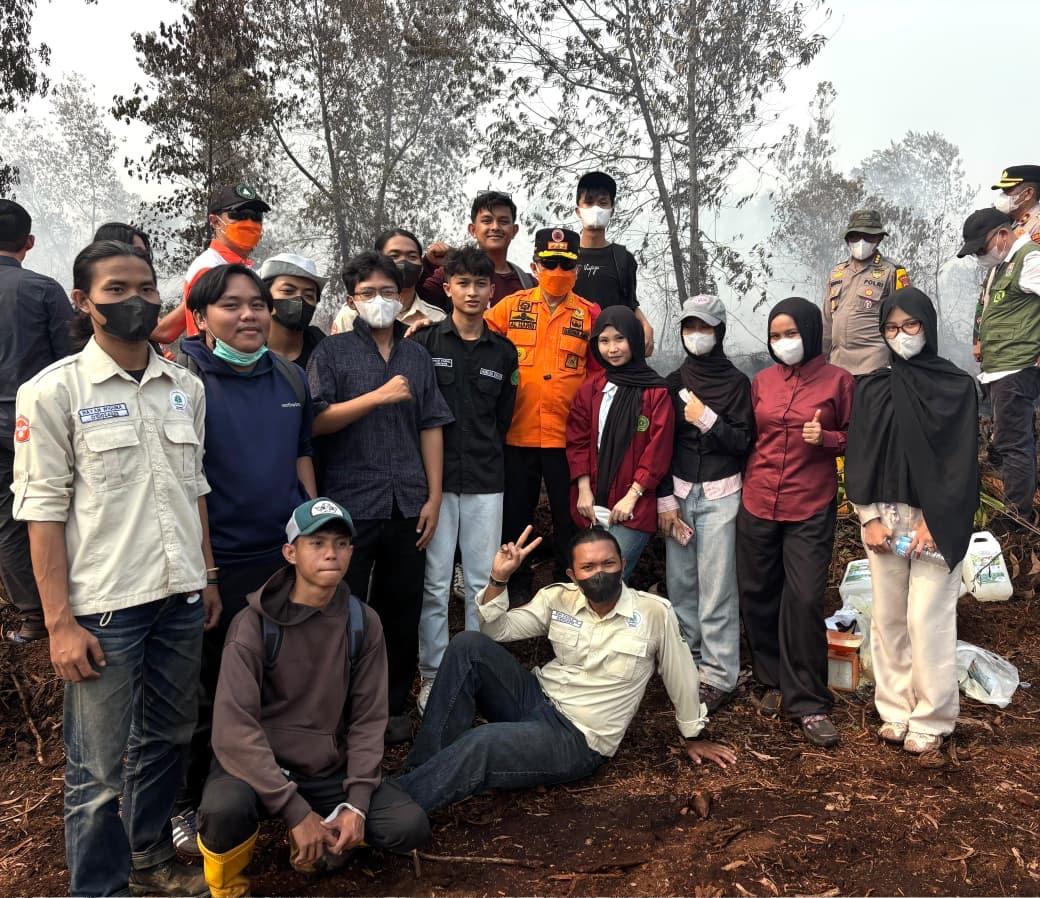
Enviro News Asia, Jambi — Jambi Governor Al Haris and Commander of Korem 042/Garuda Putih Brig. Gen. TNI Nyamin joined a field learning session on forest and land fire prevention and response for university students at the Londerang Peat Protected Forest in Parit Culum, East Tanjung Jabung Regency, Jambi, on Wednesday, September 16, 2026.
PT Wirakarya Sakti (PT WKS), an APP Group business unit, organized the program in collaboration with the Jambi chapter of the Indonesian Forest Concessionaires Association (APHI). The activity brought together 20 students from Jambi University (UNJA), Muhammadiyah University of Jambi, and Jambi State Islamic University (UIN).
During the session, Al Haris and Brig. Gen. Nyamin discussed the importance of prevention, preparedness, and cross-sector collaboration in managing forest and land fires, locally known as karhutla. The students also observed firsthand the challenges of fire response in peatland ecosystems.
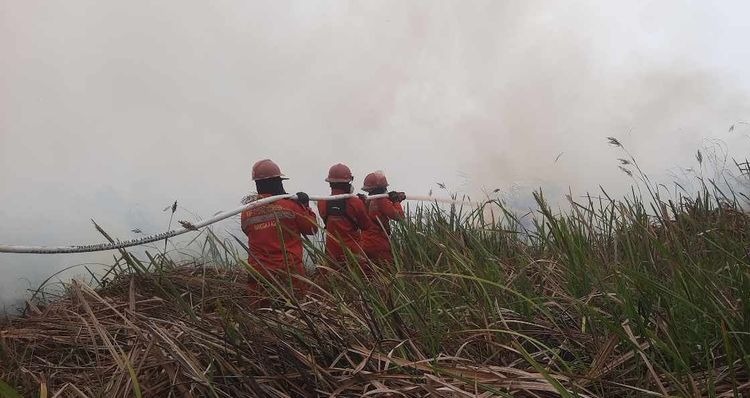
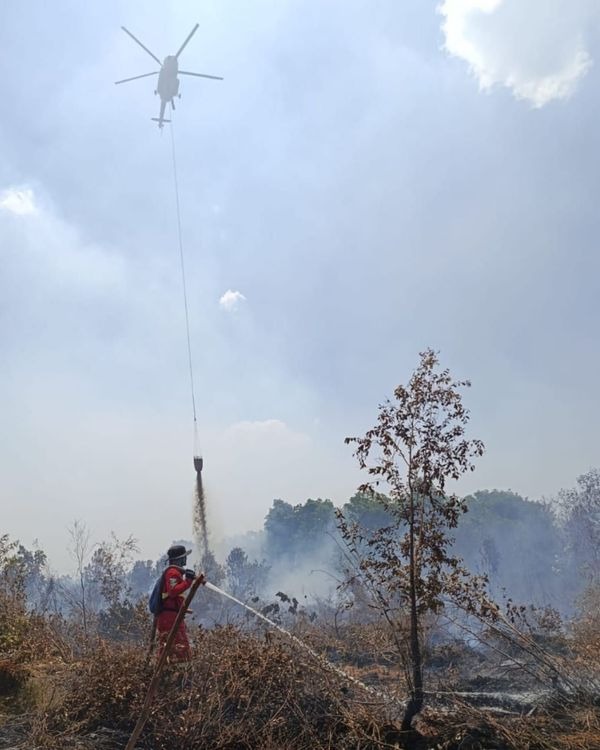
Accompanied by PT WKS Firefighting Teams, the students learned about the characteristics of peatland fires and the use of firefighting equipment, including pumps, hoses, and nozzles.
Under the supervision of firefighting personnel, the students were also allowed to participate in limited firefighting activities. The practical experience gave them a closer understanding of the difficulties involved in suppressing peat fires and the importance of early prevention.
Fadly, a Forestry student at UNJA, said the field experience helped him understand the complexity of peatland fires and their impact on communities.
“We were deeply concerned by the conditions we saw in the field. Peatland fires are not easy to control. Smoke can also reach urban areas, affecting visibility and breathing. This experience has strengthened our understanding of the importance of prevention to stop fires from spreading,” Fadly said.
Rahman, a student at UIN Jambi, said the opportunity to observe and assist with firefighting provided valuable lessons about preparedness.
“For us, this was an extraordinary experience because we could see the conditions of a peatland fire firsthand and help with the firefighting process. It also helped us understand how important prevention and preparedness are,” Rahman said.
Septi, a student at Muhammadiyah University of Jambi, said the field activity complemented knowledge gained through classroom learning.
“This activity was very beneficial for us. We learned about prevention while gaining direct experience of fire response in peatland areas. Experiences like this help us better understand the importance of protecting the environment and preventing fires,” Septi said.
PT WKS Head of Public Relations and Chairman of APHI Jambi, Taufik Qurochman, said involving students was part of an effort to expand understanding of fire prevention and response among younger generations.
“Students are an important part of agents of change. Through this field learning activity, we want to give them an opportunity to directly understand the complexity of forest and land fire prevention and response, including the challenges of peatland fires,” Taufik said.
He added that the experience could strengthen students’ understanding and encourage them to share knowledge within their campuses and communities.
According to Taufik, forest and land fire control requires an integrated approach covering education, prevention, monitoring and early detection, preparedness, and field response.
He said continued cooperation among government institutions, the military, businesses, communities, academics, and other stakeholders remains important to strengthen fire prevention and response.
The field activity forms part of ongoing collaboration between PT WKS, APHI Jambi, universities, and other stakeholders to expand public education on forest and land fires and encourage young people to contribute to environmental awareness and early fire prevention. (*)