Enviro News Asia, Jakarta — Forest and land fire preparedness in Indonesia needs to continue even as rainfall begins to increase, environmental, climate and geospatial observer A. Karsidi said, warning that soil moisture and peatland hydrological conditions may not recover evenly.
In his assessment of Indonesia’s weather and climate conditions from September 2026 to March 2027, Karsidi said authorities and stakeholders should continue anticipating drought and forest and land fires while risks gradually shift toward the seasonal transition.
“One rainfall event should not immediately be considered enough to eliminate the threat because deeper peat layers can remain dry. Response efforts should not stop after fires are extinguished or rainfall begins,” Karsidi said in a written analysis dated September 19.
His analysis referred to the Meteorology, Climatology and Geophysical Agency’s (BMKG) first ten-day period atmospheric dynamics report for September 2026 and the ENSO development and forecast report issued by the US National Oceanic and Atmospheric Administration’s Climate Prediction Center (NOAA/CPC) on September 14.
Karsidi said September and October should remain a focus for managing drought, declining water availability and forest and land fire risks. Dry vegetation and falling groundwater levels in peatlands can increase the vulnerability of areas to fires.
He cited BMKG data showing that during the first ten days of September, 92.62% of Indonesia experienced low rainfall, while 92.86% recorded below-normal rainfall conditions. Meanwhile, 80.7% of the country, covering 564 seasonal zones, was still experiencing the dry season.
Karsidi said small changes in the area affected by the dry season were not sufficient to indicate nationwide recovery. Localized rainfall in some areas also does not necessarily mean that drought pressure has ended elsewhere.
“October cannot yet be considered the beginning of a stable rainy season. In many areas, particularly south of the equator, the month could still represent a continuation of the dry period, so preparedness for prevention and firefighting needs to be maintained,” he said.
Karsidi identified El Niño as an important factor influencing these conditions. He also called for continued monitoring of the Indian Ocean Dipole (IOD), whose movement toward a positive phase could increase dry conditions in parts of Indonesia.
However, he stressed that an upward trend in the IOD index alone is not sufficient to conclude that a strong positive IOD event has already developed.
Entering November, the analysis projects that the area experiencing very dry conditions will begin to shrink. The transition toward wetter conditions, however, could occur unevenly, with some areas continuing to experience drought while others begin receiving more rainfall.
This transition could create overlapping risks, including forest and land fires that have not fully subsided alongside localized heavy rain, lightning, strong winds, floods and landslides.
“A reduction in areas with a high probability of very low rainfall does not mean that all areas will automatically receive normal rainfall. The recovery of water resources and land moisture still needs to be monitored,” Karsidi said.
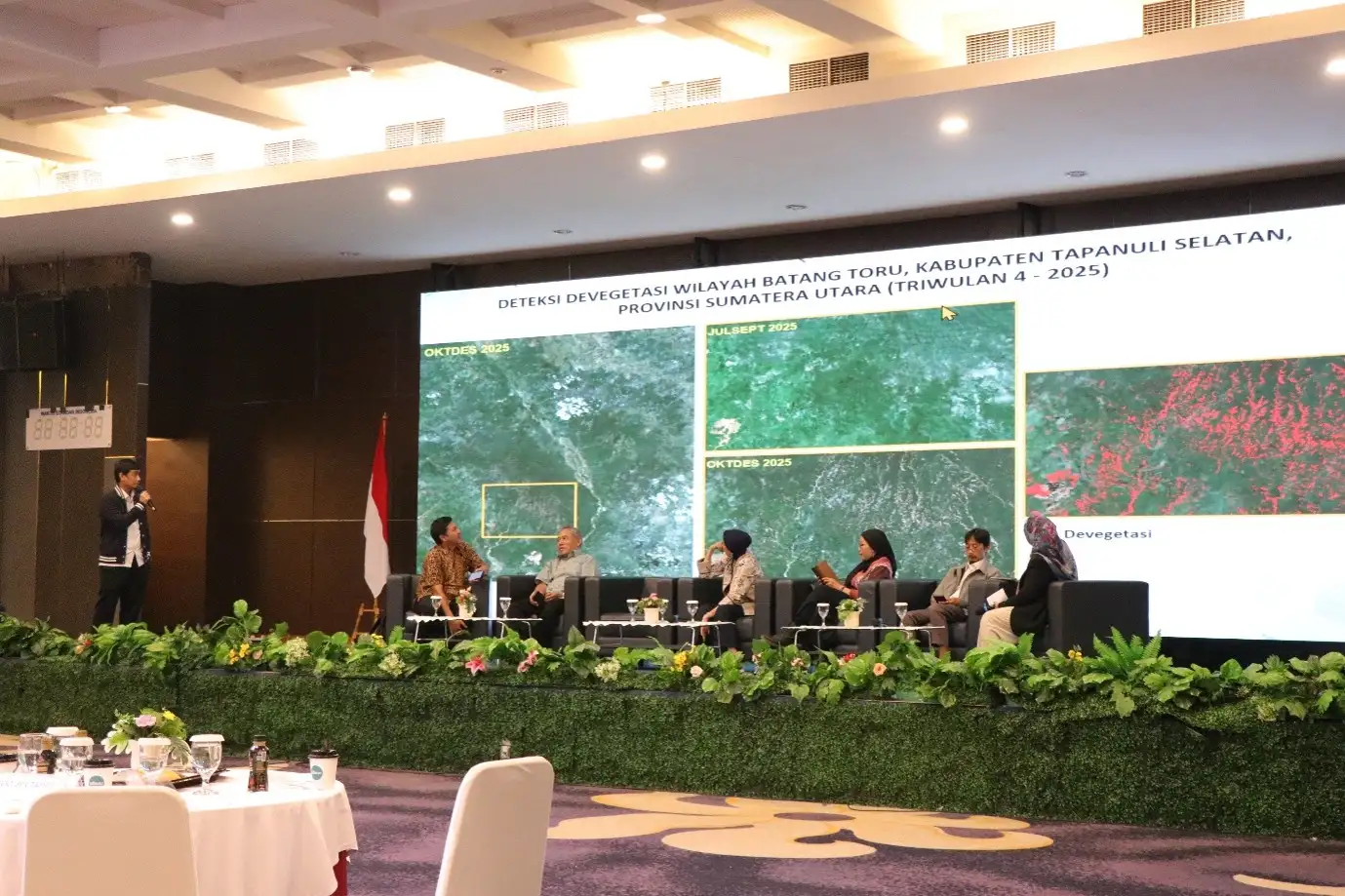
To strengthen forest and land fire prevention, Karsidi recommended integrated monitoring of rainfall, consecutive dry days, peat groundwater levels, soil moisture, hotspots, wind direction and speed, fire danger levels and air quality.
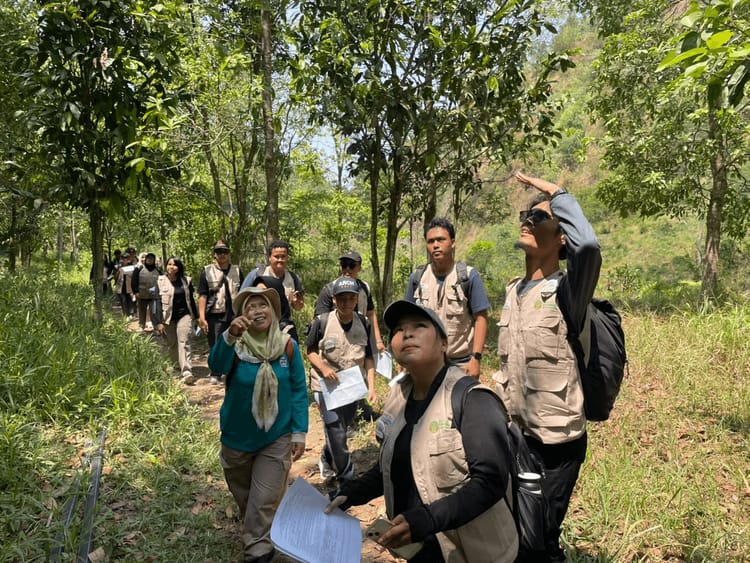
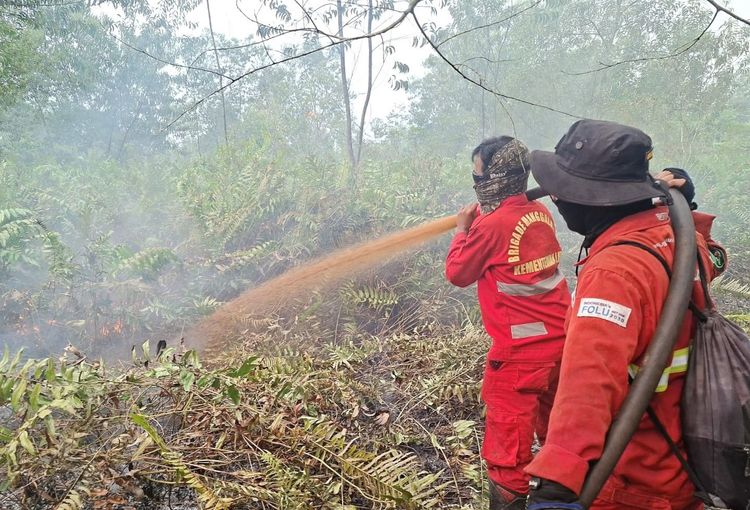
Field measures should include maintaining peatland water management systems, inspecting canal-blocking structures, ensuring the availability of water sources and pumps, increasing patrols in areas with a history of fires, and responding rapidly to signs of fire.
He also said weather modification operations could be used when suitable clouds are available to support peatland and watershed wetting. However, such operations should be implemented alongside proper land and peatland hydrological management.
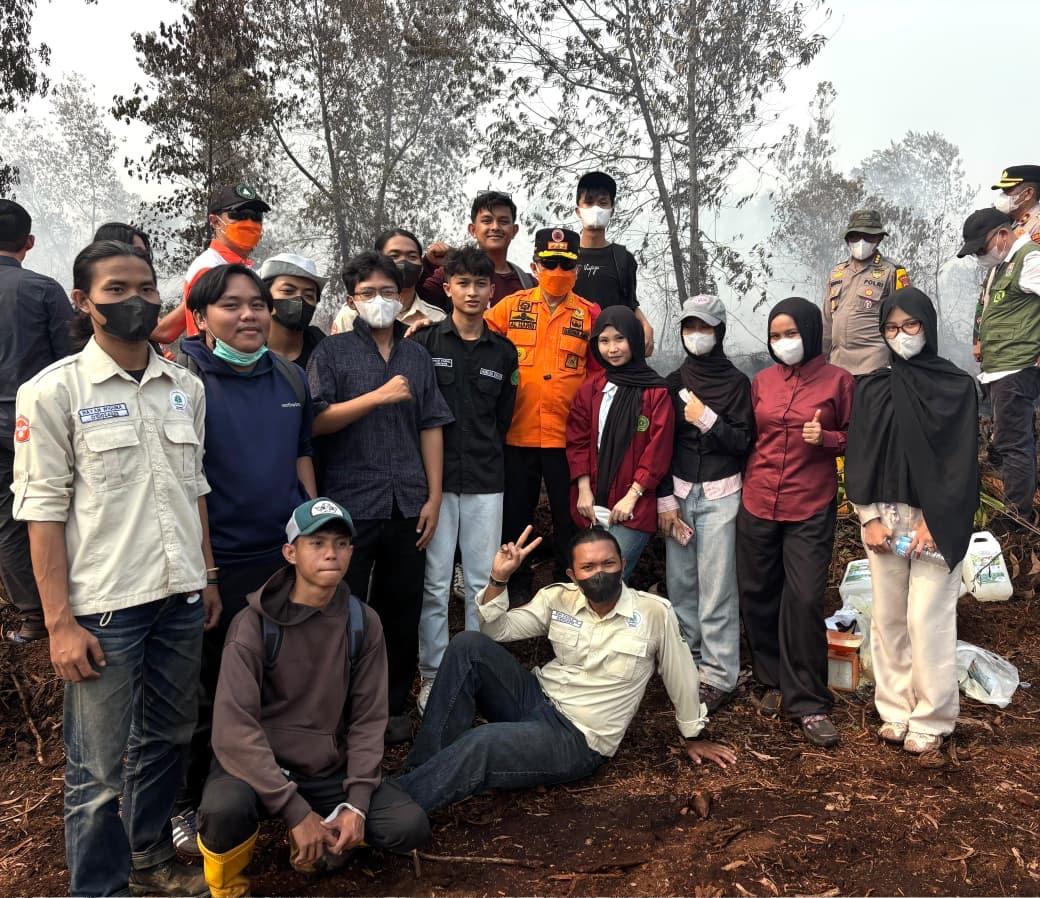
Karsidi emphasized the importance of preparedness across seasonal changes through coordination among government agencies, businesses, security personnel and communities.
Monitoring and field measures should continue to adapt to changing weather conditions to protect communities, water resources and ecosystems as the dominant risks shift from drought toward increased rainfall. (*)