Enviro News Asia, Jakarta — The Ministry of Environment and the Environmental Control Agency (KLH/BPLH) initiated a nationwide clean-up campaign as a concrete follow-up to President Prabowo Subianto’s directives delivered during the 2026 Briefing and National Coordination Meeting. The action, launched simultaneously across Indonesia, aims to revive a national culture of cleanliness as a core priority for state institutions.
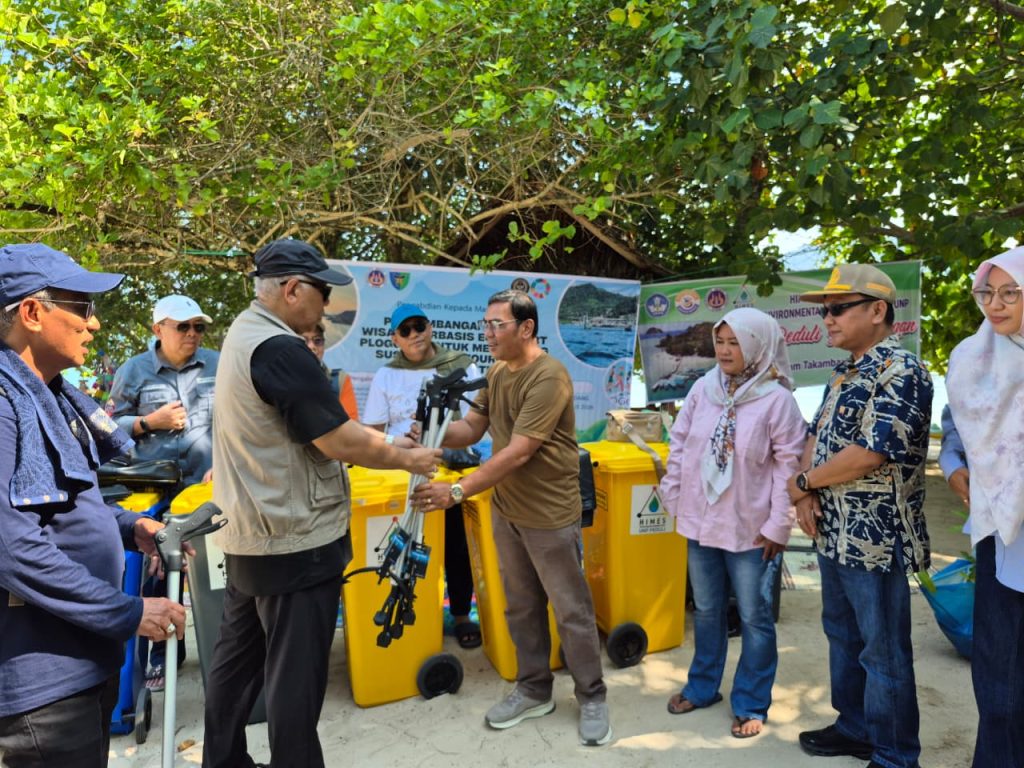
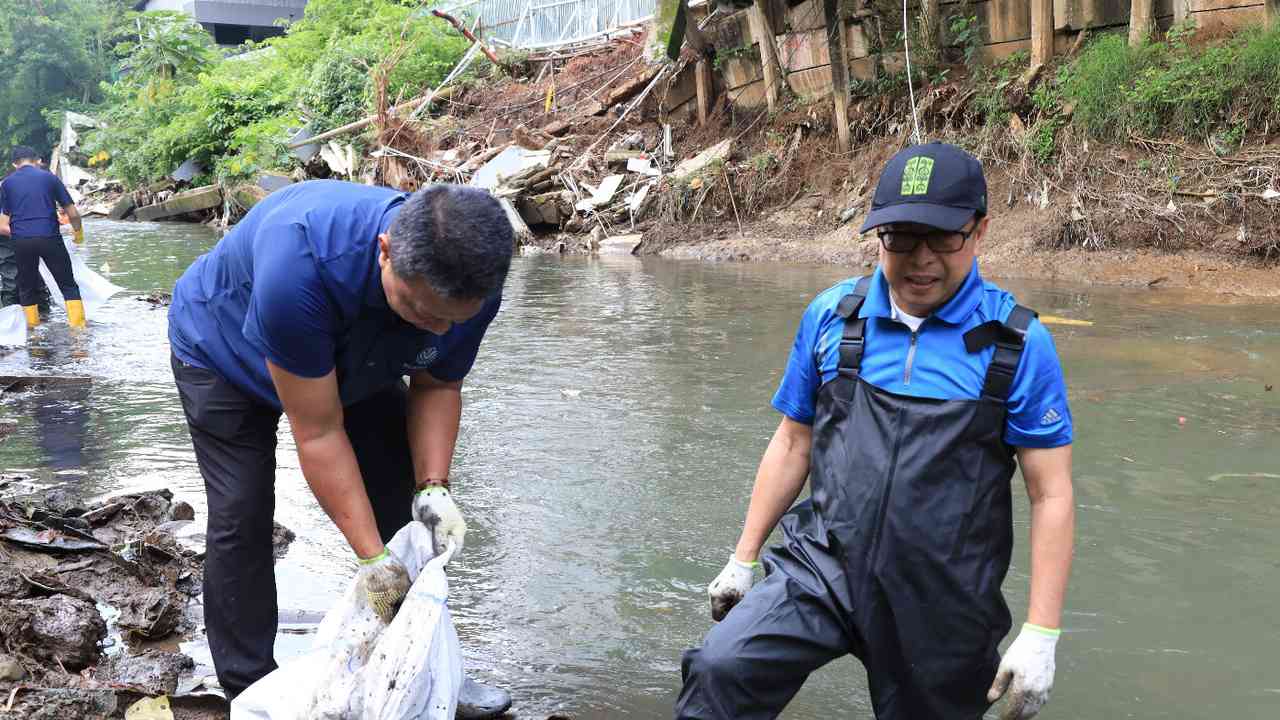
The initiative, officially titled the Clean Environment and Office Waste Movement, took place on 3 February 2026 and involved government offices and surrounding public areas. In Jakarta, senior officials and staff of KLH/BPLH carried out cleaning activities in the Kebon Nanas area and along the Cipinang River, focusing on the removal of plastic and inorganic waste from urban waterways and surrounding environments.
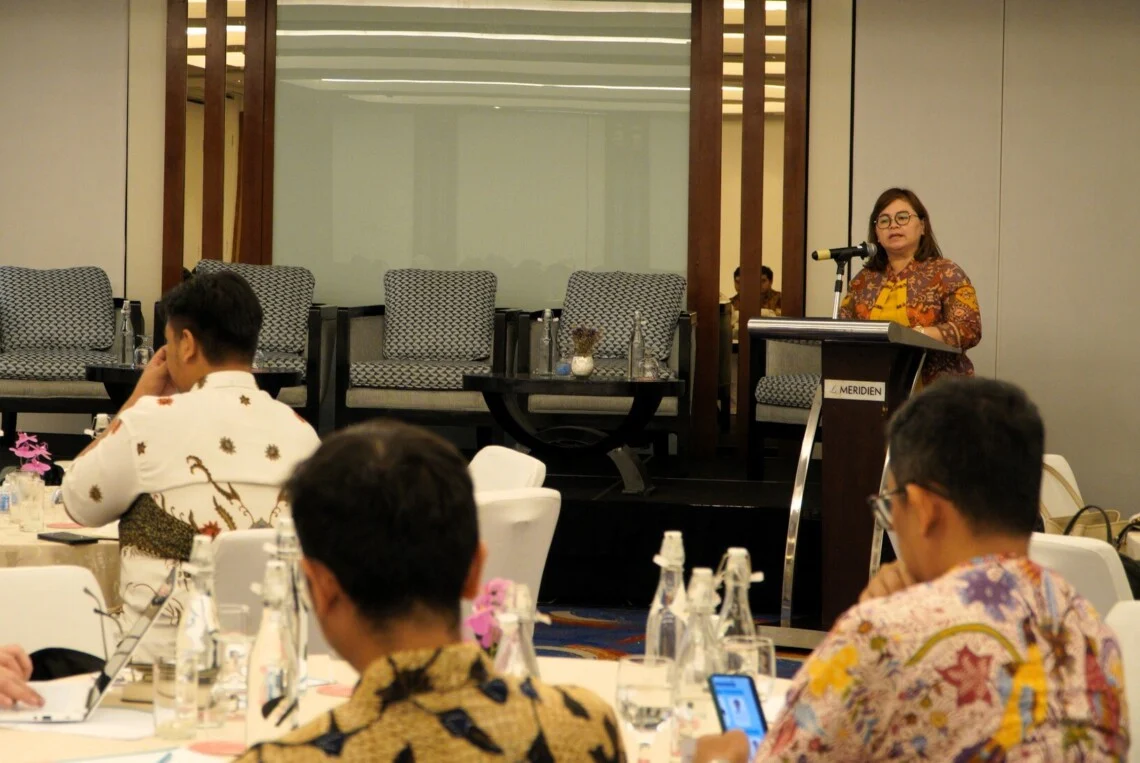
The program marks the reactivation of the National Cleanliness Program, which emphasizes routine environmental actions in office compounds, drainage systems, and river corridors. The Secretary of the Ministry of Environment and Secretary General of BPLH, Rosa Vivien Ratnawati, stated that the initiative translates presidential instructions into sustained and disciplined action across government institutions.
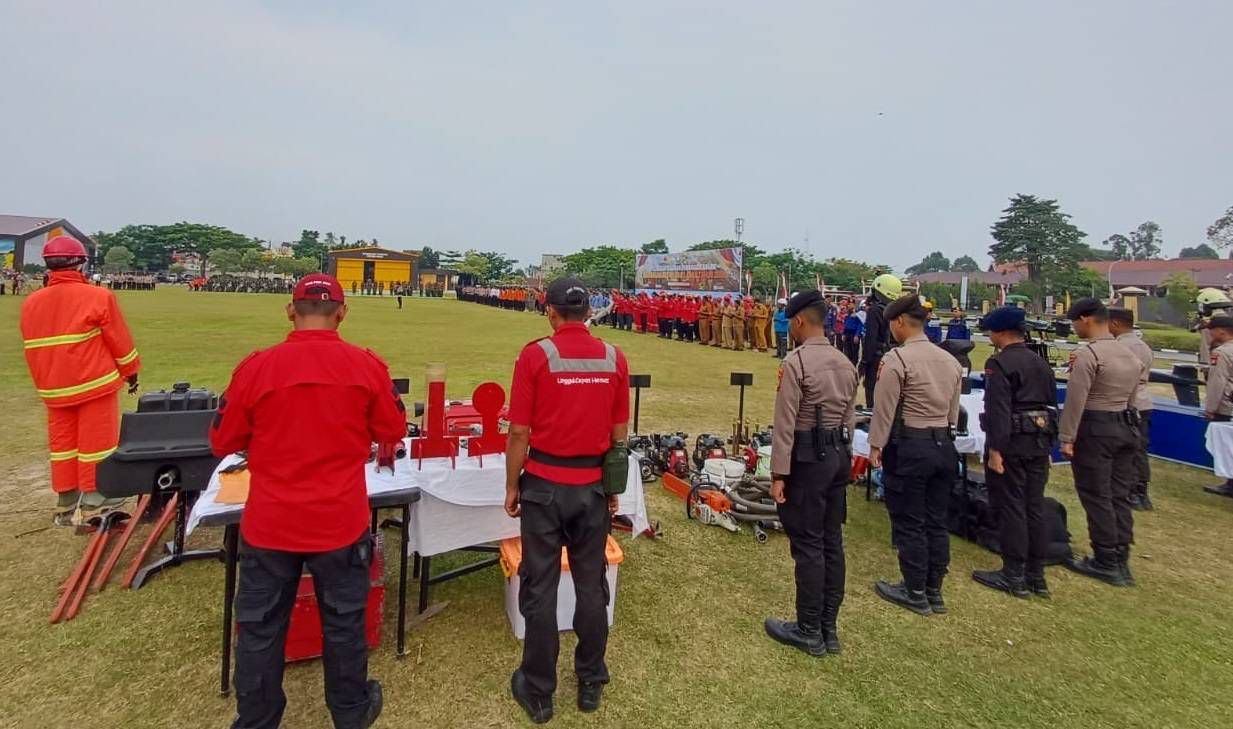
During the 2026 National Coordination Meeting, President Prabowo called for the mobilization of all state elements, including the Indonesian National Armed Forces, the National Police, provincial and local governments, and village administrations, to deploy human resources in maintaining environmental cleanliness on a regular basis.
“President Prabowo has demonstrated a strong commitment to waste reduction, particularly plastic waste. His direction is clear: cleanliness efforts must become a collective movement, conducted routinely, and initiated from the closest environments, including government offices,” Rosa Vivien said.
To institutionalize behavioral change, KLH/BPLH has designated the clean-up movement as a mandatory agenda to be carried out three times a week. The ministry aims to strengthen internal discipline while setting an example for the public that effective waste management must begin with leadership and daily practice. The Cipinang River was prioritized due to its role as a major accumulation point for single-use plastic waste in Jakarta.
Rosa Vivien emphasized that the program will be implemented beyond the capital city and expanded nationwide. She underlined that the success of the National Cleanliness Program depends on a shift in public mindset toward managing waste at its source through consistent waste segregation.
“Simple actions matter. Separating plastic and organic waste at home and in offices, if done consistently, can generate a significant positive impact on the environment,” she said.
Through the Clean Environment and Office Waste Movement, KLH/BPLH encourages communities, businesses, and government institutions to integrate cleanliness into everyday life. Strengthened collaboration among government bodies, the private sector, and the public is expected to play a decisive role in creating a cleaner, healthier, and more sustainable environment for future generations. (*)