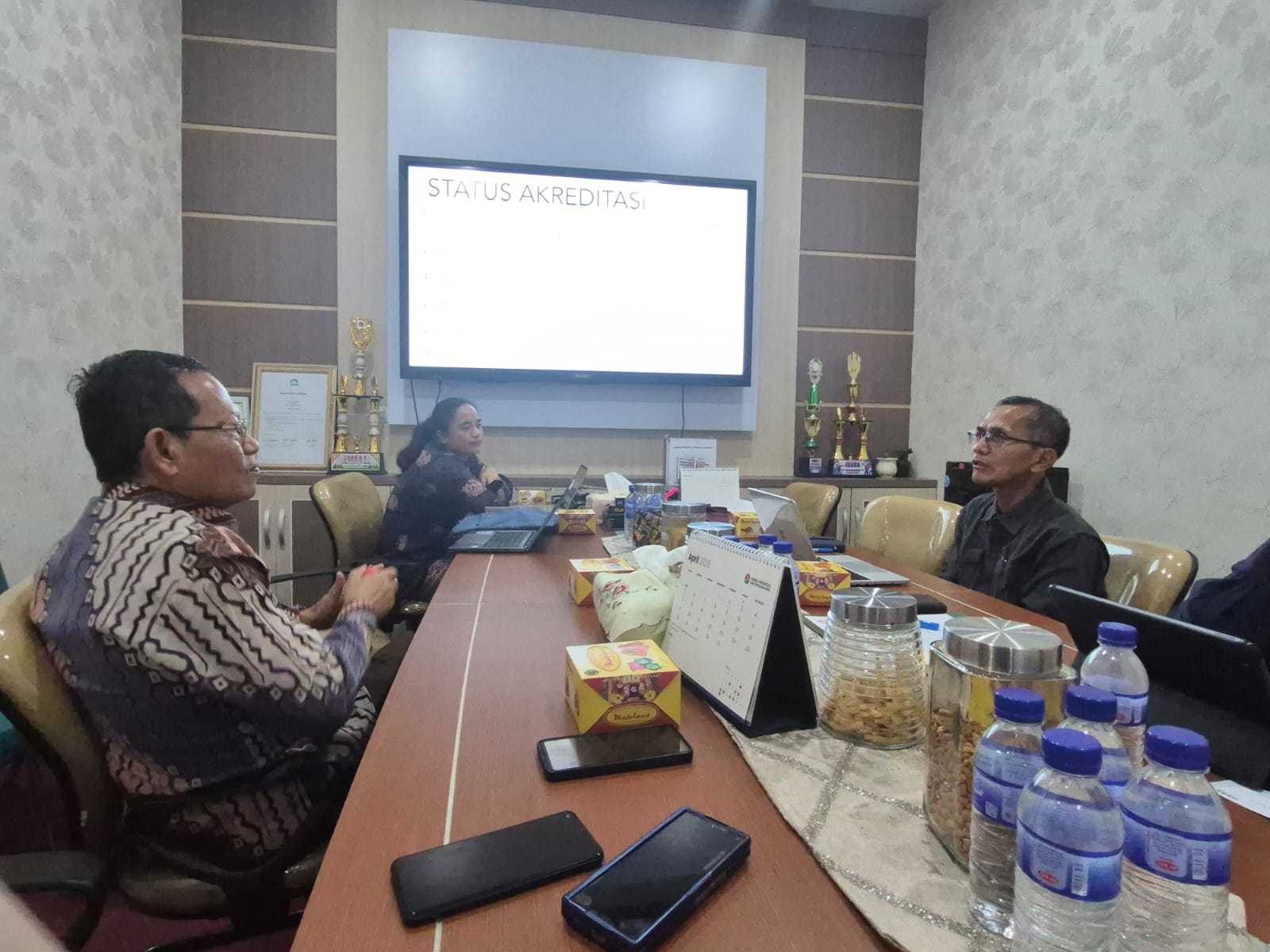
Enviro News Asia, Jambi — The Asosiasi Pengusaha Hutan Indonesia (APHI) is strengthening collaboration with universities to accelerate the implementation of sustainable forestry practices and enhance wildfire prevention efforts.
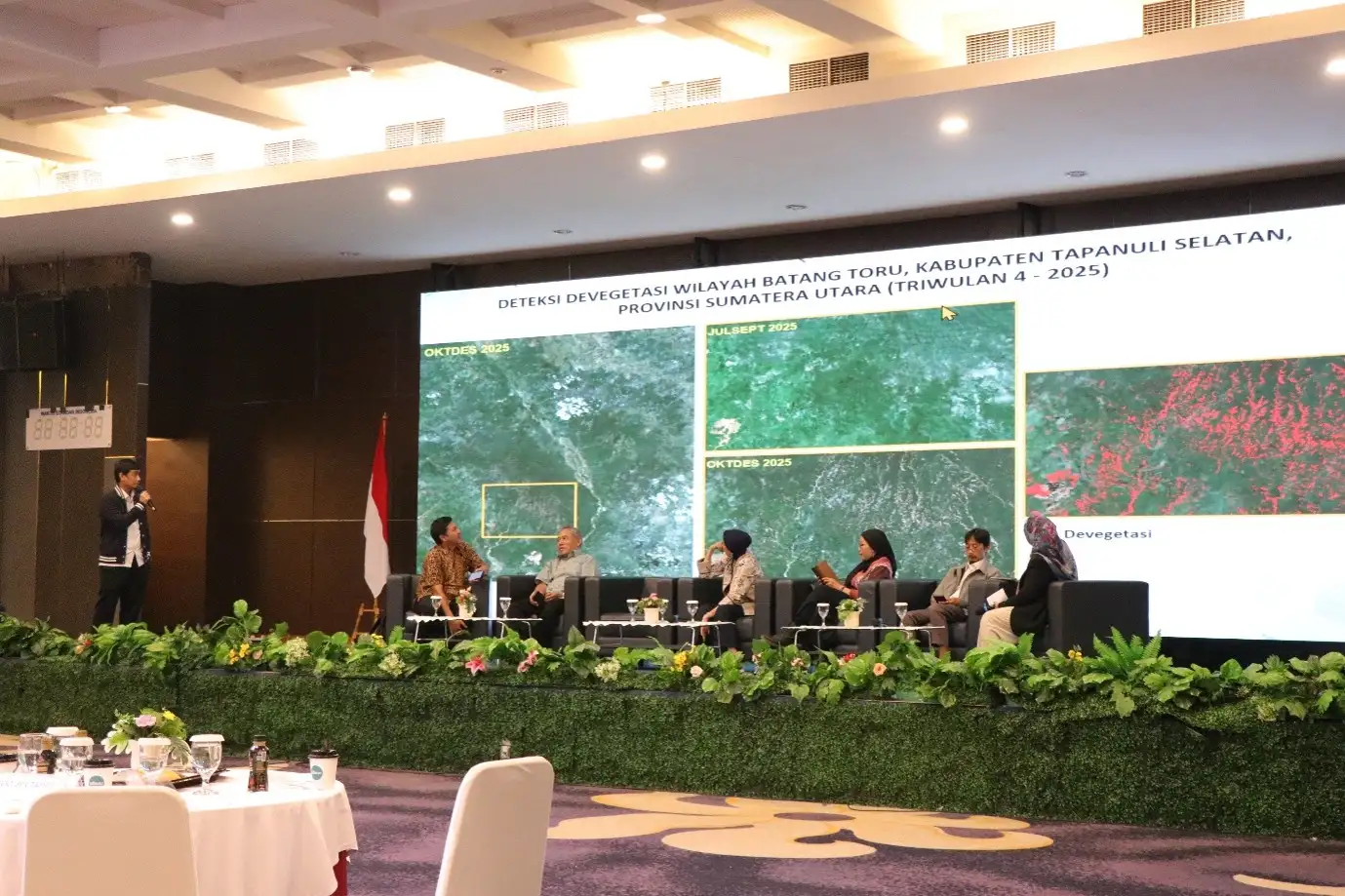
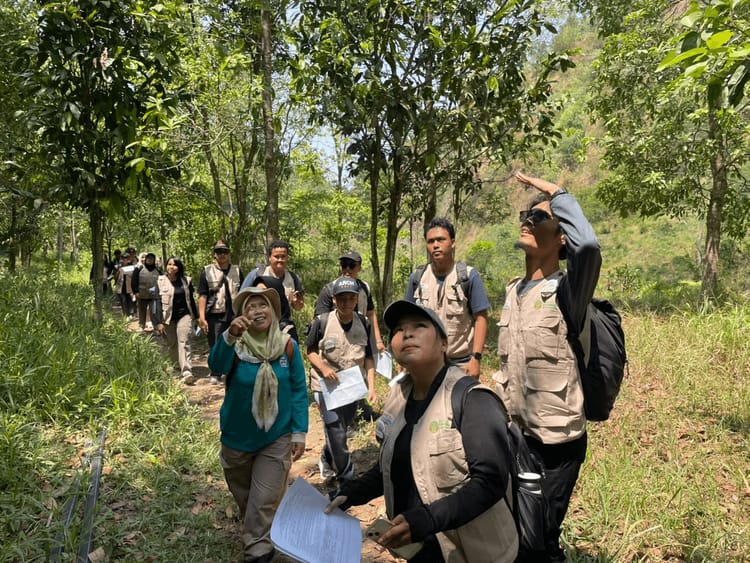
The initiative was highlighted during APHI’s working visit to Universitas Jambi, aimed at fostering strategic partnerships between the forestry industry and academia. The collaboration focuses on applied research, human resource development, and the implementation of landscape-based Multi-forestry Business (MUK).
APHI Chairman Soewarso emphasized the importance of academic involvement in strengthening scientific approaches to forest management.
“We encourage universities to actively contribute through research, technological innovation, and sustainable business models to support landscape-based MUK,” he said.
He also underlined the importance of long-term restructuring strategies to address oil palm plantations within forest areas, ensuring legal compliance, productivity, and environmental sustainability.
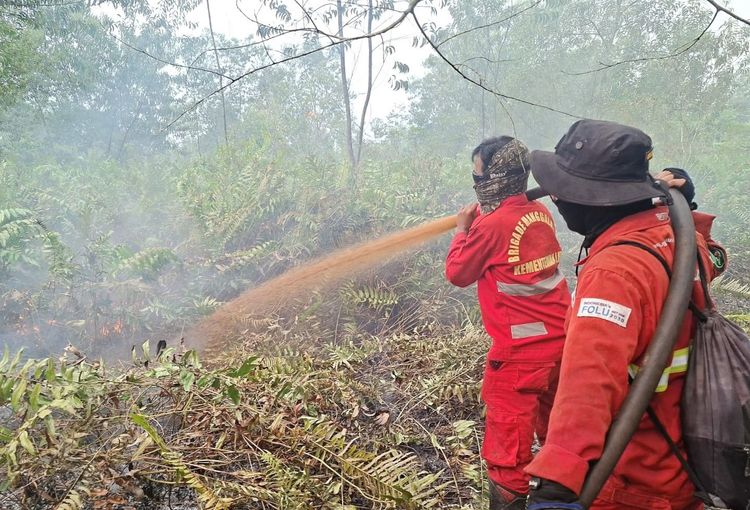
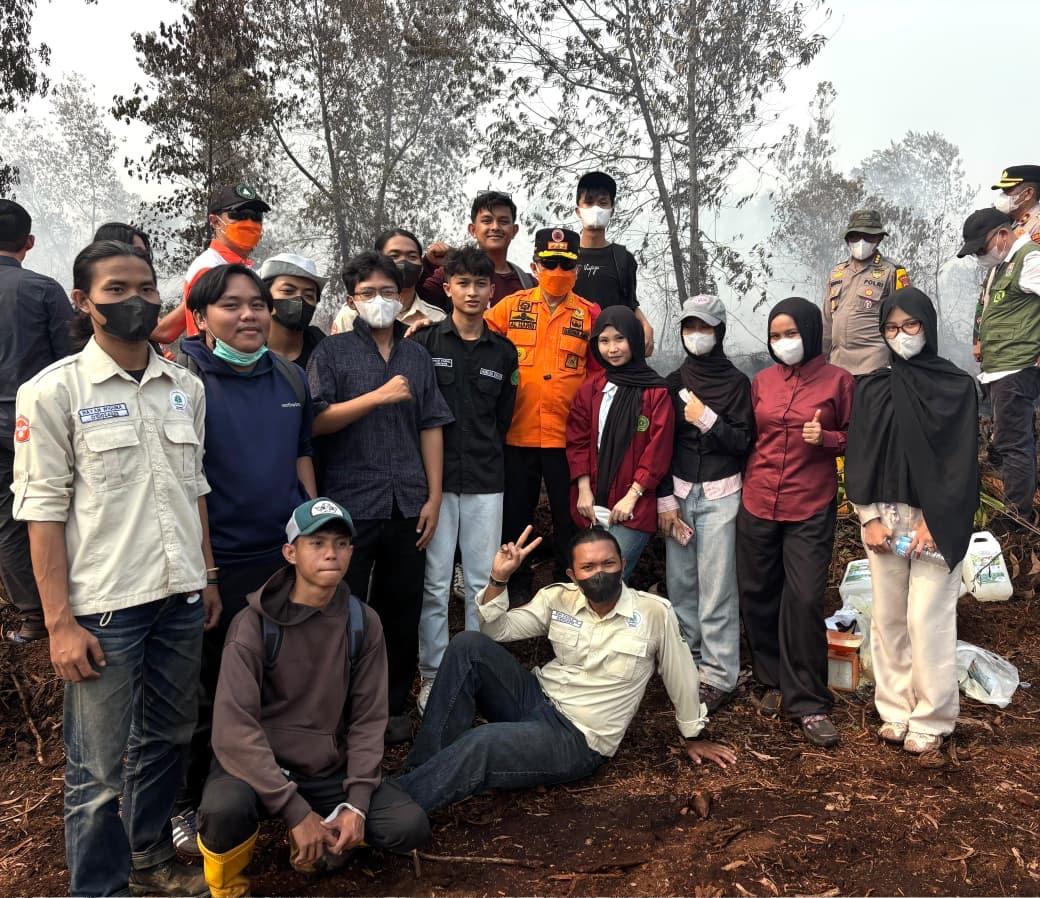
In terms of wildfire prevention, APHI reaffirmed its commitment to strengthening mitigation efforts through collaboration with government institutions, local communities, and academic stakeholders, particularly in fire-prone peatland areas.
Meanwhile, Dean of the Faculty of Agriculture at Universitas Jambi, Bambang Irawan, highlighted the need to integrate MUK with long-term forest management strategies.
He noted that a landscape-based approach is crucial in addressing declining agricultural land availability while maintaining ecological balance.
“Integrating forestry and agriculture within a landscape approach allows optimization of land use without compromising environmental sustainability,” he said.
The university is also strengthening its forestry education through industry collaboration, including partnerships with APP Group, to ensure graduates are industry-ready.
This collaboration is expected to enhance cross-sector coordination and support sustainable forest management while reducing wildfire risks in Indonesia. (*)