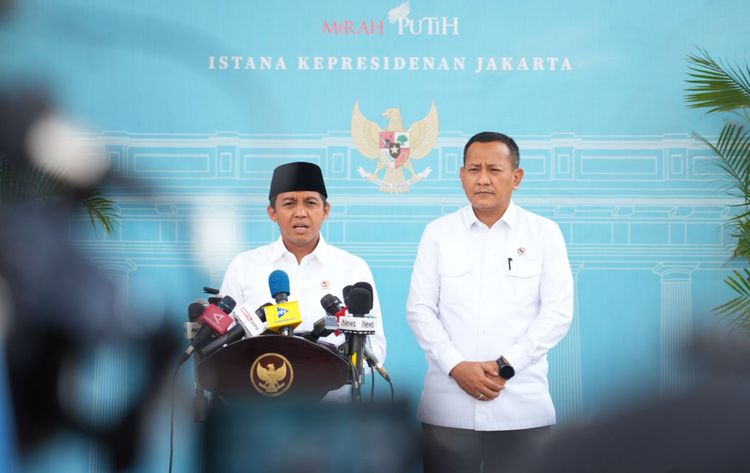



Enviro News Asia, Jakarta — Minister of Environment and Head of the Environmental Control Agency (KLH/BPLH), Moh Jumhur Hidayat, has urged businesses to prioritize environmental protection and reject short-term profit-driven practices that damage natural resources. He stressed that environmental responsibility is not a financial burden but a long-term investment that supports sustainable economic growth and creates green employment.
Speaking on environmental management, Minister Jumhur emphasized that companies exploiting natural resources must fulfill their environmental obligations, including reclaiming former mining sites, restoring ecosystems through tree planting, and ensuring the proper treatment of liquid and other industrial waste.
“For example, when a company extracts minerals and earns profits, it must reclaim the land after mining activities are completed. Companies must also plant trees and ensure that liquid waste and other forms of waste are managed properly. These activities require investment, but they also create green jobs,” Minister Jumhur said.
Speaking on environmental management, Minister Jumhur emphasized that companies exploiting natural resources must fulfill their environmental obligations, including reclaiming former mining sites, restoring ecosystems through tree planting, and ensuring the proper treatment of liquid and other industrial waste.
“For example, when a company extracts minerals and earns profits, it must reclaim the land after mining activities are completed. Companies must also plant trees and ensure that liquid waste and other forms of waste are managed properly. These activities require investment, but they also create green jobs,” Minister Jumhur said.
The Ministry of Environment and Environmental Control Agency believes that corporate commitment to environmental stewardship extends beyond regulatory compliance. It represents a strategic investment that strengthens business sustainability, enhances competitiveness, and contributes to Indonesia’s transition toward a greener and more sustainable future. (*)