Enviro News Asia, Dumai — The Ministry of Environment and Forestry Indonesia has emphasized the urgent need for early mitigation measures to address the rising risk of forest and land fires (karhutla) in 2026, as projections indicate a longer and drier dry season.
Minister of Environment and Head of the Environmental Control Agency, Hanif Faisol Nurofiq, warned that the combined impact of prolonged dry conditions and a weak-to-moderate El Niño could significantly increase fire risks, particularly in vulnerable regions such as Riau.
He noted that, according to the BMKG, the dry season is expected to last from April to October, creating an extended window of heightened fire susceptibility.
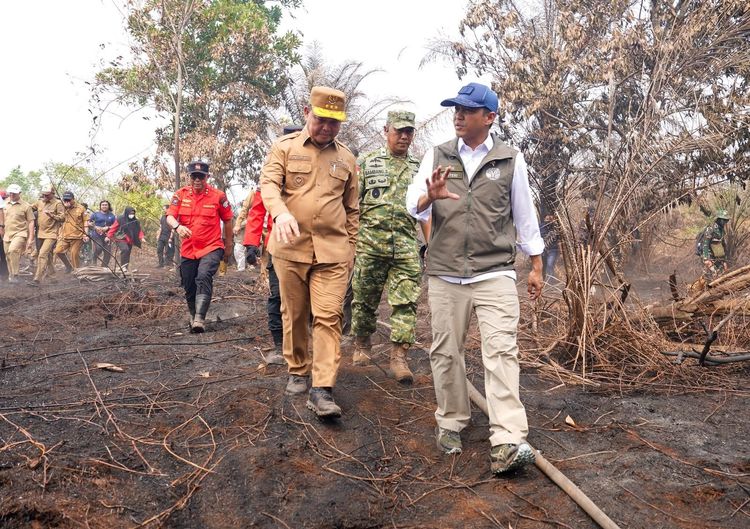
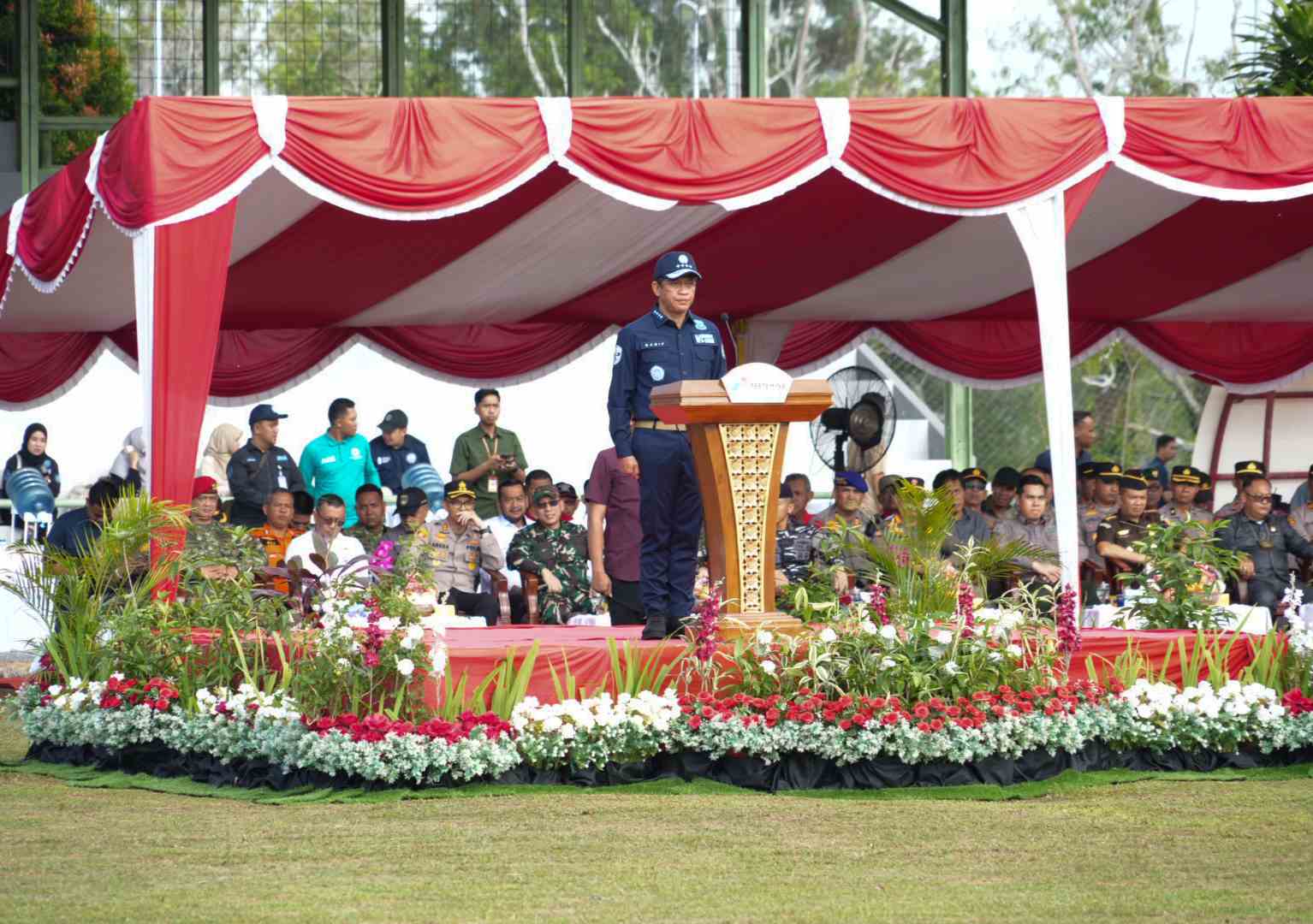
“Regions with extensive peatlands, declining groundwater levels, repeated fire history, and dense hotspot distribution must be prioritized. In these areas, delayed response is not an option,” Hanif stated during a preparedness briefing in Dumai.
The government has identified peatland ecosystems as particularly at risk due to their high flammability under dry conditions. As part of a national strategy, authorities are intensifying monitoring efforts and ensuring that all fire control units are fully prepared.
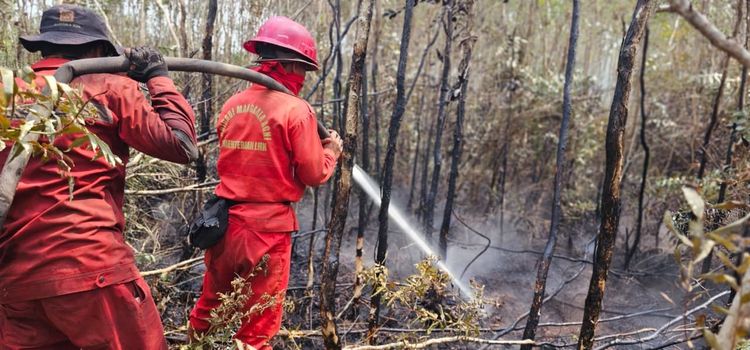
The ministry is also implementing measures aligned with Presidential Instruction No. 3/2020, focusing on early detection, rapid response, and cross-sector coordination. These efforts include increased patrols in high-risk zones, improved infrastructure readiness, and strengthened personnel deployment.
In addition, authorities are promoting peatland water management, including rewetting initiatives, and deploying integrated hotspot monitoring technologies to enhance real-time response capabilities.
Through sustained preparedness and coordinated action, the government aims to prevent a recurrence of large-scale haze disasters, protecting public health, the environment, and regional economic stability. (*)