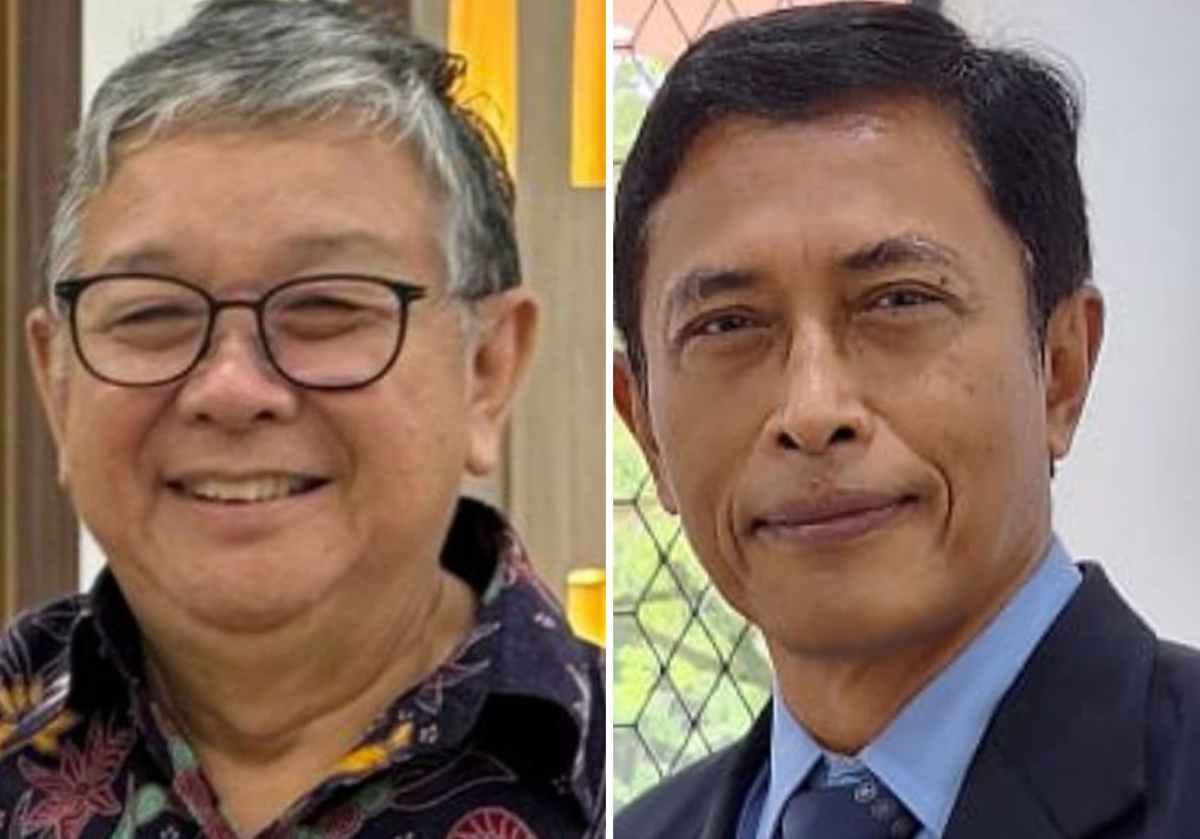


Enviro News Asia, Jakarta – The Ministry of Environment / Environmental Control Agency (KLH/BPLH) aims to accelerate the national waste reduction target. Minister of Environment / Head of BPLH, Hanif Faisol Nurofiq, conducted a direct visit to RW 05 Sunter Agung, North Jakarta, which is now a national pilot area for community-based waste management.
Through active community collaboration, appropriate technology, and social incentive programs, this area has successfully sorted 93.5% of its household waste—a milestone KLH/BPLH plans to replicate nationwide.
RW 05 Sunter Agung has recorded the active participation of 970 out of 1,037 households in domestic waste sorting. The management model here combines continuous environmental education, organic waste processing systems, the application of household and community-scale technologies, and social incentive schemes that encourage participation across all age groups.
“This initiative is not only focused on reducing the volume of waste sent to Final Disposal Sites (TPA) but also aims to simultaneously improve environmental quality and community welfare,” explained Minister Hanif in an official statement from the Ministry of Environment.
Several flagship programs have been implemented with tangible results in RW 05. For example, the Green House Sunter Muara demonstrates how limited land in dense urban areas can be transformed for integrated urban farming, organic composting, and catfish farming.
Vegetables and root crops such as cassava are planted along narrow alleys—like in Gang Dapoer Mak Demplon—while catfish ponds are made from reused barrels and jugs.
The community has also established the Sunter Muara Waste Bank (BSSM), which allows waste to be exchanged for essential needs, including:
Sedarah: Waste exchanged for healthcare services (free medical checkups and treatment).
Bang Jali: Waste exchanged for electricity tokens for energy-vulnerable residents.
Sembako: Waste exchanged for basic food vouchers.
ATM-Ku: A waste-saving system integrated with a savings book, similar to a banking system.
Additionally, the community utilizes Biopond Maggot Technology and a Central Maggot Facility. In this model, household kitchen waste is processed using black soldier fly larvae to produce high-quality animal feed. This system is used by 40 active households and is also managed collectively at the RW level.
The pilot location also features Domestic Organic Waste Drop Points (SOD): designated collection spots for organic waste across several RTs, independently managed before processing begins.
Simultaneously, environmental sanitation improvements have been implemented. KLH/BPLH supported the construction of communal septic tanks to halt the direct discharge of household waste into the Sentiong River, thereby enhancing local environmental quality.
The success in RW 05 is attributed to a consistent participatory approach. Environmental education is carried out through KUPILAH (Reduce, Sort, and Process Waste), promoted regularly by environmental volunteers.
The program involves housewives, youth, community leaders, and children in partnership with international organizations like Save the Children.
“We must work hard together to tackle this waste issue. I hope everything runs optimally, and particularly for North Jakarta, I expect waste sorting to be fully implemented by July,” stressed Minister Hanif.
KLH/BPLH notes that the impact of these innovations goes beyond reducing waste volume at TPAs. It also increases household income, strengthens family food security, and fosters a culture of clean and healthy living in urban areas.
This initiative also supports the national waste reduction target of 52.21% by 2025 and 100% waste management by 2029, as outlined in the National Policy and Strategy (Jakstranas) for Waste Management.
Moreover, waste management plays a key role in Indonesia’s contribution to carbon emission reduction and achieving net zero emissions.
“The waste management roadmap must be accelerated with greater intensity to meet these targets swiftly. I also hope for more active community-driven initiatives,” Minister Hanif added.
As a concrete form of government commitment, KLH/BPLH will promote the replication of the RW 05 model in other areas across the Jakarta Special Region and other districts/cities in Indonesia.
Technical support will be provided through regulations, training, equipment provision, and cross-sector collaboration. (*)