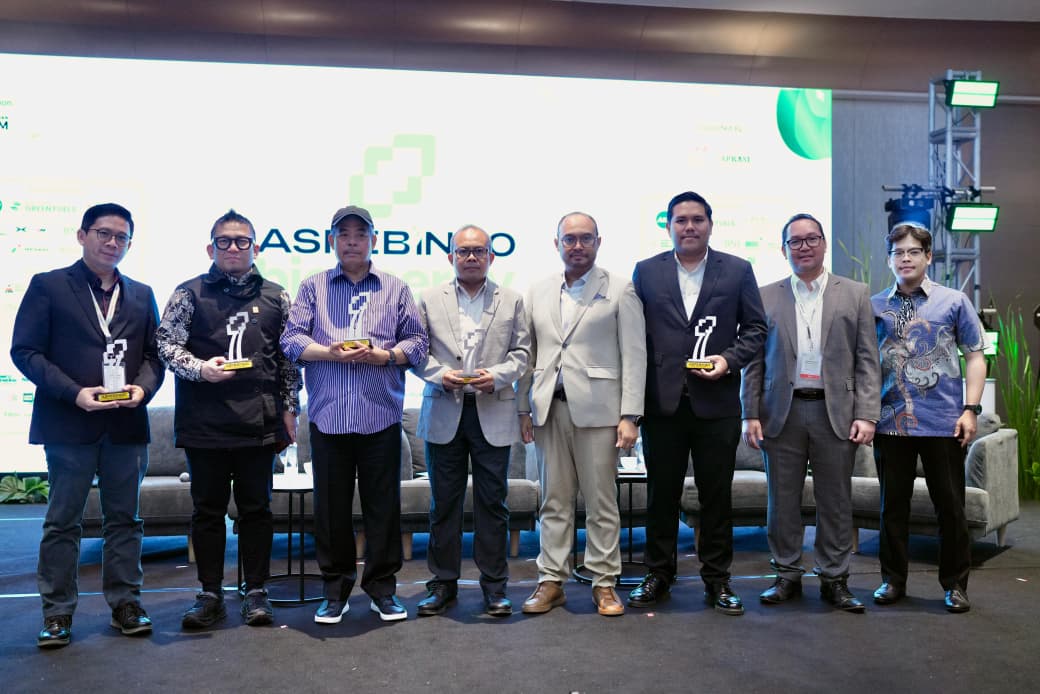
Enviro News Asia, Jakarta — PT PLN Energi Primer Indonesia (PLN EPI) is calling for stronger partnerships to develop a biomass-based green energy ecosystem by converting agricultural, plantation, forestry residues, and waste into higher-value energy resources.
The initiative was outlined by PLN EPI Biomass Director Hokkop Situngkir at the ASPEBINDO Bioenergy Business Summit 2026 in Jakarta on September 5, as the company seeks to strengthen the bioenergy supply chain, improve energy security, and accelerate Indonesia’s transition toward a low-carbon energy system.
Hokkop said Indonesia has abundant biomass resources distributed across regions and located close to PLN power generation facilities. This geographic advantage could support more efficient supply chains while creating new economic opportunities for local communities and businesses.
“Biomass resources are located close to PLN’s generation facilities. This potential must be developed into an ecosystem that creates added value not only for the energy sector but also for local communities and businesses,” Hokkop said.
PLN EPI estimates that Indonesia has approximately 83.4 million tons of biomass feedstock available annually. Sumatra accounts for the largest potential at around 42.8 million tons, followed by Kalimantan with 18.9 million tons and Java with 13.1 million tons.
The potential feedstock includes palm oil residues, wood waste, rice husks, sugarcane, corn, and municipal waste.
To optimize these resources, PLN EPI is mapping biomass sources based on their proximity to power plants and developing a standardized supply chain using a sub-hub, hub, and main hub model.
Sub-hubs serve as collection points for raw materials, while hubs function as facilities for production, storage, and quality control. Main hubs provide more integrated operations, including production, blending, storage, and quality control before biomass products are distributed to power plants and other users.
The strategy is aligned with PLN EPI’s development of hub facilities at strategic locations through 2027 to improve the quantity, quality, and sustainability of biomass supplies, including through partnerships with strategic stakeholders.
Hokkop said the development of the biomass supply chain also provides significant opportunities for local businesses.
PLN EPI currently works with nearly 200 supplier partners, around 80 percent of which are micro, small, and medium enterprises (MSMEs) connected to local communities and biomass sources across various regions.
“The circular economy is working. Around 2.5 million tons come on average from collaboration between MSME business partners and communities in villages,” Hokkop said.
Five Green Energy Business Lines
PLN EPI’s bioenergy development is not limited to supporting co-firing programs at coal-fired power plants. The company is developing a broader business portfolio covering five main areas: biomass, compressed biogas (CBG), waste management, bio-charcoal, and dedieselization.
Under its 2026-2030 roadmap, biomass utilization is targeted to increase from 3.7 million tons in 2026 to 10 million tons by 2030.
Over the same period, PLN EPI targets CBG development of 2,957 billion British thermal units (BBTU), waste management capacity of 251.4 kilotons, bio-charcoal production of 58.8 kilotons, and dedieselization capacity of 25 megawatts.
Across these business lines, PLN EPI expects to utilize up to 20 million tons of waste annually, reduce emissions by approximately 12 million tons of CO₂ equivalent per year, and create around 150,000 green jobs.
The company is also exploring biohydrogen production through gasification. The resulting hydrogen could be used for various industrial applications, including as a feedstock for ammonia production.
Hokkop said biomass resources could be developed according to the needs and locations of different industries.
“If we are close to the food industry, let’s do this. If we are close to the agricultural industry, let’s do this. If we are close to the timber industry, its waste can be managed into materials that replace fossil-based resources. Essentially, all biological resources can be utilized,” he said.
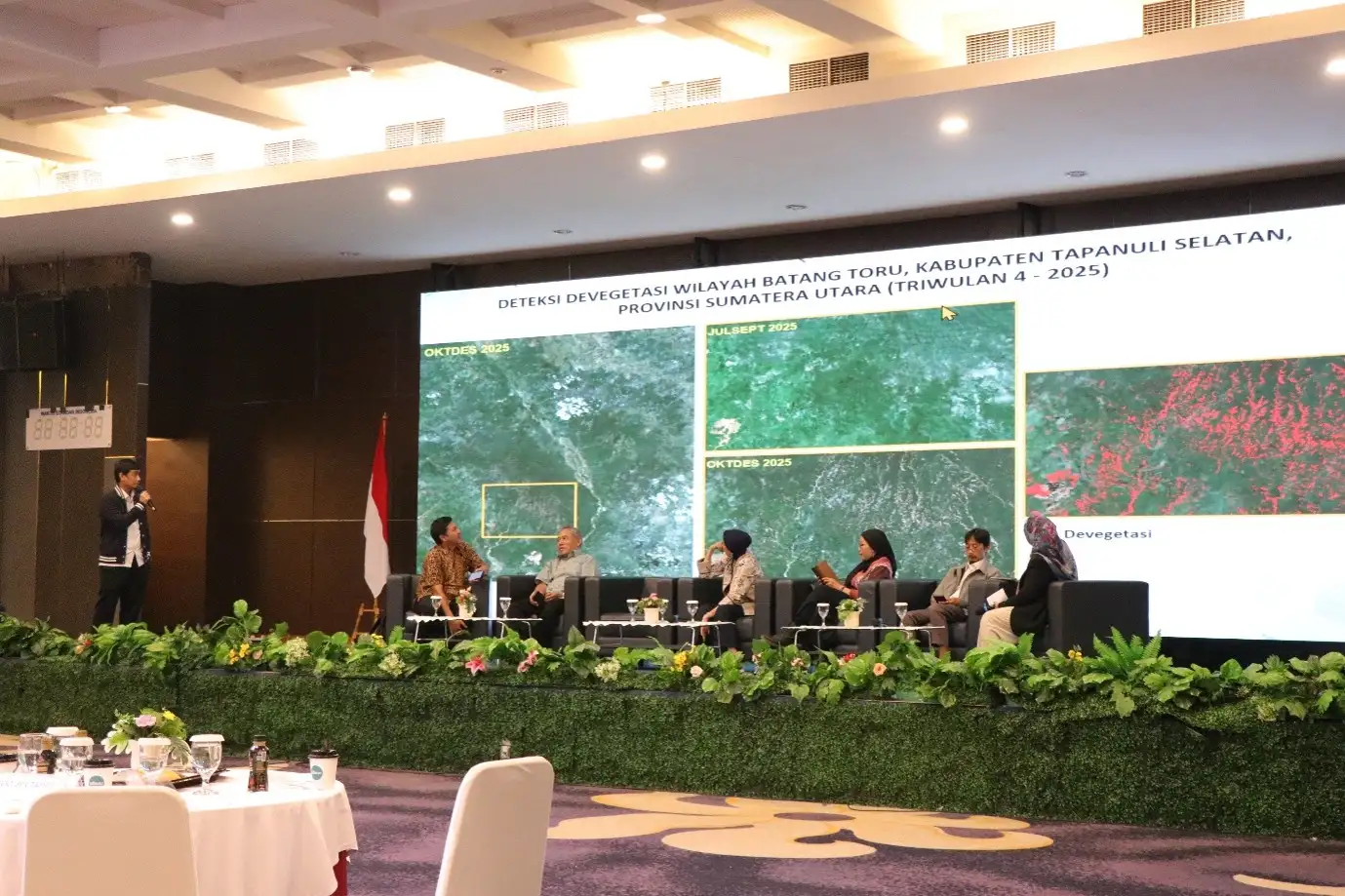
The summit also featured speakers from PT Sucofindo, the Lahat Regency Government, and the Indonesian Bioenergy Entrepreneurs Association (ASPEBINDO). Their participation highlighted the importance of cross-sector cooperation involving industries, local governments, business associations, and certification institutions in building Indonesia’s national bioenergy ecosystem. (*)