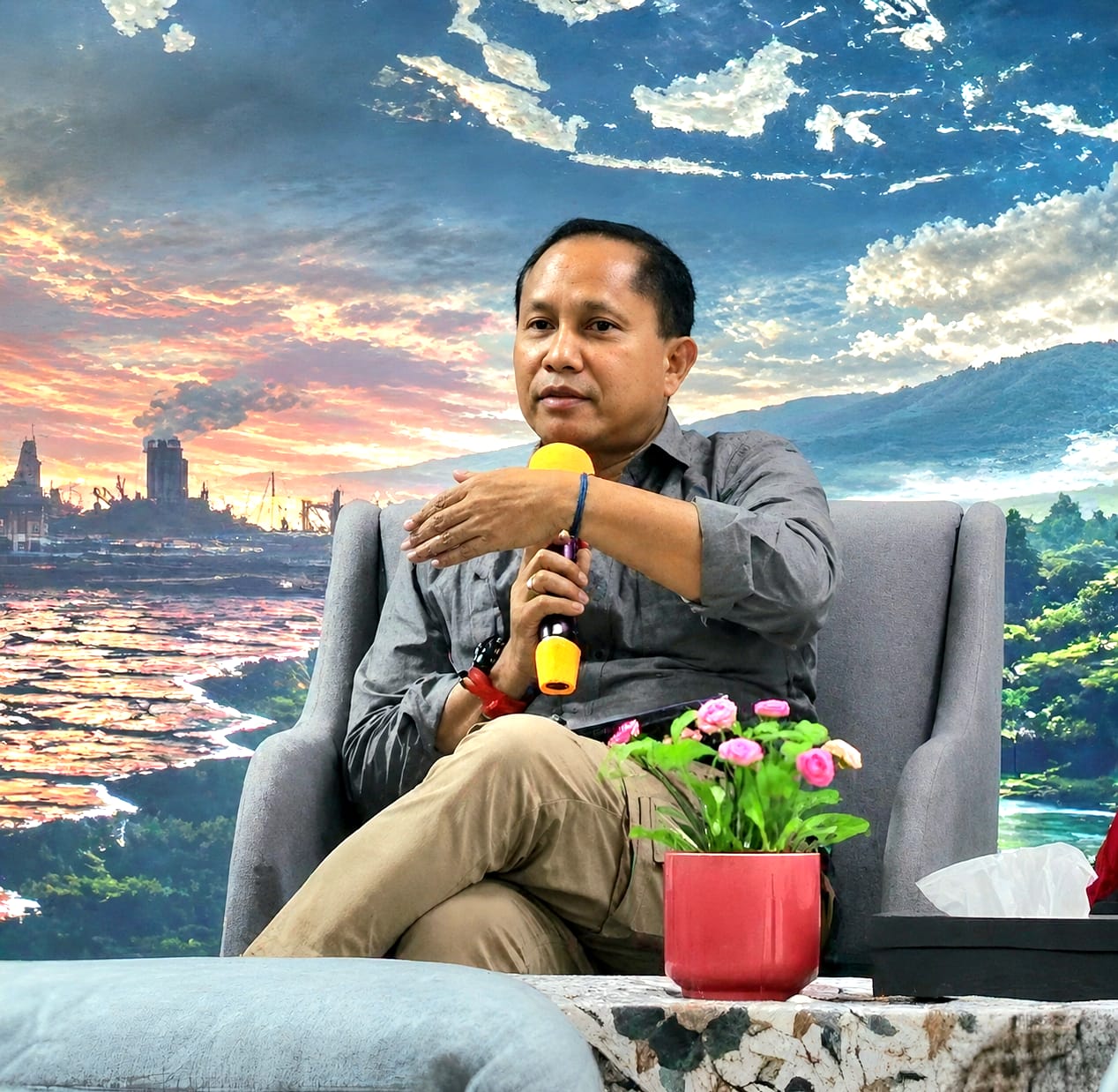


Enviro News Asia, Jakarta – Minister of Environment Hanif Faisol Nurofiq has urged provincial, district, and city governments across Indonesia to finalize their Waste Management Roadmap by the end of February. The Ministry of Environment will continue to monitor and provide assistance in completing the roadmap.
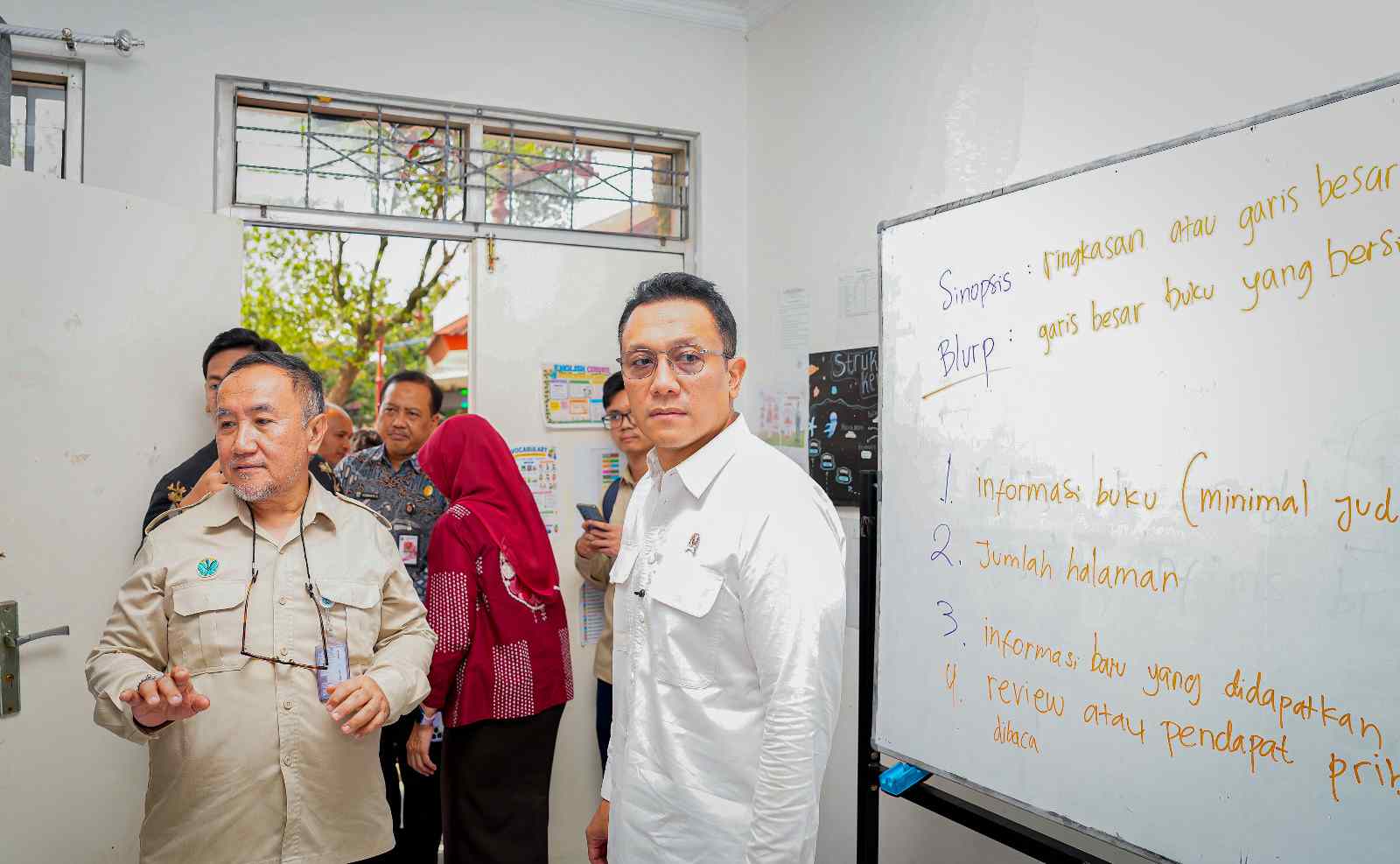
“Waste management has become both a global and local issue that must be addressed immediately,” said Minister Hanif Faisol Nurofiq after reviewing the implementation of Jakarta’s Waste Management Roadmap for 2025-2026. The event, attended by Jakarta’s Acting Governor Teguh Setyabudi, took place at the North Jakarta Mayor’s Office on Monday (February 17, 2025).
The Minister stated that the national waste management achievement in 2023 only reached 39.01 percent. According to data from the National Waste Management Information System (SIPSN), nearly 60 percent of waste is still processed conventionally at final disposal sites.
Hanif praised North Jakarta for completing and implementing its waste management roadmap. “Solving the waste problem must start with Jakarta, as it serves as the benchmark for waste management in Indonesia,” said Hanif. “North Jakarta carries a significant waste burden. That’s why we are seriously making it a pilot project for addressing waste management issues in the Jakarta region,” he added.
Jakarta’s Acting Governor Teguh Setyabudi stated that the city generates approximately 8,000 tons of waste per day, which needs to be properly managed. The daily waste accumulation adds pressure on the Bantargebang Integrated Waste Treatment Site (TPST), which currently holds around 55 million tons of waste.
The Jakarta Provincial Government reported that the waste management roadmap includes a comprehensive approach from upstream to downstream. Upstream efforts involve increasing public participation in waste sorting, strengthening the role of waste banks, and promoting a circular economy.
In the midstream phase, the focus is on optimizing Temporary Waste Storage (TPS) and TPS 3R (Reduce, Reuse, Recycle) facilities with more biodegradable waste processing technologies, as well as improving waste transportation efficiency. Meanwhile, in the downstream phase, the action plan includes enhancing waste processing capacity through the construction of a Refuse-Derived Fuel (RDF) Plant and expanding cooperation with the private sector for more sustainable waste management.
“The goal is for these initiatives to inspire, strengthen synergies, and increase the participation of various community elements in managing waste in Jakarta more effectively, in an integrated manner, and in a more environmentally friendly way,” said Teguh.